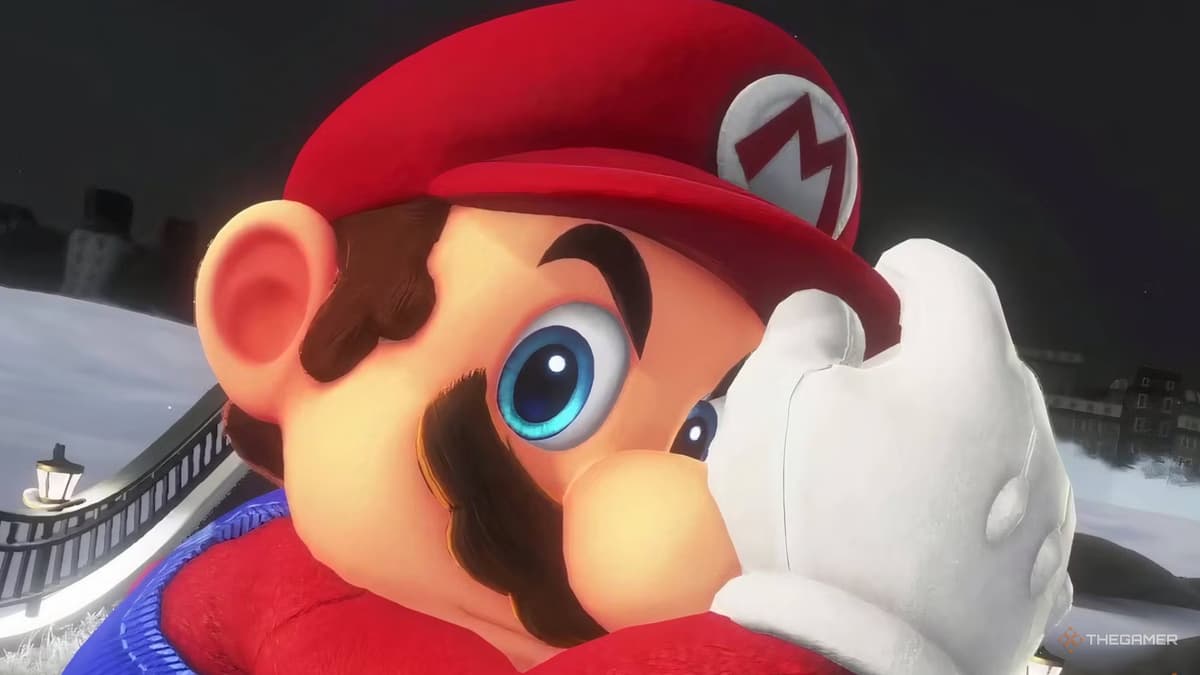
An early announcement could damage Nintendo’s brand credibility and depress sales, echoing the Metroid Prime 4 fallout. Delaying the reveal helps preserve consumer excitement and aligns with Nintendo’s disciplined product‑launch strategy.
The Super Mario franchise remains Nintendo’s flagship, driving console adoption and merchandise revenue. Yet the 3,000‑day lull since Odyssey has sparked intense speculation among fans and analysts, especially as the company prepares a next‑generation Switch. While the 3D Mario team’s focus on Donkey Kong Bananza suggests resources are diverted, the market pressure to fill the gap is palpable, making timing a critical factor for any future announcement.
Nintendo’s internal caution stems from hard‑learned lessons with Metroid Prime 4, a title that lingered in development limbo for nearly a decade before a tepid launch. The prolonged hype cycle eroded consumer trust and resulted in disappointing sales, a scenario the company cannot afford with a brand as universally beloved as Mario. Marketing veterans Kit Ellis and Krysta Yang argue that premature reveals invite scrutiny, force schedule shifts, and risk fan backlash, all of which can dilute the impact of a marquee launch.
Looking ahead, Nintendo appears poised to synchronize a 3D Mario reveal with the rollout of the Switch 2, leveraging the franchise’s pull to boost hardware adoption. By withholding details until the game is near completion, Nintendo can generate a focused burst of excitement, avoid the pitfalls of over‑promising, and protect its reputation for polished, surprise‑free launches. This disciplined approach may set a new standard for how legacy publishers manage flagship IP announcements in an era of instant news cycles.
“A Dangerous Game”: Nintendo Warned Of The Risk Of Revealing A New Mario Game Too Early

By Sam Woods
Published Feb 18, 2026, 9:30 AM EST
Sam Woods is The Gamer’s Senior Reporter. He’s been in games journalism since 2020 and has undertaken a variety of roles in that time, including SEO Editor, Managing Editor at DualShockers, and Global Head of Gaming. He was promoted to Senior Reporter in 2025 after a series of high‑quality reports and exclusives for The Gamer. Since 2020, Sam has written over 2,500 articles and specializes in telling the stories of the people behind the games.
It’s been over 3,000 days since the release of the last 3D Super Mario title, Super Mario Odyssey (if you exclude re‑releases and 3D World + Bowser’s Fury), and it certainly seems like we’re not too close to another one, either. Given this is the longest we’ve gone without a 3D Mario game, there’s palpable disappointment.
Last year’s Donkey Kong Bananza was confirmed to have been developed by Nintendo’s 3D Mario team—the very same team that created Odyssey—suggesting that the team has been otherwise occupied, and minimal work has been done on any potential Switch 2 Mario game.
Given the development hell Metroid Prime 4 faced and the subsequent wait players endured, Nintendo has been warned against revealing the next 3D Super Mario title too early, with its former marketing leads calling it “a dangerous game.”

In a new YouTube video (via GamesRadar), Nintendo’s former director of marketing Kit Ellis and former manager of creator relations Krysta Yang suggest that announcing a new 3D Mario game too early could spell disaster for Nintendo.
“This is a dangerous game for them [Nintendo] to play,” says Yang. “We’ve seen the really bad things that can happen.”
“Nintendo has firsthand seen the detrimental things that can happen. Think about Metroid Prime 4, think about Tears of the Kingdom.”
“You open yourself up to a lot of scenarios where changes can happen, and will. And now you’re going to have to either walk back something you’ve said or confuse people about something that’s happened.” – Krysta Yang
“The game would get announced, people would be happy, and then a year later they’re like, ‘well, I’m mad again, where’s the game?’” – Kit Ellis
The Metroid Prime example is key in this situation. The game was first revealed in 2017 before development was restarted in 2019, and its developer changed to Retro Studios. A further six years passed before Prime 4 would see the light of day, releasing in December 2025—almost nine years between announcement and release.
In turn, Metroid Prime 4’s sales struggled. In its second week in Japan it sold a paltry 3,000 copies, and by the end of the year it was being outsold by the Nintendo Switch 2 Welcome Tour.
Of course, Samus doesn’t quite have the pull that Mario does, but Nintendo should—and likely will—be cautious of making the same mistake again.
Comments
Want to join the conversation?
Loading comments...