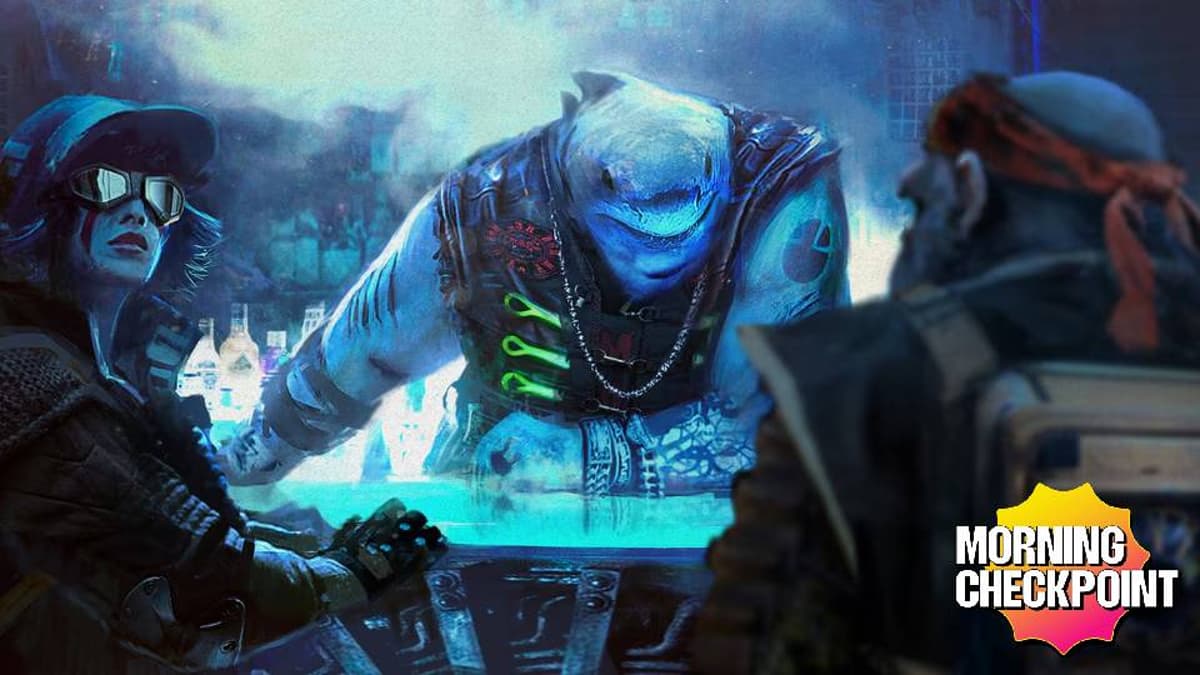
Beyond Good And Evil 2 Studio Evacuates 500 Over Apparent Bomb Threat Hoax
•February 20, 2026
0
Companies Mentioned
Why It Matters
The false alarm underscores growing security challenges for game developers and could delay high‑profile projects, affecting revenue forecasts and investor confidence.
Key Takeaways
- •500 Ubisoft Montpellier staff evacuated
- •Threat confirmed hoax; no explosives found
- •Team working on Beyond Good and Evil 2
- •Incident highlights gaming industry security concerns
- •Occurs amid staff cuts and RTO policy
Pulse Analysis
Security threats, even hoaxes, have become a new variable in the video‑game industry’s risk calculus. While bomb scares are rare, recent incidents at major studios have prompted tighter coordination with local law enforcement and more rigorous emergency protocols. For Ubisoft, the swift evacuation of its Montpellier campus demonstrated a commitment to employee safety, but the disruption also exposed how quickly operational momentum can be stalled when a single email triggers a full‑scale response.
Beyond Good and Evil 2 and the upcoming Rayman title are flagship projects that already face tight development timelines. The Montpellier team’s temporary displacement adds pressure to an already strained workforce dealing with layoffs and a controversial return‑to‑office policy. Morale issues, amplified by public scrutiny and online harassment, can erode productivity, making it essential for publishers to balance security measures with transparent communication to retain talent and keep projects on schedule.
From an investor perspective, any interruption—real or perceived—can ripple through earnings forecasts and stock performance. Analysts now factor security incident risk into valuation models, especially for studios handling high‑budget, multi‑year titles. Ubisoft’s rapid clearance and resumption of work mitigate immediate financial fallout, yet the episode serves as a cautionary tale: robust contingency planning and proactive employee engagement are critical to safeguarding both human capital and the bottom line in an industry where creative pipelines are increasingly vulnerable to external shocks.
Beyond Good And Evil 2 Studio Evacuates 500 Over Apparent Bomb Threat Hoax
0
Comments
Want to join the conversation?
Loading comments...