Fans Miss These Little Things From the 3DS Tomodachi Life in Living the Dream
Companies Mentioned
Why It Matters
The removal of core social features could weaken player retention and affect Nintendo’s reputation in the life‑simulation niche, while the added customization may attract a different, creativity‑focused audience.
Key Takeaways
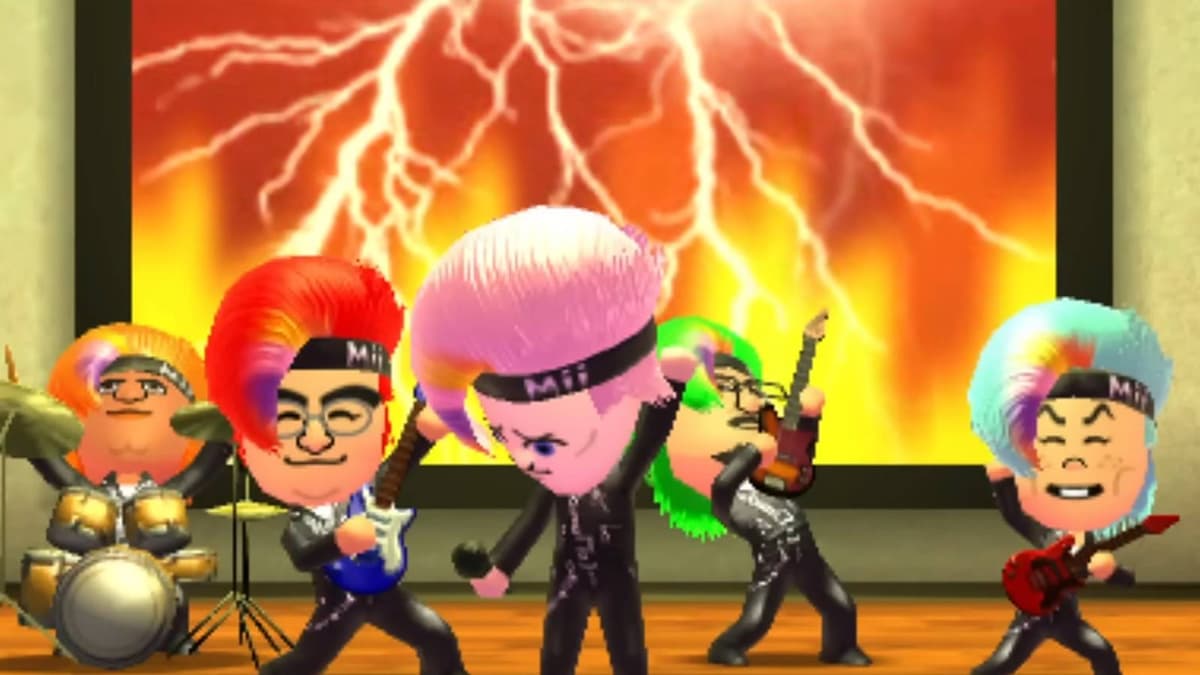
- •Concert Hall omitted; Lingo system offers limited lyric replacement.
- •Confession sites reduced from six to four, proposals from four to one.
- •Expanded wardrobe and island building trade off classic mini‑games.
- •Fans worry missing features may dampen long‑term engagement.
- •Future patches could reintroduce Concert Hall, boosting replay value.
Pulse Analysis
Tomodachi Life became a cultural touchstone on the 3DS, blending Mii customization with unpredictable social drama. Its simple yet addictive mechanics—romance interventions, island rankings, and the whimsical Concert Hall—earned it a spot among the platform’s best‑selling titles. When Nintendo announced Tomodachi Life: Living the Dream, expectations were high: a modernized sequel that would preserve the original’s quirky appeal while leveraging today’s hardware for richer world‑building. The game delivers on visual polish and a robust wardrobe system, letting players craft detailed avatars and elaborate island layouts that rival other sandbox experiences.
However, the sequel’s decision to drop the Concert Hall—a feature that let players rewrite song lyrics and watch Miis perform in stylized choreography—has drawn sharp criticism. Replaced by the modest Lingo system, the new approach strips away a memorable, shareable moment that fueled countless online memes and community content. Likewise, the reduction of romance venues—from six confession locations and four proposal spots to just four and one—diminishes the dramatic variety that kept interactions fresh. These cuts risk alienating the core fanbase that valued spontaneous, humor‑driven scenarios over pure customization.
From an industry perspective, Nintendo’s gamble reflects a broader shift toward user‑generated content as a primary hook, echoing trends seen in titles like Animal Crossing and The Sims. While the expanded creative tools may attract newcomers seeking sandbox freedom, the loss of legacy features could limit long‑term engagement and word‑of‑mouth promotion. If Nintendo follows its pattern of post‑launch support, future updates might restore the Concert Hall and enrich romance mechanics, balancing creative depth with nostalgic charm. Until then, Living the Dream stands as a solid but polarizing entry, illustrating the delicate trade‑off between innovation and preserving what made the original a cult favorite.
Fans Miss These Little Things from the 3DS Tomodachi Life in Living the Dream
Comments
Want to join the conversation?
Loading comments...