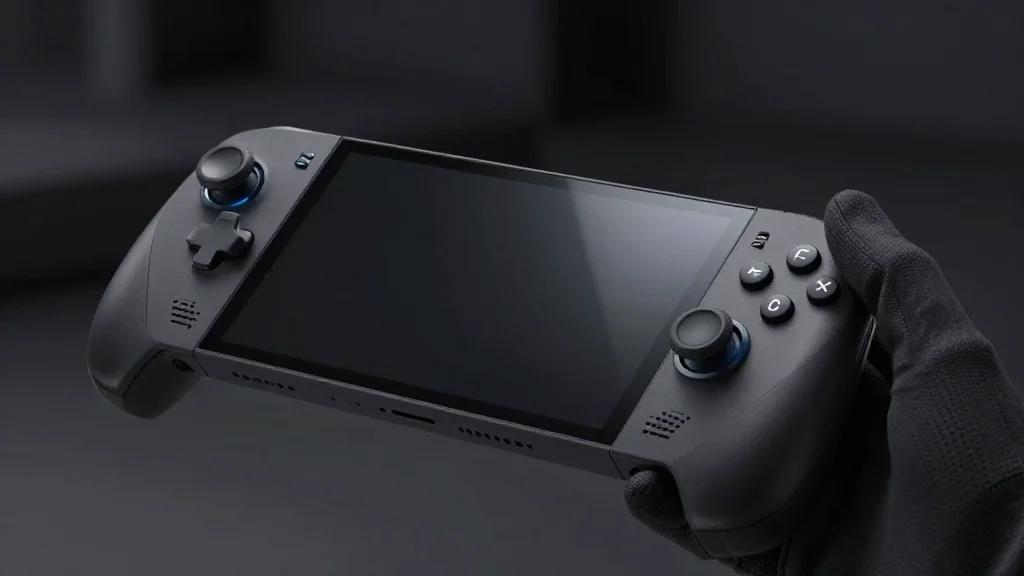
Handheld Gaming Surge Boosts 2026 Market as Portable Consoles Gain Momentum

Companies Mentioned

Why It Matters
The handheld resurgence reshapes the economics of the gaming industry. By delivering high‑quality experiences without the need for a living‑room TV, portable consoles expand the addressable audience, driving hardware sales, accessory ecosystems and subscription revenue. For Microsoft, the shift forces a re‑evaluation of Game Pass pricing to retain value perception, while Sony’s delayed next‑gen launch could erode its console dominance if competitors capture the mobile‑first segment. Ultimately, the trend signals a broader consumer desire for flexible, on‑the‑go entertainment, influencing development priorities and platform strategies across the sector. Additionally, the revival dovetails with broader cultural moves toward less screen‑bound lifestyles, as highlighted by retro‑tech enthusiasm and a growing preference for devices that blend nostalgia with modern performance. This convergence of technology and lifestyle may accelerate investment in battery efficiency, AI‑driven upscaling and cloud‑gaming integration, setting new standards for future handhelds.
Key Takeaways
- •Portable consoles like Switch, Steam Deck, ROG Ally and Legion Go are driving double‑digit market growth in 2026.
- •Xbox chief Asha Sharma flagged Game Pass pricing as "too expensive" and promised more flexible subscription tiers.
- •Sony may delay PlayStation 6 launch to 2028‑29 due to RAM shortages, with a possible handheld variant still unconfirmed.
- •Analysts cite improved hardware, high‑refresh displays and cloud integration as core drivers of the handheld renaissance.
- •Betting markets show only a 25% chance of a PS6 announcement before 2027, reflecting investor uncertainty.
Pulse Analysis
The handheld upswing is more than a fleeting fad; it marks a structural shift in how gamers allocate discretionary spend. Historically, handhelds filled a niche between mobile phones and home consoles, but today they are competing head‑to‑head with both. The convergence of powerful mobile SoCs, 120 Hz‑plus OLED panels and sophisticated AI upscaling (e.g., DLSS‑style technologies) erodes the performance gap that once justified a stationary TV setup. Companies that can bundle premium titles with robust cloud sync—like Nintendo’s hybrid model or Valve’s Steam ecosystem—stand to capture not just sales but long‑term engagement.
Microsoft’s response illustrates the strategic ripple effect. By acknowledging that Game Pass pricing is a friction point, Sharma is positioning the subscription service as a flexible, value‑driven platform that can complement handheld hardware. If Xbox can successfully tier its offerings, it may lock in users who otherwise would gravitate toward a portable console’s all‑in‑one experience. Conversely, Sony’s cautious delay underscores the risk of over‑engineering a next‑gen console amid volatile component markets. While extending the PS5 lifecycle cushions short‑term revenue, the lack of a compelling handheld could cede market share to rivals that are already delivering high‑performance portable experiences.
Looking forward, the next wave of handhelds will likely blur the line between console and PC even further. Expect tighter integration with subscription services, more aggressive use of AI‑driven frame generation, and perhaps a resurgence of dockable designs that let manufacturers claim both living‑room and on‑the‑go relevance. The companies that anticipate these demands—and align pricing, content and hardware accordingly—will define the portable gaming frontier for the remainder of the decade.
Handheld Gaming Surge Boosts 2026 Market as Portable Consoles Gain Momentum
Comments
Want to join the conversation?
Loading comments...