Companies Mentioned
Why It Matters
The Tesserae Tree adds a passive income mechanic that deepens end‑game content and incentivizes completionist play, boosting long‑term player engagement. Its unlock process also drives exploration and utilization of the game’s extensive collection system.
Key Takeaways
- •Complete all 18 Flora Wing sets to unlock tree
- •Museum donations grant same‑day Renown points
- •Tree yields 100 Tesserae every three days
- •Provides modest income, not top‑tier profit
- •Greenhouse preserves seasonal crops year‑round
Pulse Analysis
The latest Fourth Major Update (0.15.0) for Fields of Mistria adds a suite of quality‑of‑life tools, but its headline feature is the Tesserae Tree—a magical plant that literally grows currency. Unlike typical crops, the tree is a permanent indoor potted item that produces 100 Tesserae every three days, offering a steady, low‑maintenance cash flow. Its visual sparkle also doubles as décor, reinforcing the game’s blend of farming and fantasy aesthetics. By positioning the tree as a reward rather than a grind, the update reshapes the late‑game economy.
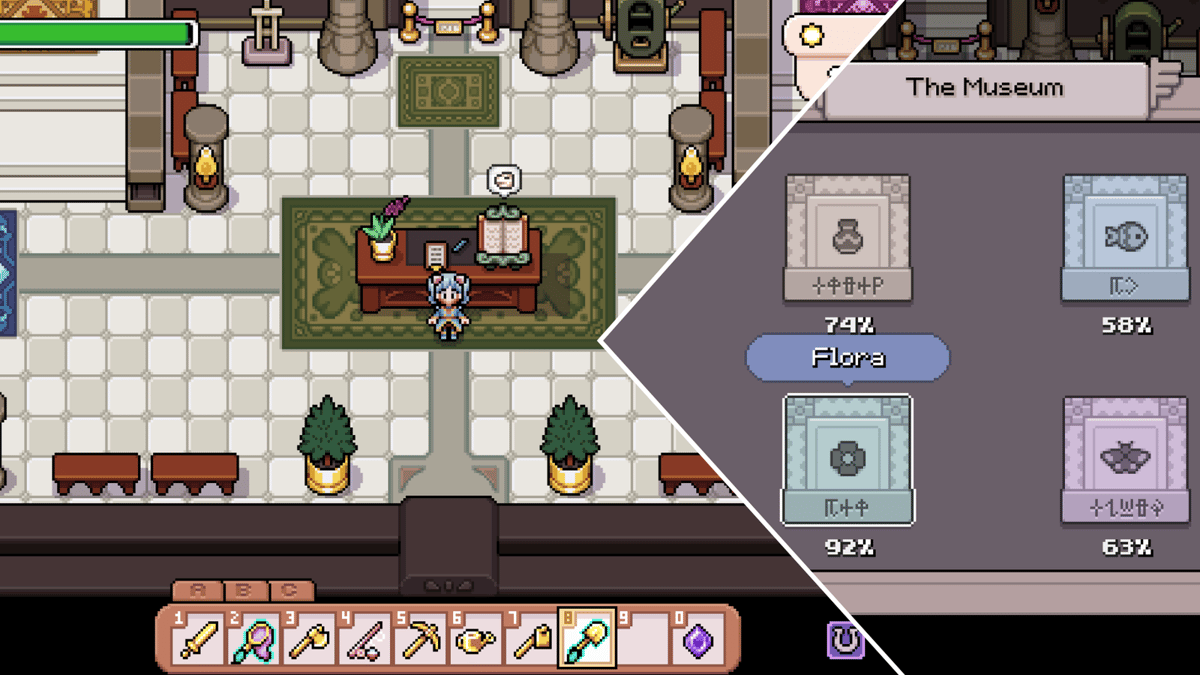
Unlocking the tree is deliberately arduous: players must fill every set in the Flora Wing of the Museum, a total of 18 distinct collections spanning all seasons and biomes. Each set requires either farming, foraging, or purchasing from Balor’s Wagon, encouraging thorough exploration of the Narrows region and its varied environments. The Museum, managed by NPC Errol, converts donated artifacts into Renown points on the same day, creating a feedback loop that rewards diligent cataloguing. This design deepens the game’s collection mechanic while providing a clear, content‑rich path to the coveted tree.
From a monetization perspective, the Tesserae Tree sits between high‑yield crops and passive income sources, delivering modest but reliable earnings without demanding daily micromanagement. Players who prioritize efficiency can pair the tree with greenhouse‑grown seasonal crops, maximizing overall profit while the tree supplies a safety net of free Tesserae. This hybrid approach mirrors trends in other farming simulators, where diversified revenue streams improve player retention and reduce grind fatigue. Ultimately, the tree’s introduction signals Fields of Mistria’s shift toward rewarding completionist playstyles and long‑term farm management.
How to Get a Tesserae Tree in Fields of Mistria
0
Comments
Want to join the conversation?
Loading comments...