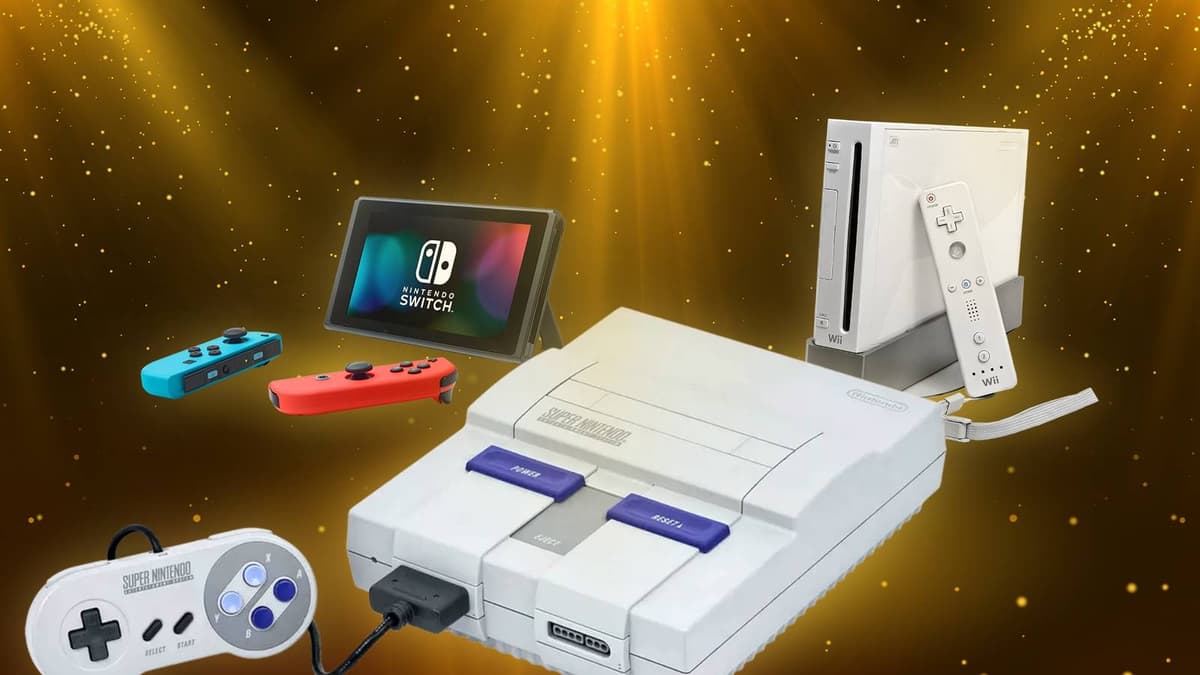
I Own All 8 Nintendo Consoles, and Here Is My Official Ranking
Companies Mentioned
Why It Matters
The hierarchy highlights that modern gamers prioritize accessible libraries and future‑proof hardware, influencing purchasing decisions and guiding Nintendo’s roadmap for legacy support.
Key Takeaways
- •Switch 2 leads with 17.4 M units sold, surpassing older consoles.
- •Switch 2 plays almost entire Switch 1 library plus new exclusives.
- •Wii U deemed obsolete after exclusives ported and services shut.
- •GameCube gains value via Game Boy Player and upcoming ports.
- •Wii remains popular with 101.6 M units and motion controls.
Pulse Analysis
Nintendo’s console lineage has evolved from the 1980s NES to the hybrid Switch 2, but the way collectors and new buyers assess value has shifted dramatically. Rather than focusing on launch‑year hype, this ranking emphasizes the breadth and accessibility of each system’s game library in 2026. By measuring "bang for your buck" through available titles, backward compatibility, and ongoing online services, the list reflects a pragmatic consumer mindset that favors long‑term playability over nostalgic prestige.
Sales data reinforce the library‑centric view. The Switch 2, with roughly 17.4 million units sold since its 2025 debut, already eclipses the Wii U’s 13.5 million and rivals the original Switch’s 155 million‑ish cumulative reach thanks to its ability to run virtually the entire Switch 1 catalog while adding fresh exclusives like *Donkey Kong Bananza*. Meanwhile, the Wii U’s library has been largely absorbed by newer platforms, and the shutdown of its Virtual Console erodes any remaining unique appeal. The original Switch still commands a massive install base of over 100 million units, bolstered by motion‑control classics and a robust online ecosystem, but its relevance is now anchored to the Switch 2’s backward compatibility.
For consumers, the ranking signals that future console purchases should prioritize ecosystems that promise ongoing software support and cross‑generation play. Nintendo’s strategy of layering new hardware atop existing libraries—evident in the GameCube’s Game Boy Player accessory and the Wii’s GameCube compatibility—reduces obsolescence risk and maximizes the return on each console’s lifespan. As the industry watches Nintendo’s hybrid model succeed, other manufacturers may adopt similar backward‑compatible, library‑first approaches to retain relevance in an increasingly subscription‑driven gaming market.
I Own All 8 Nintendo Consoles, and Here is My Official Ranking
Comments
Want to join the conversation?
Loading comments...