I've Been Playing Nintendo's Weirdest Switch 2 Gameever –and I'm Not Sure I Get It, to Be Honest
Companies Mentioned
Why It Matters
The release signals Nintendo’s commitment to diversify the Switch 2’s library with eccentric, low‑pressure experiences that can attract casual and simulation‑savvy gamers, reinforcing the console’s broad market appeal.
Key Takeaways
- •Tomodachi Life returns, offering a quirky life‑sim for Switch 2.
- •Supports up to 70 customizable Miis with dynamic social interactions.
- •Humor stems from random dialogues and evolving island relationships.
- •Lacks active objectives, feeling aimless compared to Pokopia.
- •Appeals to Animal Crossing fans and Nintendo’s experimental audience.
Pulse Analysis
Nintendo’s decision to resurrect Tomodachi Life on the Switch 2 underscores its strategy of blending nostalgia with fresh hardware capabilities. The original series, known for its eccentric charm, was dormant for years, and its revival taps into a segment of gamers who appreciate off‑beat, low‑stakes titles. By launching on the newly released console, Nintendo not only fills a niche in its game catalog but also demonstrates confidence that the Switch 2’s audience is ready for experimental experiences that deviate from mainstream action‑oriented releases.
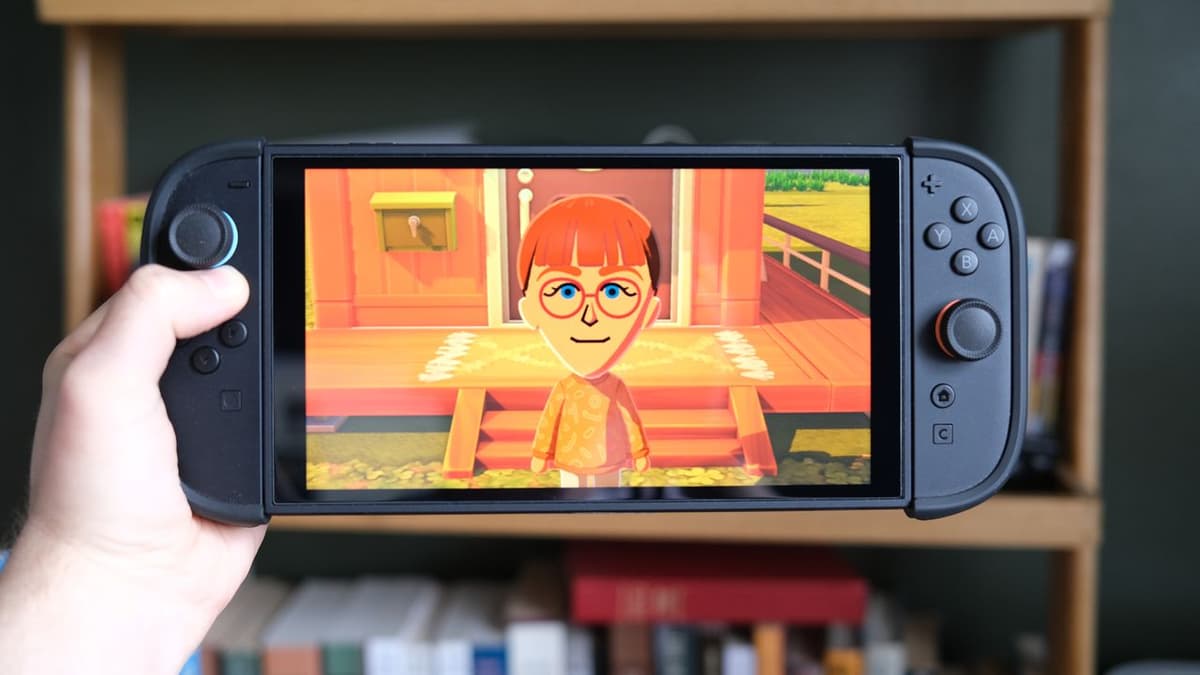
At its core, Tomodachi Life: Living the Dream is a sandbox life‑simulation that lets players design up to 70 Miis, assign them jobs, hobbies, and wardrobes, and watch as they form unpredictable social cliques. The humor emerges from the AI‑driven conversations, quirky facial expressions, and the occasional absurd scenario—elements that have become hallmarks of Nintendo’s personality‑driven design philosophy. Compared with recent titles like Pokopia, which offers a clear quest line and active world‑building, Tomodachi Life leans into open‑ended play, requiring players to set their own goals. This design choice resonates with fans of Animal Crossing and other casual sims, though it may leave players seeking more direction feeling adrift.
From a market perspective, the game reinforces Nintendo’s commitment to a diversified portfolio that balances blockbuster franchises with niche, experimental offerings. Such titles can extend the console’s lifespan by attracting casual gamers, families, and those looking for short, repeatable sessions. Moreover, the modest development scope of a life‑sim aligns with cost‑effective production, allowing Nintendo to test innovative concepts without the risk associated with high‑budget AAA releases. As the Switch 2 continues to establish its foothold, titles like Tomodachi Life could become cult favorites, driving community engagement and showcasing Nintendo’s willingness to nurture unconventional creativity.
I've been playing Nintendo's weirdest Switch 2 gameever –and I'm not sure I get it, to be honest
Comments
Want to join the conversation?
Loading comments...