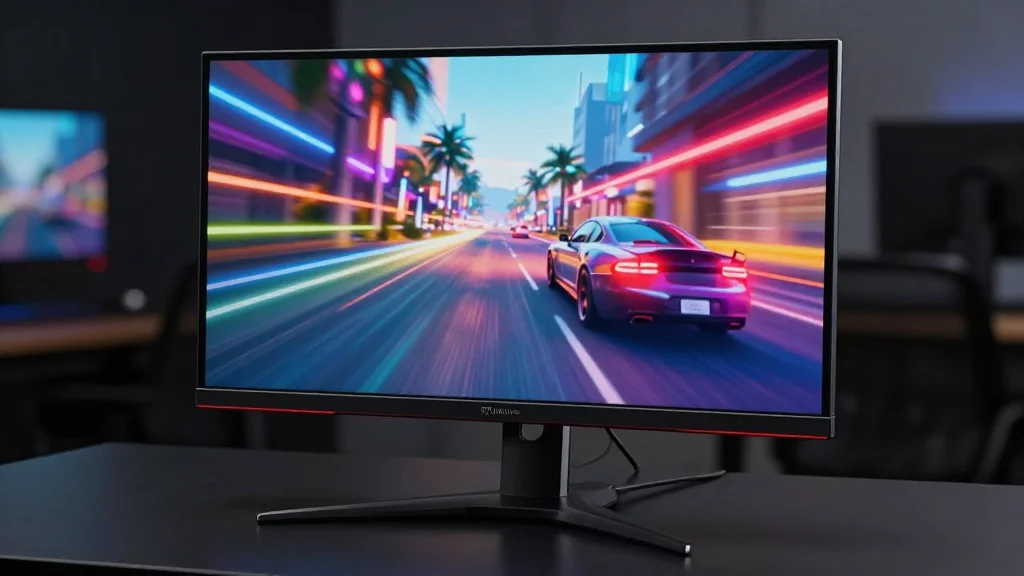
LG UltraGear 720Hz Monitor Called Overkill by Top Gaming Editors

Companies Mentioned
Why It Matters
Ultra‑high refresh‑rate monitors like the LG UltraGear 27GX790B illustrate a growing gap between hardware marketing hype and practical consumer value. As GPU performance plateaus relative to monitor capabilities, gamers risk spending on features they cannot fully utilize, potentially slowing broader adoption of next‑gen display tech. Moreover, the debate highlights the importance of holistic system balance—CPU, GPU, and display must evolve together to deliver genuine gameplay improvements. If manufacturers continue to prioritize headline‑grabbing specs without addressing ecosystem constraints, they may alienate the mainstream market, reinforcing a divide between elite esports setups and everyday gaming rigs. Understanding this dynamic helps investors, developers, and retailers gauge where to allocate resources for sustainable growth in the gaming hardware sector.
Key Takeaways
- •LG UltraGear 27GX790B costs $994 and offers 540 Hz @ 1440p or 720 Hz @ 720p.
- •Brandon Hill (Tom’s Hardware) says he prefers visual quality over extreme refresh rates.
- •Dave James (PC Gamer) notes 720 Hz only matters if a system can sustain matching frame rates.
- •Current market share: 144 Hz monitors ~70%, 240 Hz ~20%, >360 Hz <5% of sales.
- •Even top GPUs like RTX 5090 struggle to exceed 200 FPS in demanding titles.
Pulse Analysis
The push for 720 Hz displays is less about functional necessity and more about brand positioning. Historically, each jump in refresh rate—120 Hz, 144 Hz, 240 Hz—was justified by measurable gameplay benefits, especially in fast‑paced shooters. However, the diminishing returns beyond 240 Hz become evident when the human eye can no longer discern motion differences at typical viewing distances, and when the GPU cannot consistently deliver the required frame rates.
From a market perspective, manufacturers are betting that a small elite segment will drive premium pricing, subsidizing R&D for future technologies like micro‑LED panels and variable‑rate backlights. This mirrors the early adoption curve of 4K TVs, where high‑end early adopters funded the ecosystem that later made the technology mainstream. Yet, unlike 4K, the performance ceiling for 720 Hz is tightly coupled to GPU horsepower, meaning the ecosystem upgrade path is more costly and slower.
Looking forward, the industry’s sweet spot will likely settle around 240‑300 Hz paired with AI‑upscaling solutions that maintain visual fidelity while easing GPU load. Companies that can integrate adaptive sync, low‑latency panels, and affordable pricing will capture the bulk of the market, while ultra‑high refresh models will remain niche tools for professional esports athletes and hardware enthusiasts.
LG UltraGear 720Hz Monitor Called Overkill by Top Gaming Editors
Comments
Want to join the conversation?
Loading comments...