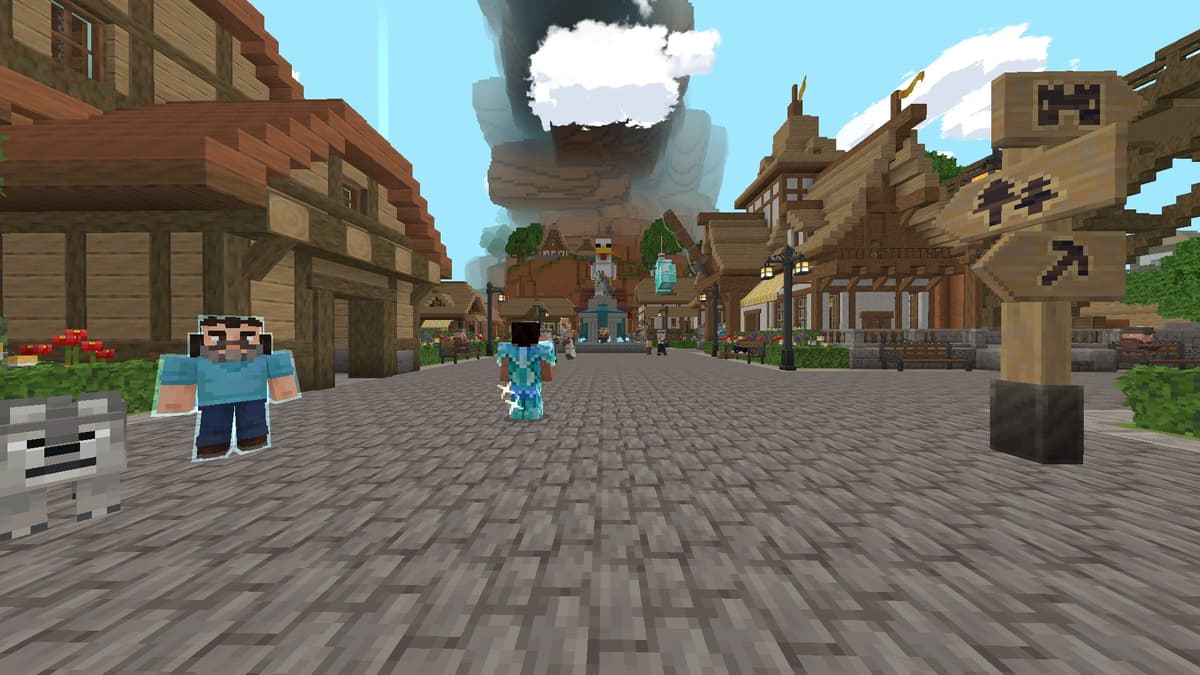
Minecraft Creators Want to Do More Brand Integrations in 2026
•February 26, 2026
0
Why It Matters
Opening brand‑integration channels in Minecraft could unlock significant new revenue for creators and expand advertisers' reach within one of the world’s most active gaming ecosystems.
Key Takeaways
- •Brands favor integrations over owned virtual worlds
- •Roblox, Fortnite lead with numerous brand deals
- •Minecraft creators lack comparable partnership opportunities
- •Creators aim for 2026 brand integration pipeline
- •Potential revenue boost for Minecraft ecosystem
Pulse Analysis
The gaming advertising landscape is undergoing a rapid transformation. After years of building isolated brand worlds, marketers are now embedding their messages directly into existing titles where audiences already congregate. Roblox and Fortnite have become showcase cases, delivering thousands of branded experiences that blend seamlessly with gameplay, driving higher engagement and measurable ROI. This shift reflects broader advertiser confidence that virtual‑world placements generate authentic interactions far beyond traditional display ads.
Minecraft, with its massive modding community and open‑ended sandbox design, sits at a crossroads. While its creator ecosystem has historically thrived on user‑generated content, formal brand‑integration pathways remain underdeveloped. Creators are pushing for a 2026 rollout that would allow logos, skins, and sponsored quests to be woven into their builds, mirroring the successful models seen on competing platforms. Such a framework could democratize revenue, giving independent map makers and server operators a share of the multi‑billion‑dollar gaming ad spend.
If Minecraft embraces structured brand partnerships, the ripple effects could be substantial. Advertisers would gain access to a highly engaged, predominantly younger demographic, while creators could monetize at scale without compromising the game’s creative ethos. However, challenges around content moderation, brand safety, and preserving player experience will require careful governance. Successfully navigating these issues could position Minecraft as the next frontier for immersive advertising, reinforcing its relevance in an increasingly virtual economy.
Minecraft creators want to do more brand integrations in 2026
0
Comments
Want to join the conversation?
Loading comments...