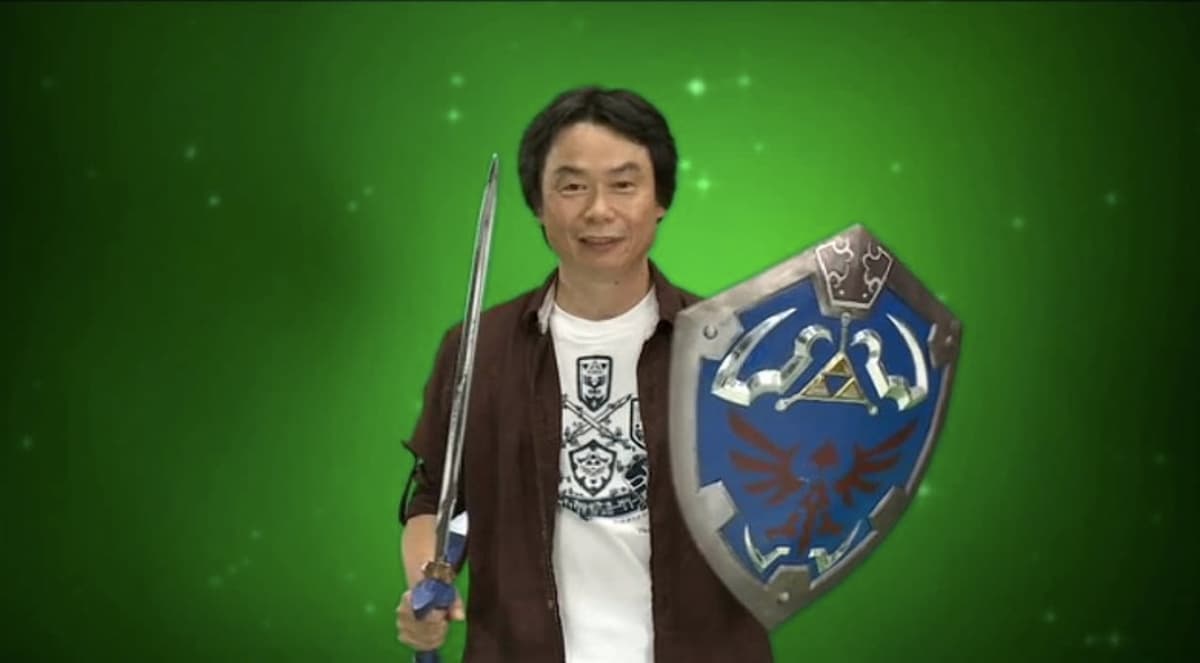
Miyamoto Reflects on How His Childhood Helped Him as a Game Dev, and Details How Games Can Create Real-Life Sensations
Companies Mentioned
Why It Matters
By revealing how sensory cues translate into physical sensations, Miyamoto highlights a design pathway that can deepen player immersion and set a benchmark for future titles. This perspective reinforces the strategic value of multisensory integration for studios seeking competitive differentiation.
Key Takeaways
- •Childhood play shaped Miyamoto's sensory-driven design philosophy
- •He links game audio‑visual cues to physical feelings like cold
- •Zelda dungeons use darkness and music to trigger chills
- •Miyamoto advocates balancing digital fun with real‑world activities
- •Sensory integration offers a competitive edge in modern game development
Pulse Analysis
At a recent ceremony marking the 20th anniversary of Sonobe’s merger into Nantan City, Nintendo legend Shigeru Miyamoto reflected on the formative role his childhood play had in shaping his approach to game development. He explained that the tactile, exploratory games he created with friends taught him to value direct sensory feedback, a principle that has guided titles from "Super Mario" to "The Legend of Zelda." By recalling specific memories of climbing trees, chasing fireflies, and improvising with makeshift controllers, Miyamoto underscored how real‑world play informs virtual design.
Miyamoto illustrated his point with a classic Zelda scenario: entering a dimly lit dungeon accompanied by a mournful score instantly produces a chill, while sprinting under a bright sky to upbeat music evokes warmth. This deliberate pairing of visual cues, sound design, and imagined temperature demonstrates how games can trigger physiological responses without any hardware beyond a controller. Industry research shows that such multimodal stimulation improves player engagement and memory retention, suggesting that developers who master sensory layering can create experiences that feel almost tangible.
The broader implication for the gaming industry is a shift toward experiences that blend digital immersion with encouragement of real‑world activity. Miyamoto’s call for children to balance screen time with outdoor play aligns with emerging health guidelines and presents an opportunity for developers to embed prompts for physical exploration within gameplay loops. As virtual reality and haptic technologies mature, the emphasis on authentic sensory cues will become a differentiator, allowing studios to craft titles that not only entertain but also foster holistic engagement across both virtual and physical realms.
Miyamoto reflects on how his childhood helped him as a game dev, and details how games can create real-life sensations
Comments
Want to join the conversation?
Loading comments...