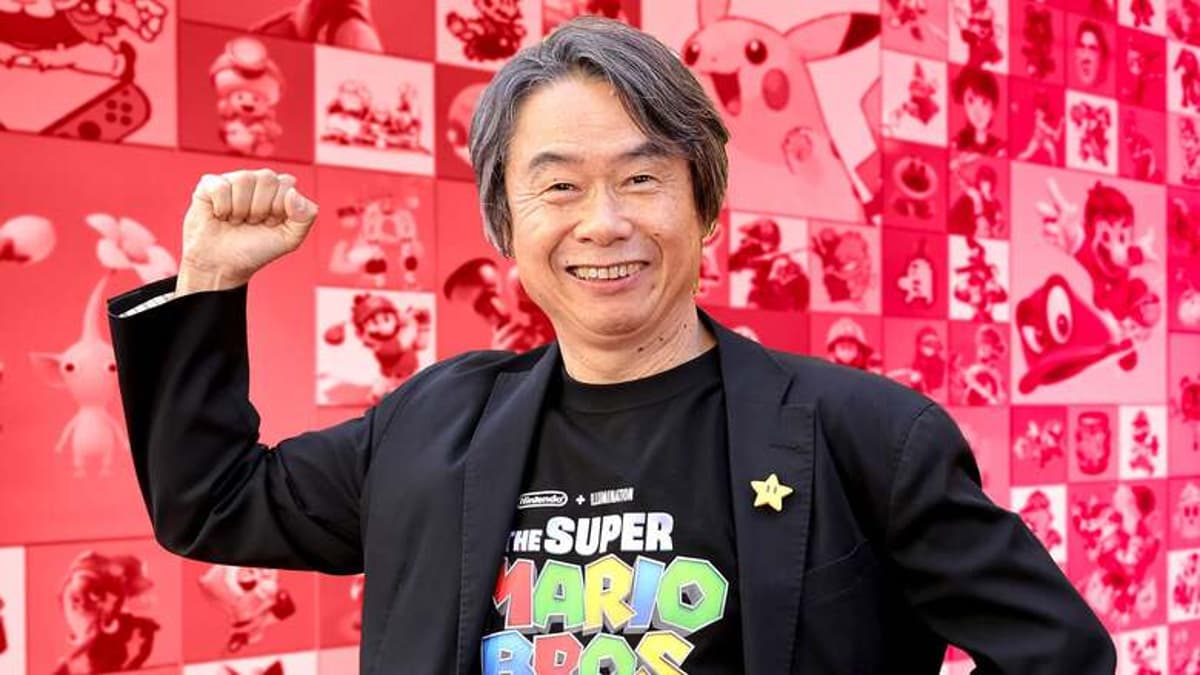
Miyamoto Says Why Nintendo's Sales Team Doesn't Dictate What Games Are Made and Why They Don't Chase Trends
Companies Mentioned
Why It Matters
The stance underscores Nintendo’s commitment to creative autonomy, differentiating its portfolio from competitors who chase short‑term sales metrics, and it signals a sustainable path for long‑term brand strength in the global gaming market.
Key Takeaways
- •Nintendo avoids sales‑driven game selection, trusts creators
- •Policy originates from former president Hiroshi Yamauchi
- •Prioritizes global appeal over following Japanese trends
- •No sales targets; aims for limitless creative ambition
- •Individuality seen as ultimate local element for worldwide resonance
Pulse Analysis
Nintendo’s development philosophy, as outlined by Shigeru Miyamoto, highlights a rare departure from the sales‑centric models that dominate much of the video‑game industry. While many publishers pressure studios to replicate proven hits, Nintendo’s legacy—rooted in Hiroshi Yamauchi’s early leadership—advocates waiting for consumer demand to emerge organically. This approach protects the brand from over‑saturating the market with derivative titles and preserves the company’s reputation for originality, a factor that continues to drive strong hardware sales and franchise loyalty.
The global focus Miyamoto champions reflects a strategic pivot away from region‑specific trends that can limit a game’s international reach. By encouraging developers to think beyond Japanese cultural cues, Nintendo aims to craft experiences that resonate with diverse audiences while retaining a distinct creative voice. This balance of individuality and universal appeal has produced blockbusters like "The Legend of Zelda: Breath of the Wild" and "Animal Crossing: New Horizons," both of which achieved record‑breaking sales without relying on fleeting market fads. The company’s refusal to set rigid sales targets further empowers teams to experiment, fostering a pipeline where risk‑taking is rewarded rather than penalized.
Industry observers see Nintendo’s stance as a potential blueprint for sustainable growth in an era of rapid content churn. As competitors scramble to chase trends and monetize short‑term spikes, Nintendo’s model demonstrates that long‑term brand equity can be built on creative confidence and a global‑first mindset. For investors and developers alike, the message is clear: prioritizing authentic, globally minded design may yield higher returns than chasing the next viral hit, reinforcing Nintendo’s position as a perennial innovator in the gaming landscape.
Miyamoto says why Nintendo's sales team doesn't dictate what games are made and why they don't chase trends
Comments
Want to join the conversation?
Loading comments...