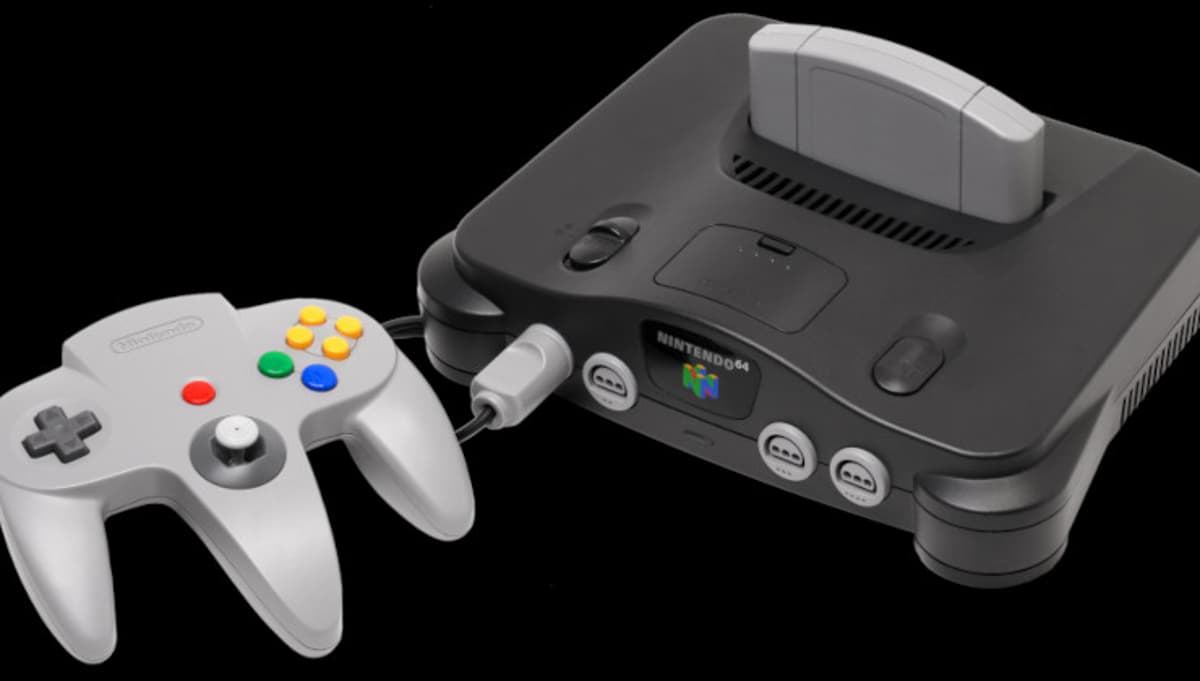
Nintendo 64 Emulator Gopher64 Adds Controller Hotkeys and Auto-Reconnect

Companies Mentioned
Why It Matters
By simplifying controller management and boosting visual quality, gopher64 lowers barriers for Linux gamers, accelerating adoption of high‑performance emulation on non‑Windows platforms.
Key Takeaways
- •Controller hotkeys simplify pak swapping with single button combo
- •Auto-reconnect restores lost controller connections without restarting emulator
- •SSAA downscaling improves visual fidelity on high‑resolution displays
- •Recent updates add Achievements, SDL 3, VSync, drag‑drop ROM loading
- •gopher64 becomes favored emulator for Linux and SteamOS gamers
Pulse Analysis
Open‑source emulators like gopher64 play a crucial role in preserving classic games while expanding access beyond legacy consoles. Linux users have historically faced a fragmented ecosystem, relying on Windows‑centric tools or commercial solutions. gopher64’s free, community‑driven model offers a transparent alternative that aligns with the open‑source ethos, encouraging contributions and rapid iteration. As retro gaming gains mainstream traction, such projects become essential for cultural preservation and for developers seeking to study classic architectures.
Version 1.1.20 introduces controller hotkeys that map the former “pak change” button to a dedicated activator, allowing players to switch memory paks with a simple hotkey + B press. Coupled with an auto‑reconnect feature, the emulator now automatically restores lost gamepad connections, eliminating the need to restart the session—a common frustration for Linux gamers using Bluetooth or USB adapters. The addition of SSAA downscaling lets users render games at higher internal resolutions before scaling down, delivering sharper images on modern 4K monitors without sacrificing performance. These usability upgrades directly address pain points that have limited broader adoption.
The momentum behind gopher64 reflects a larger trend of community‑led innovation outpacing commercial offerings in the retro‑gaming space. By integrating SDL 3, VSync, and drag‑and‑drop ROM loading, the project demonstrates how open‑source collaborations can quickly adopt emerging standards. This rapid development cycle not only attracts new users but also signals to hardware manufacturers that Linux‑friendly gaming solutions are viable. As the emulator garners a growing user base on SteamOS and other Linux distributions, it may influence future console‑emulation APIs and inspire similar projects to prioritize cross‑platform accessibility and performance.
Nintendo 64 emulator gopher64 adds controller hotkeys and auto-reconnect
Comments
Want to join the conversation?
Loading comments...