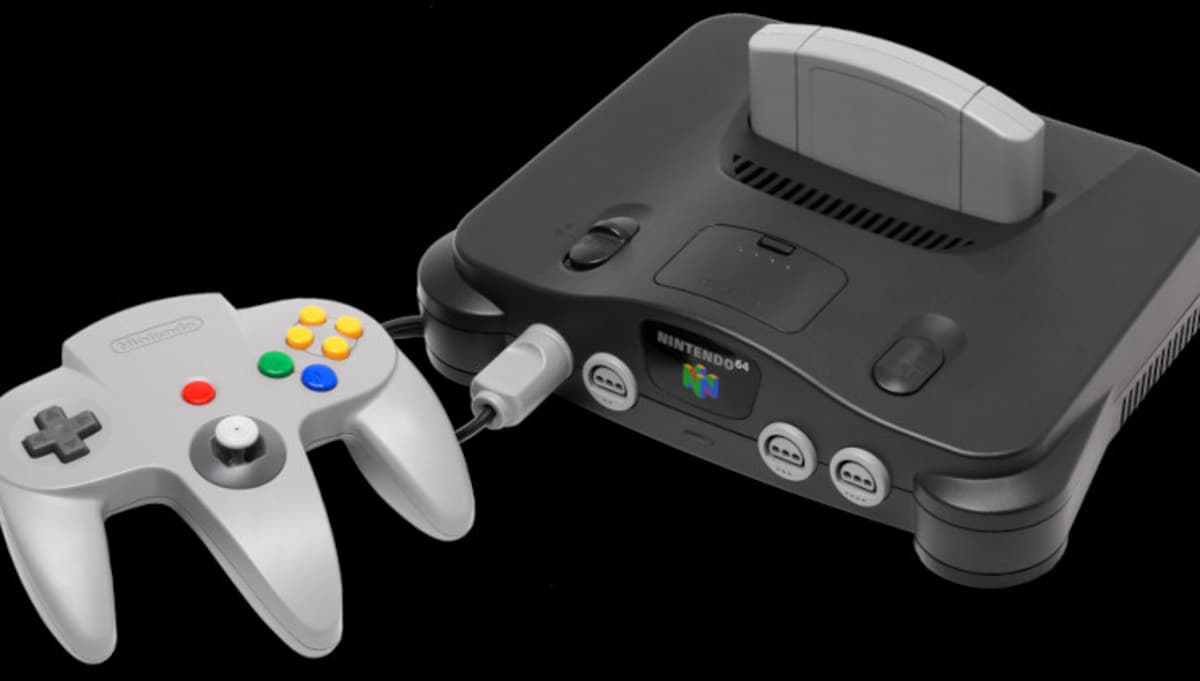
Nintendo 64 Emulator Gopher64 Gets Even Easier to Use

Companies Mentioned
Why It Matters
The enhancements lower the technical barrier for Linux gamers, accelerating adoption of legal, high‑quality N64 emulation and supporting game preservation efforts.
Key Takeaways
- •Gopher64 now supports drag‑and‑drop ROM loading.
- •VSync toggle and FPS display added for smoother performance.
- •Transfer Pak dialogs appear only when enabled, reducing startup delays.
- •GameBoy RAM now writes back to save files, preserving progress.
- •Netplay, upscaling, CRT shader, and overclocking broaden gameplay options.
Pulse Analysis
The Nintendo 64 scene has long relied on a patchwork of closed‑source and hobbyist projects, leaving Linux users with limited options. Gopher64, an open‑source, cross‑platform emulator written in Go, is reshaping that landscape by delivering a stable, feature‑rich alternative that runs natively on Linux, macOS, and Windows. Its recent updates underscore a broader trend: developers are prioritising accessibility and preservation, ensuring classic titles remain playable as hardware ages. By exposing the console’s architecture through a modern codebase, Gopher64 also invites contributions that can accelerate bug fixes and performance gains.
The v1.1.17 and subsequent v1.1.19 releases focus on user‑friendly enhancements. A simple F1 key now toggles FPS and refresh‑rate counters, while drag‑and‑drop ROM loading eliminates the need for command‑line arguments. VSync support curbs screen tearing, and a recent‑files list speeds up session switching. Crucially, the emulator now writes GameBoy RAM back to save files, preserving progress across sessions—a detail that matters to fans of N64 titles with built‑in GameBoy cartridges. Integrated RetroAchievements, netplay, and shader options further align Gopher64 with contemporary retro‑gaming expectations.
Looking ahead, Gopher64’s modular design positions it well for integration with platforms like SteamOS, where native N64 support remains sparse. Community‑driven features such as upscaling, CPU overclocking, and cheat management demonstrate the project’s adaptability to both casual players and power users. As open‑source emulation gains legitimacy, partnerships with preservation initiatives and academic archives could emerge, turning Gopher64 into a reference implementation for digital heritage projects. For developers and gamers alike, the emulator’s rapid iteration cycle signals a healthy ecosystem poised to keep Nintendo 64 experiences alive for years to come.
Nintendo 64 emulator gopher64 gets even easier to use
Comments
Want to join the conversation?
Loading comments...