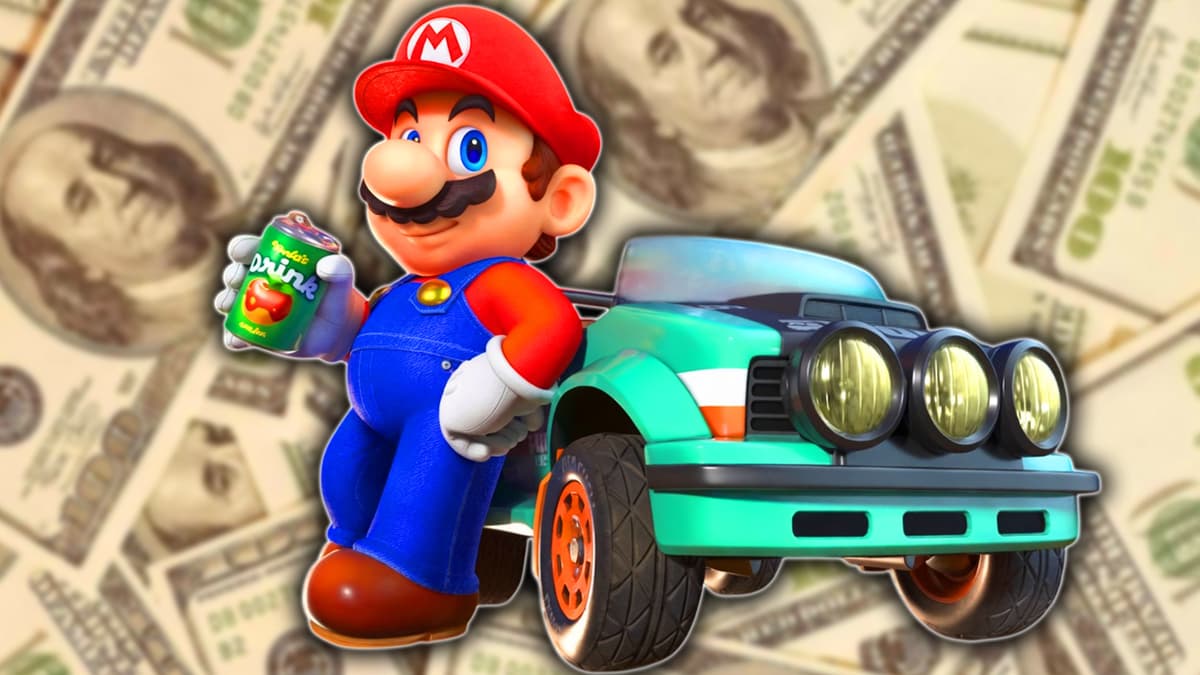
Nintendo Sales Reveal Mario Is Putting Donkey Kong and Pokémon to Shame on the Switch 2
Companies Mentioned
Why It Matters
Mario Kart World’s outsized sales cement Nintendo’s reliance on flagship franchises to fuel console growth, while the revenue surge underscores the profitability of blending new hits with nostalgic re‑releases.
Key Takeaways
- •Mario Kart World sold 14.7 million units on Switch 2
- •Donkey Kong Bananza trails with 4.52 million copies
- •Pokémon titles collectively moved 8 million units
- •Original Switch shipped additional 3.8 million consoles
- •Nintendo’s fiscal profit rose 38% to $2.7 billion
Pulse Analysis
Mario Kart World’s blockbuster performance illustrates how a single, well‑executed franchise can dominate a console’s ecosystem. By moving 14.7 million copies, the title not only eclipses other new releases but also revitalizes the Switch 2’s market momentum after its June launch. The game’s success feeds into Nintendo’s broader strategy of leveraging iconic IPs to drive hardware adoption, a pattern that dates back to the original Wii’s family‑friendly appeal. This sales surge contributed to a $14.6 billion revenue run, marking a 38% year‑over‑year increase and reinforcing Nintendo’s position as a cash‑generating powerhouse in the crowded gaming landscape.
Beyond Mario Kart, Nintendo’s portfolio benefits from a steady stream of legacy content. Re‑releases of Pokémon FireRed and LeafGreen together sold four million units, while classic titles like Super Mario Galaxy 2 and the original Galaxy added nearly five million copies. These numbers demonstrate that nostalgic offerings remain a lucrative revenue source, especially when paired with the Nintendo Switch Online subscription model. The continued shipment of 3.8 million original Switch consoles indicates a healthy install base that can be monetized through both new and retro titles, extending the lifecycle of older hardware.
The broader industry takes note as Nintendo proves that a hybrid approach—mixing fresh, high‑profile launches with curated retro libraries—can drive both top‑line growth and profitability. Competitors may look to replicate this formula, focusing on flagship franchises while capitalizing on the evergreen appeal of classic games. As the console market matures, Nintendo’s ability to extract value from its extensive IP catalog positions it well for sustained relevance, even as consumer expectations evolve around open‑world designs and online connectivity.
Nintendo sales reveal Mario is putting Donkey Kong and Pokémon to shame on the Switch 2
Comments
Want to join the conversation?
Loading comments...