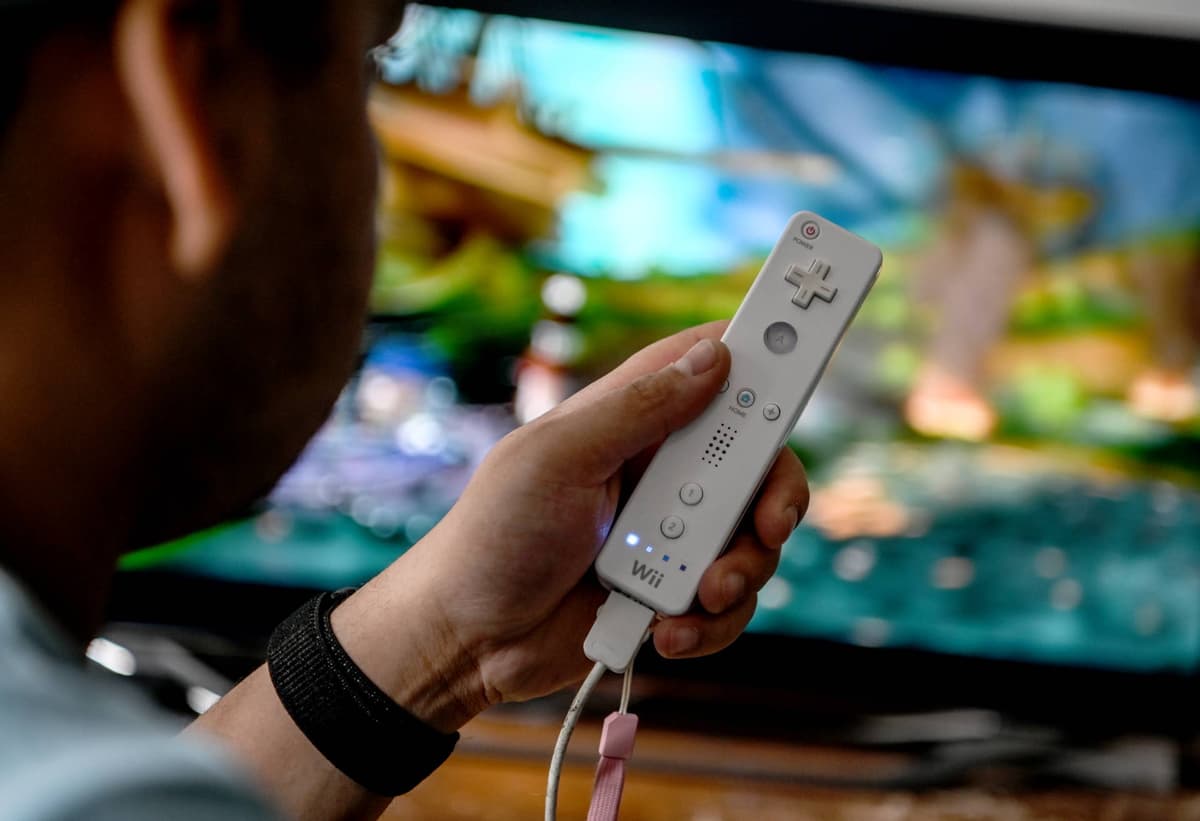
Nintendo's Highest-Selling Game Ever Almost Never Existed
Companies Mentioned
Why It Matters
The free‑bundling model propelled the Wii to mainstream popularity, expanding the gaming audience beyond traditional gamers. It also demonstrated how strategic pack‑ins can generate ecosystem growth and long‑term brand value.
Key Takeaways
- •Wii Sports sold nearly 83 million copies worldwide.
- •It shipped free with every Wii console launched in 2006.
- •Shigeru Miyamoto initially opposed bundling the game for free.
- •Reggie Fils‑Aime argued bundling would drive console adoption.
- •The pack‑in title helped popularize motion‑control gaming.
Pulse Analysis
When Nintendo launched the Wii in 2006, it introduced motion‑controlled gameplay that appealed to families, seniors, and non‑gamers. By including Wii Sports—a simple, intuitive collection of sports demos—in every console, Nintendo lowered the barrier to entry and showcased the hardware’s unique capabilities. This strategy differentiated the Wii from competitors focused on high‑definition graphics, allowing it to capture a broader market share and sell over 100 million units worldwide.
Behind the scenes, the decision to bundle Wii Sports sparked a heated debate. Shigeru Miyamoto, the company’s legendary creator, feared that giving away a full‑featured game would erode perceived value and set a risky precedent. In contrast, Reggie Fils‑Aime, then head of Nintendo of America, argued that a compelling pack‑in could accelerate console adoption, pointing to the Super Mario bundle on the SNES as a successful historical example. The eventual compromise—offering Wii Sports at no extra cost—proved that a well‑chosen flagship title can act as a catalyst for hardware sales, even if it sacrifices direct software revenue.
The legacy of Wii Sports extends beyond its sales figures. It demonstrated that strategic bundling can transform a console into a platform for social interaction, driving ancillary revenue through accessories, online services, and later game releases. Modern manufacturers, from Sony to Microsoft, now experiment with subscription bundles and exclusive titles to replicate that ecosystem effect. Wii Sports’ success underscores the importance of aligning product packaging with broader brand objectives, a lesson that remains relevant as the industry pivots toward cloud gaming and subscription models.
Nintendo's Highest-Selling Game Ever Almost Never Existed
Comments
Want to join the conversation?
Loading comments...