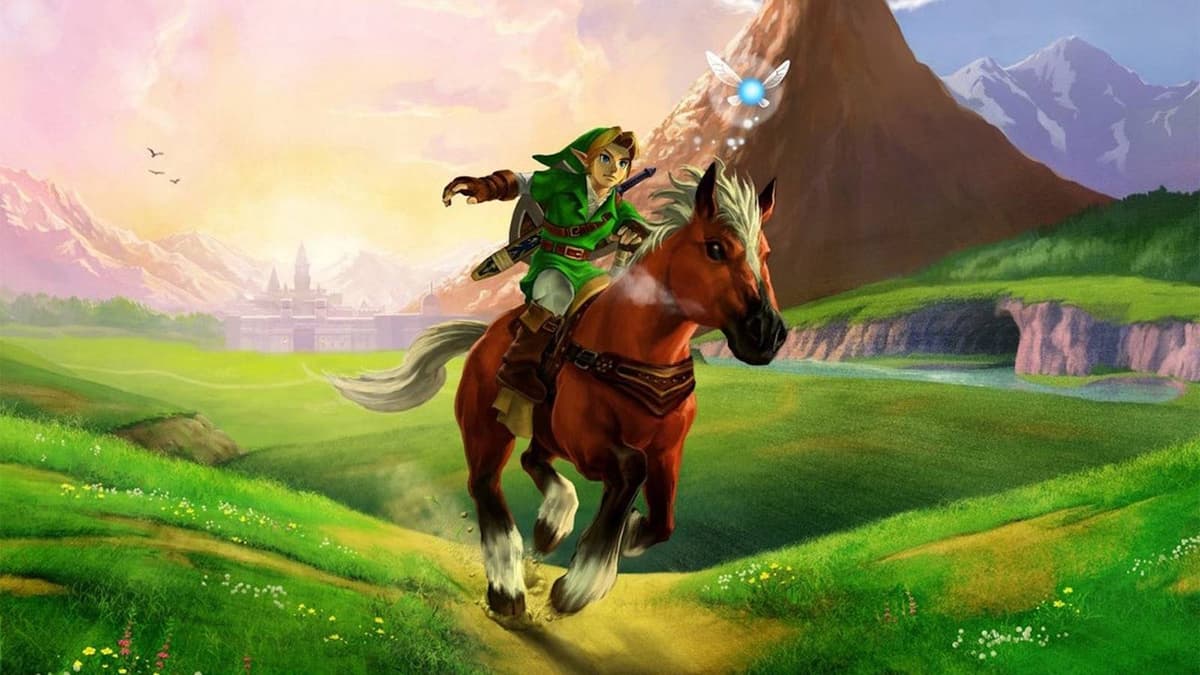
Nintendo's Plans for the Ocarina of Time Remake Could Shape the Future of Zelda
Companies Mentioned
Why It Matters
The remake signals Nintendo’s strategic pivot for the Zelda franchise, balancing nostalgia with evolving gameplay expectations and influencing future release schedules and design philosophy.
Key Takeaways
- •Nintendo confirms Ocarina of Time remake for 2026 release
- •Remake may blend classic structure with modern open‑world mechanics
- •Aonuma signals no sequel or DLC for Tears of the Kingdom
- •Future Zelda titles could emphasize tool‑based interaction with environments
- •Nintendo may limit open‑world scale to maintain release cadence
Pulse Analysis
Nintendo’s announcement of an *Ocarina of Time* remake revives one of the most celebrated entries in gaming history while positioning the company at a crossroads of design philosophy. The original 1998 title set the template for 3‑D adventure games, yet its linear progression feels dated against the sandbox freedom of *Breath of the Wild* and *Tears of the Kingdom*. By revisiting the classic, Nintendo can gauge player appetite for a hybrid experience that respects the series’ roots while integrating modern mechanics, a move that could re‑energize its core fan base and attract new audiences.
The development team, led by veteran producer Eiji Aonuma, has signaled a deliberate shift away from the expansive, resource‑intensive open worlds that defined the recent Zelda entries. Aonuma’s comments about abandoning further *Tears of the Kingdom* DLC and the unlikely return of the Sheikah Slate suggest the remake may prioritize focused, tool‑driven interaction over sheer map size. Concepts from *A Link Between Worlds* and *Echoes of Wisdom*—such as manipulating environments with a limited toolkit—could be woven into the classic’s framework, delivering fresh puzzles without the need for a sprawling, multi‑year development cycle.
For the broader market, the remake serves as a litmus test for Nintendo’s next strategic phase. If the hybrid model resonates, the company could adopt a faster release cadence, delivering Zelda titles every three to four years rather than the six‑plus year gaps seen recently. This approach would keep the franchise top‑of‑mind in a competitive console landscape, where timely innovation is essential. Moreover, a successful blend of nostalgia and modern design could set a template for other legacy franchises seeking relevance in today’s open‑world‑dominated market.
Nintendo's plans for the Ocarina of Time remake could shape the future of Zelda
Comments
Want to join the conversation?
Loading comments...