Nintendo’s Takashi Tezuka Reinvented The Legend Of Zelda Without Overthinking It

Companies Mentioned
Why It Matters
Tezuka’s retirement marks the loss of a visionary who redefined Zelda’s creative boundaries, influencing Nintendo’s future game design philosophy. His work on *Link’s Awakening* proved that handheld titles can drive series‑wide innovation.
Key Takeaways
- •Takashi Tezuka retires after four decades at Nintendo.
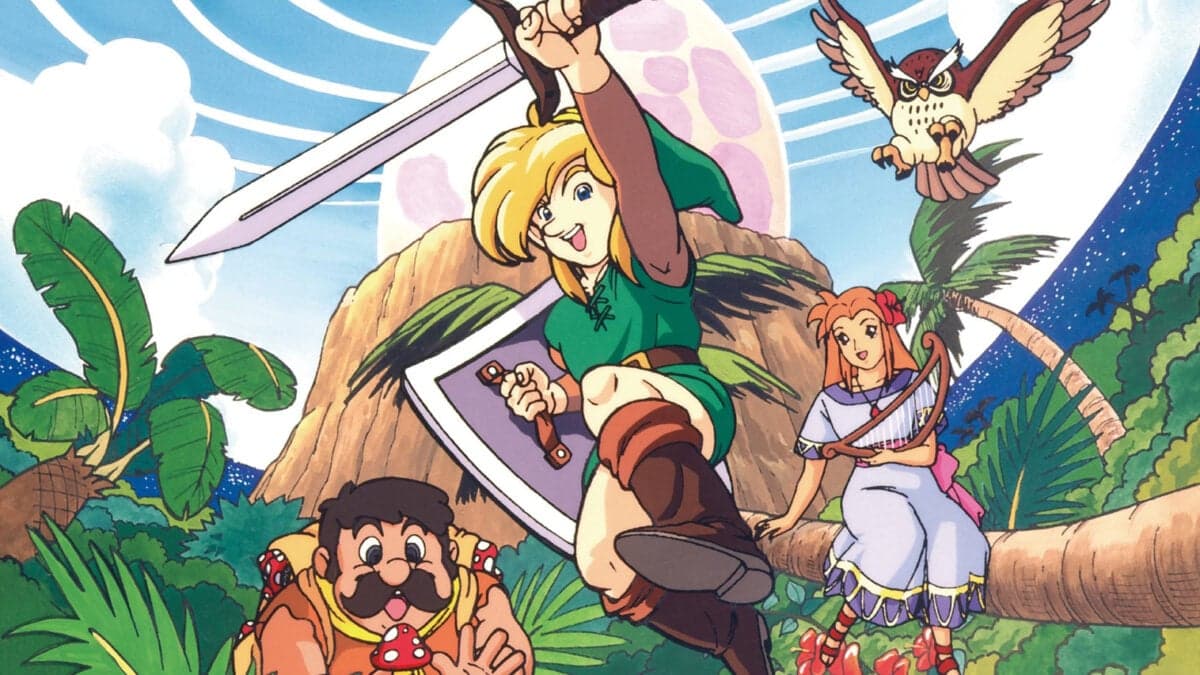
- •Tezuka led Link’s Awakening, removing Triforce and Zelda.
- •The game’s offbeat design influenced later Zelda titles.
- •Tezuka’s art‑film background shaped Nintendo’s storytelling.
- •Handheld Zelda’s experimental roots stem from after‑hours dev work.
Pulse Analysis
Takashi Tezuka’s departure from Nintendo closes a chapter that began in the mid‑1980s, when an art‑school graduate entered a company dominated by arcade culture. His early contributions to *Punch‑Out!!* and *Super Mario Bros.* earned him a reputation for injecting fresh ideas, but it was his willingness to challenge conventions that reshaped the *Legend of Zelda* franchise. By the time he took the helm of *Link’s Awakening*, Tezuka deliberately stripped away familiar symbols like the Triforce, focusing instead on a compact, dream‑like island that encouraged curiosity over combat.
The handheld experiment was born from a clandestine “after‑school club” of developers tinkering with Game Boy hardware after hours. This low‑key environment allowed Tezuka to push narrative boundaries, resulting in a game where the protagonist’s quest was less about saving a kingdom and more about repairing a fractured reality. The quirky characters and surreal atmosphere introduced in *Awakening* became a template for later entries, influencing titles such as *Majora’s Mask* and *Breath of the Wild* with their emphasis on world‑building and emotional resonance.
Industry observers note that Tezuka’s approach signaled a broader shift in video‑game design: success no longer hinges solely on graphical fidelity or franchise nostalgia, but on daring storytelling and experimental mechanics. Nintendo’s willingness to let a veteran producer experiment on a handheld platform paved the way for risk‑taking across its portfolio, from indie‑style adventures to ambitious open‑world experiences. As the company looks ahead, Tezuka’s legacy will likely inspire a new generation of creators to prioritize imagination over formulaic design, reinforcing Nintendo’s reputation as an incubator of innovative gameplay.
Nintendo’s Takashi Tezuka Reinvented The Legend Of Zelda Without Overthinking It
Comments
Want to join the conversation?
Loading comments...