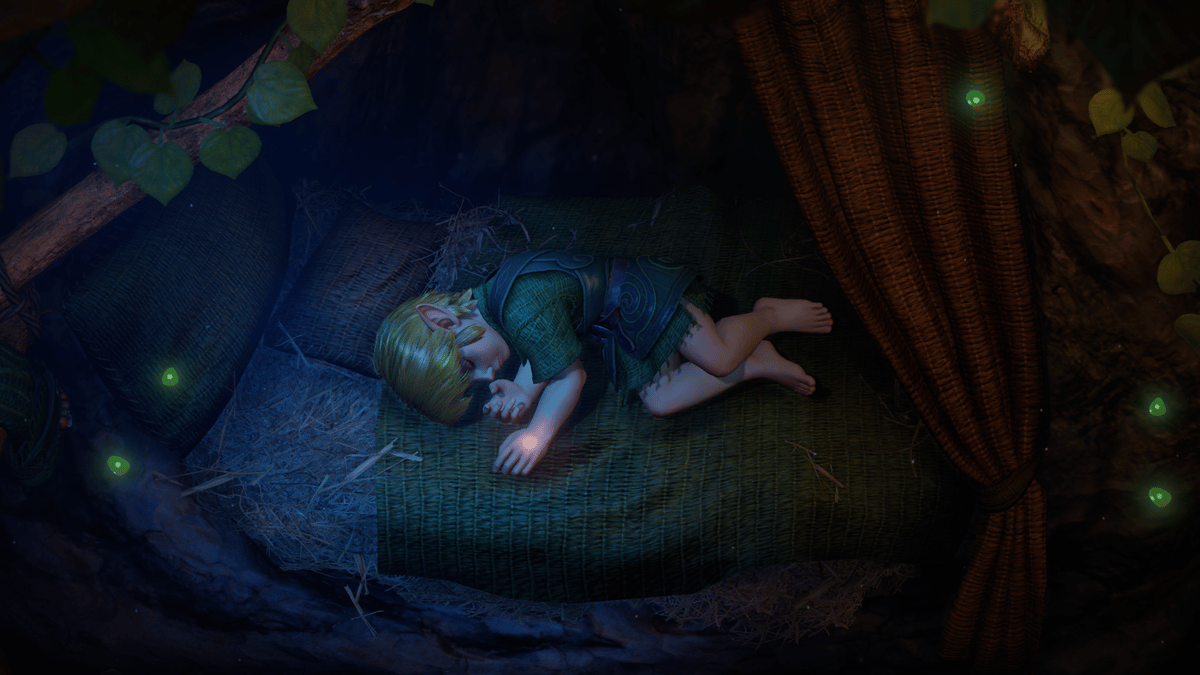
Ocarina of Time Remake Revives a Zelda Dream Killed 15 Years Ago
Companies Mentioned
Why It Matters
The remake demonstrates Nintendo’s ability to monetize legacy IPs, reinforcing the Switch’s library and setting a template for future classic revivals.
Key Takeaways
- •Nintendo releases Ocarina of Time remake on Switch, 15 years later
- •Remake features high‑definition graphics, reworked controls, and expanded audio
- •Fan hype stemmed from 2011 Wii U tech demo at Zelda’s 25th anniversary
- •Nintendo leverages nostalgia to boost Switch sales and franchise relevance
- •Success may encourage more legacy titles to receive modern remasters
Pulse Analysis
The Legend of Zelda: Ocarina of Time has long been regarded as a watershed moment in 3D gaming, setting narrative and design standards that still resonate today. When Nintendo unveiled a brief Wii U tech demo at the 2011 E3 celebration of the series’ 25th anniversary, it offered a tantalizing glimpse of what a modernized version could look like, but the demo was never intended as a concrete product roadmap. Over the ensuing decade, the unfinished vision became a cult myth, fueling forums, fan art, and speculative videos that kept the dream alive long after the original hardware was discontinued.
The 2026 Switch remake finally translates that myth into reality, delivering a high‑definition overhaul that respects the source material while integrating contemporary quality‑of‑life improvements. Updated character models, dynamic lighting, and a reorchestrated score breathe new life into Hyrule, and the reworked control scheme leverages the Switch’s hybrid capabilities for smoother camera handling and more intuitive combat. By pairing nostalgia with technical polish, Nintendo not only satisfies a vocal segment of its fanbase but also expands the title’s appeal to newcomers who may have missed the original on the Nintendo 64.
From a business perspective, the Ocarina of Time remake underscores a broader industry trend: leveraging established franchises to sustain platform relevance and generate incremental revenue. Nintendo’s strategic timing—coinciding with the Switch’s fifth‑year milestone—reinforces the console’s value proposition and provides a blueprint for future revivals of classic IPs. As competitors watch the sales and engagement metrics, we can expect a wave of similar projects, positioning legacy titles as a reliable growth engine in an increasingly crowded market.
Ocarina of Time remake revives a Zelda dream killed 15 years ago
Comments
Want to join the conversation?
Loading comments...