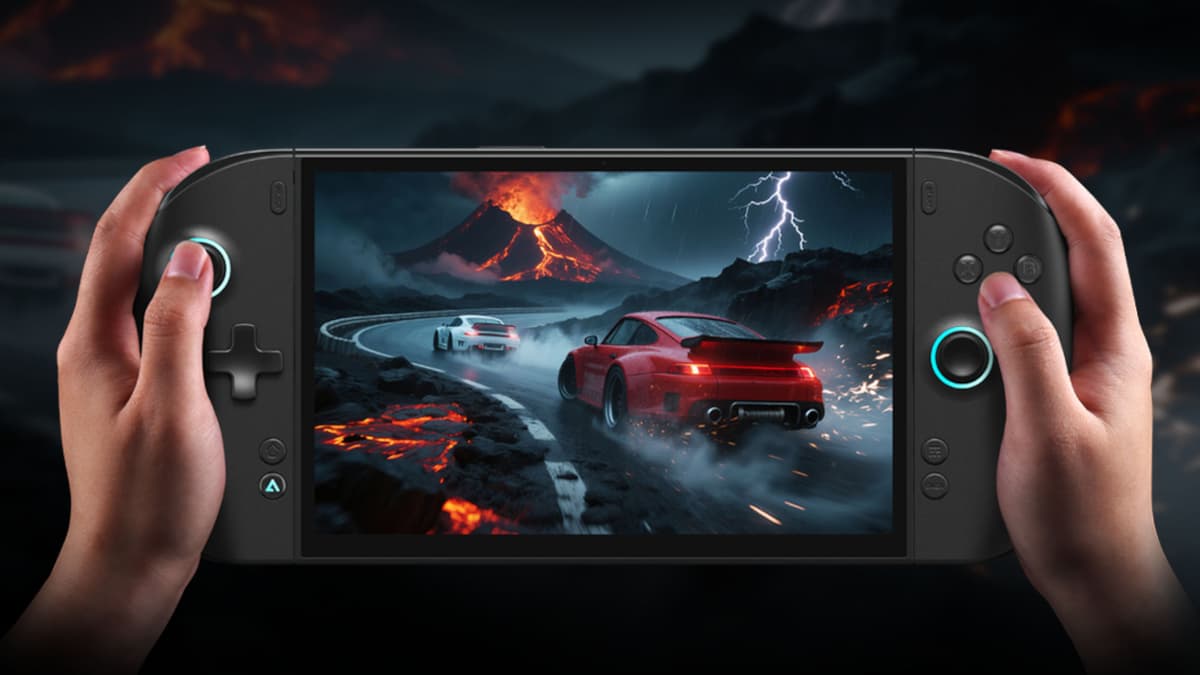
OneXPlayer's Latest Steam Deck Rival Is over $2,000, but It Looks Like the Real Deal
Companies Mentioned
Why It Matters
The X2 Mini Pro raises the performance ceiling for handheld PCs, signaling that a premium segment can sustain multi‑thousand‑dollar pricing. Its launch pressures mainstream competitors like Valve and ASUS to innovate or diversify their own high‑end offerings.
Key Takeaways
- •X2 Mini Pro launches at $2,399 for 48 GB RAM, 1 TB SSD.
- •Features 8.8‑inch OLED and AMD Ryzen AI Max+ 388 processor.
- •Detachable controllers enable handheld, PC, and tablet modes.
- •Liquid‑cooled model priced $2,860 with 64 GB RAM, 2 TB storage.
- •Appeals to niche gamers seeking premium handheld performance.
Pulse Analysis
The handheld PC market has accelerated beyond the Steam Deck, with manufacturers courting power users who demand laptop‑class performance in a portable form factor. OneXPlayer’s X2 Mini Pro enters this space as a direct challenger to high‑end devices such as the ASUS ROG Ally and Lenovo Legion Go, offering a larger OLED screen and a more robust processor. By positioning itself as a 3‑in‑1 device—handheld console, compact gaming PC, and tablet—it aims to capture consumers who value flexibility alongside raw performance.
At the heart of the X2 Mini Pro is AMD’s Ryzen AI Max+ 388, a chip that blends traditional Zen 3 cores with integrated AI acceleration. Coupled with up to 48 GB of LPDDR5 RAM and an 8.8‑inch 1080p OLED panel, the handheld promises frame rates that rival entry‑level gaming laptops, while the AI capabilities enable on‑device inference for future game enhancements. The optional liquid‑cooling solution further pushes thermal limits, allowing sustained performance during marathon sessions—a critical differentiator for competitive gamers and developers testing demanding titles on the go.
However, the $2,399–$2,860 price range places the X2 Mini Pro firmly in a premium niche. While the cost exceeds that of multiple Nintendo Switch units or even two Steam Deck OLEDs, it also delivers a level of hardware that most mainstream handhelds cannot match. This pricing strategy suggests OneXPlayer is courting enthusiasts and professional gamers who prioritize performance over affordability. If the device delivers on its specs, it could validate a market for ultra‑high‑end handhelds and force larger players to reconsider their own premium roadmaps, potentially reshaping the handheld ecosystem over the next few years.
OneXPlayer's latest Steam Deck rival is over $2,000, but it looks like the real deal
Comments
Want to join the conversation?
Loading comments...