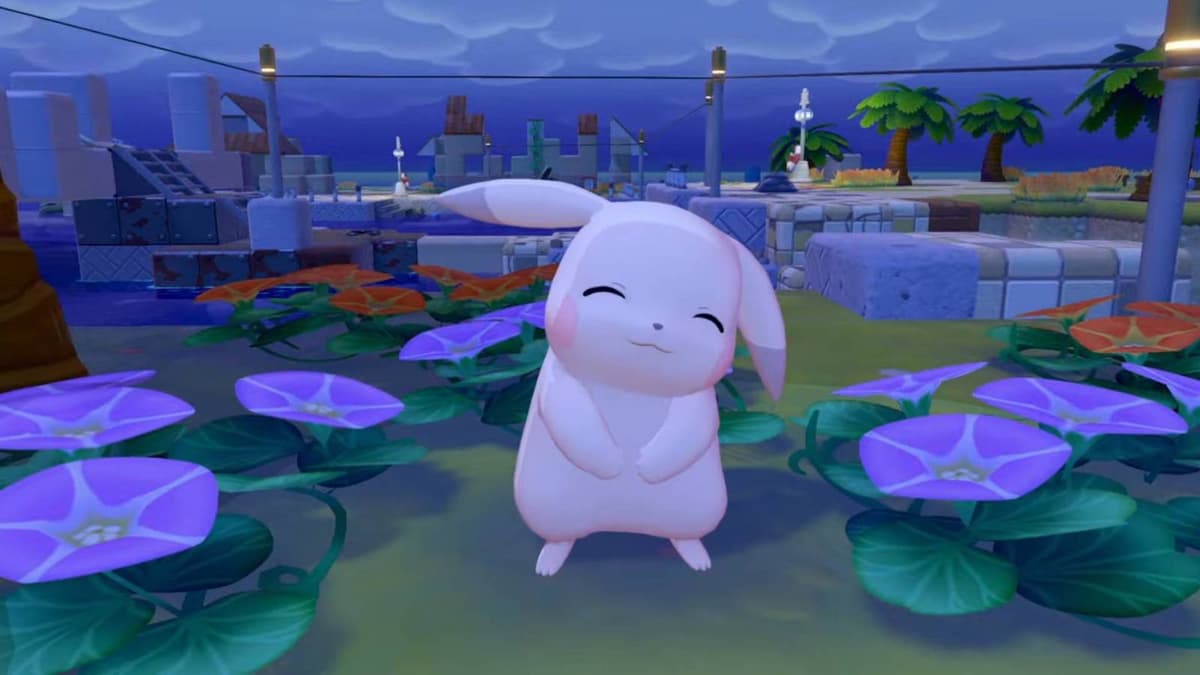
Pokopia's Peakychu Looks Sick Because It Gave All Its Power To Other Pikachu
•March 8, 2026
0
Companies Mentioned
Why It Matters
The emotional narrative behind Peakychu demonstrates how character storytelling can deepen player loyalty and open new revenue streams, while the political misuse of game assets highlights the need for vigilant brand protection in the digital age.
Key Takeaways
- •Pokopia launched, tied with Pokemon Y for reviews.
- •Peakychu's self‑sacrifice narrative sparks fan emotional response.
- •Nintendo distances from White House's use of game font.
- •Emotional character design boosts community loyalty and merch sales.
- •Political messaging leverages popular game aesthetics.
Pulse Analysis
Pokemon Pokopia’s debut marks a notable entry in the franchise, combining a gritty post‑apocalyptic setting with robust community mechanics that appeal to both nostalgic fans and new players. By securing a review score on par with the legendary Pokemon Y, the title signals strong market confidence and positions Nintendo to capture a broader audience seeking immersive, socially driven experiences. The game’s design choices, from its visual language to its open‑world interactions, reflect a strategic shift toward player‑generated content and long‑term engagement.
At the heart of the buzz is Peakychu, a deliberately under‑powered Pikachu whose self‑sacrificial backstory has ignited a wave of fan empathy. This emotional hook illustrates how nuanced character arcs can transform a side quest into a cultural touchpoint, driving organic promotion across social platforms and boosting demand for related merchandise such as plush toys. Developers are increasingly leveraging such storytelling techniques to foster community loyalty, turning empathy into measurable revenue streams while reinforcing the game’s thematic depth.
The controversy surrounding the White House’s appropriation of Pokopia’s whimsical font underscores the broader challenges of protecting intellectual property in the political arena. Nintendo’s swift distancing statement serves as a reminder that iconic game assets carry significant brand equity, and unauthorized usage can dilute perceived authenticity. As governments and advertisers look to gaming aesthetics for outreach, companies must balance openness with rigorous licensing frameworks to safeguard their IP and maintain consumer trust.
Pokopia's Peakychu Looks Sick Because It Gave All Its Power To Other Pikachu
0
Comments
Want to join the conversation?
Loading comments...