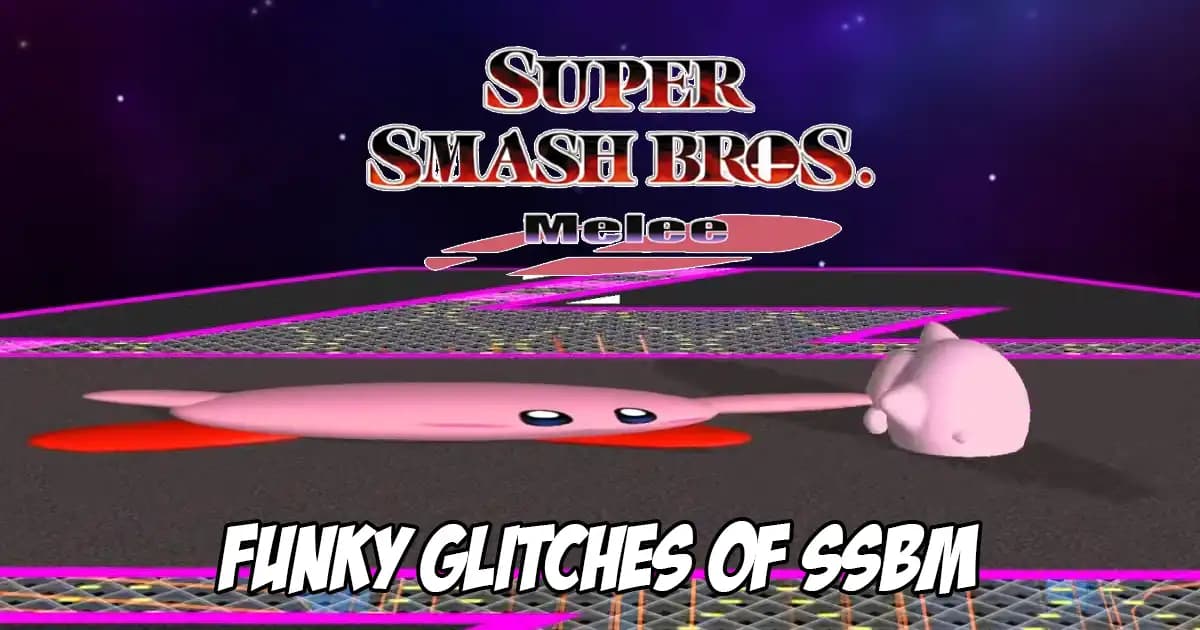
Some of the Most Obscure Glitches that Can Be Found in Super Smash Bros. Melee... If You Know Where to Look
Companies Mentioned
Why It Matters
The persistence of Melee’s glitches fuels a thriving esports scene and creates monetizable content, reinforcing Nintendo’s brand longevity without additional development costs.
Key Takeaways
- •Kirby can shrink Yoshi repeatedly via copied Yoshi neutral special
- •Jigglypuff's Rollout can flatten Kirby when airborne attack collides
- •Melee's 13‑month dev cycle produced hidden bugs still explored today
- •Creators like Choa spotlight obscure glitches, boosting community engagement
- •These quirks extend Melee's esports relevance and generate new content revenue
Pulse Analysis
Nearly a quarter‑century after its 2001 launch, Super Smash Bros. Melee remains a cornerstone of competitive gaming. Its status as the best‑selling GameCube title and a launch title with a 13‑month development window has left a deep well of undocumented interactions. Players and analysts continue to unearth obscure glitches that can alter character models, physics, and hit‑boxes, turning what were once bugs into strategic tools. This persistent discovery cycle fuels a vibrant tournament scene, keeping Nintendo’s flagship franchise relevant in an industry dominated by newer releases.
The recent video by content creator Choa, which catalogues 50 little‑known facts, exemplifies how community‑driven research fuels both entertainment and revenue. Streamers showcase glitch‑based challenges, attracting sponsorships and ad dollars, while esports organizers incorporate these quirks into exhibition matches to differentiate their events. Such user‑generated content extends the game’s lifespan without additional development costs, providing Nintendo with indirect brand exposure and a steady flow of merchandise sales. The symbiotic relationship between glitch hunters and the broader audience underscores the economic value of a living‑game ecosystem.
From a development perspective, Melee’s hidden glitches highlight the trade‑offs of accelerated production schedules. Short cycles can leave edge‑case bugs that later become cultural assets, suggesting that post‑launch community stewardship can act as an informal quality‑assurance layer. Modern studios are taking note, designing games with mod‑friendly architectures and encouraging fan‑generated discoveries. As legacy titles like Melee demonstrate, embracing rather than suppressing unintended behavior can create new revenue streams, deepen player loyalty, and inspire innovative competitive formats that keep older IPs profitable for decades.
Some of the most obscure glitches that can be found in Super Smash Bros. Melee... if you know where to look
Comments
Want to join the conversation?
Loading comments...