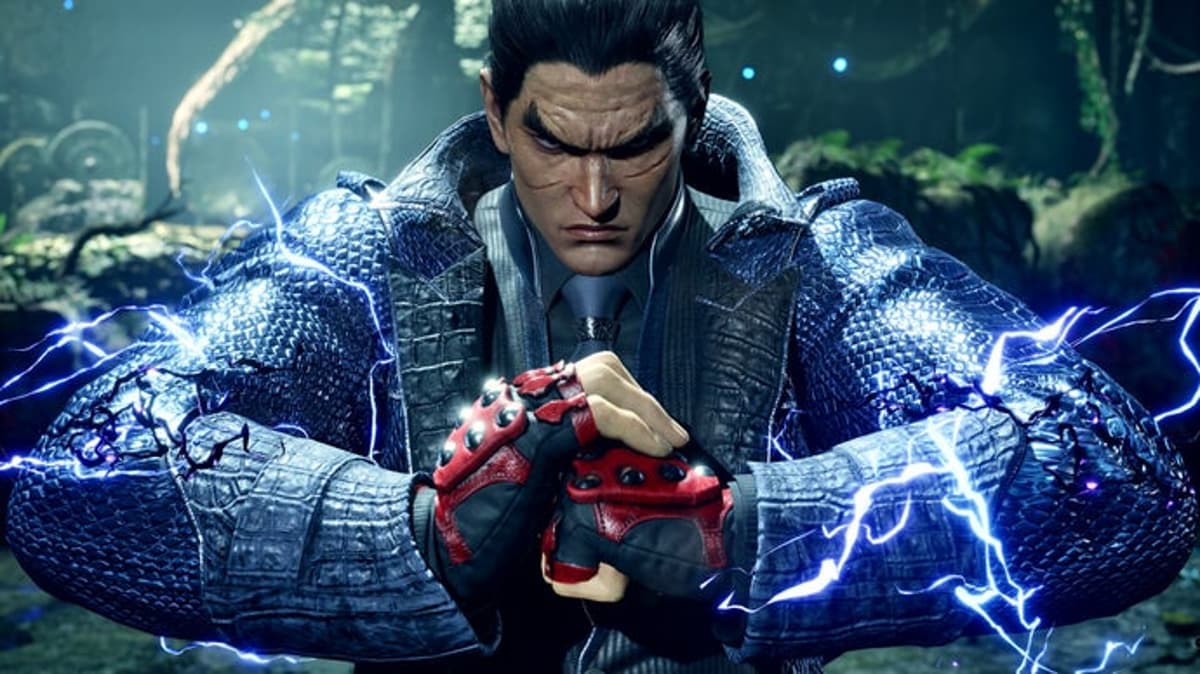
Tekken and Pac-Man Owners Bandai Namco Announce Major Restructure with Investment From Sony
•March 2, 2026
0
Companies Mentioned


Why It Matters
The restructuring signals Bandai Namco’s strategic pivot amid intensifying competition, while Sony’s stake and Nintendo’s studio purchase deepen cross‑platform collaborations that could reshape IP development and distribution.
Key Takeaways
- •Sony acquires 2.5% stake for $464.5M.
- •Bandai Namco reorganizes film, toy, arcade, game divisions.
- •Nintendo to acquire Bandai Namco Studios Singapore.
- •Over 100 employees cut since April 2024.
- •Restructuring announced without immediate layoffs.
Pulse Analysis
Bandai Namco’s sweeping reorganization reflects a broader industry shift as legacy publishers adapt to post‑pandemic market dynamics. After a surge in home‑gaming demand, the company faced a contraction, prompting workforce reductions and project cancellations. By inviting Sony as a minority shareholder, Bandai Namco gains access to PlayStation’s ecosystem, potentially unlocking co‑marketing opportunities for flagship franchises like Tekken and Pac‑Man while diversifying revenue streams beyond traditional arcade and toy segments.
Nintendo’s impending acquisition of Bandai Namco Studios Singapore adds another layer of strategic alignment. The Singapore studio, known for supporting Nintendo’s recent titles, will likely deepen collaborative pipelines, allowing both firms to share development resources and intellectual property expertise. This move could accelerate the rollout of cross‑franchise titles, leveraging Nintendo’s strong first‑party ecosystem and Bandai Namco’s rich catalog of fighting and arcade games, thereby enhancing market reach for both parties.
For investors and industry observers, the combined effect of the restructuring, Sony’s equity infusion, and Nintendo’s studio purchase positions Bandai Namco to streamline operations while capitalizing on strategic partnerships. The company can focus on high‑margin IPs, reduce overhead, and tap into broader distribution channels. However, the success of this strategy hinges on effective integration of new leadership, the ability to deliver compelling next‑gen titles, and maintaining brand relevance in an increasingly crowded entertainment landscape.
Tekken and Pac-Man owners Bandai Namco announce major restructure with investment from Sony
0
Comments
Want to join the conversation?
Loading comments...