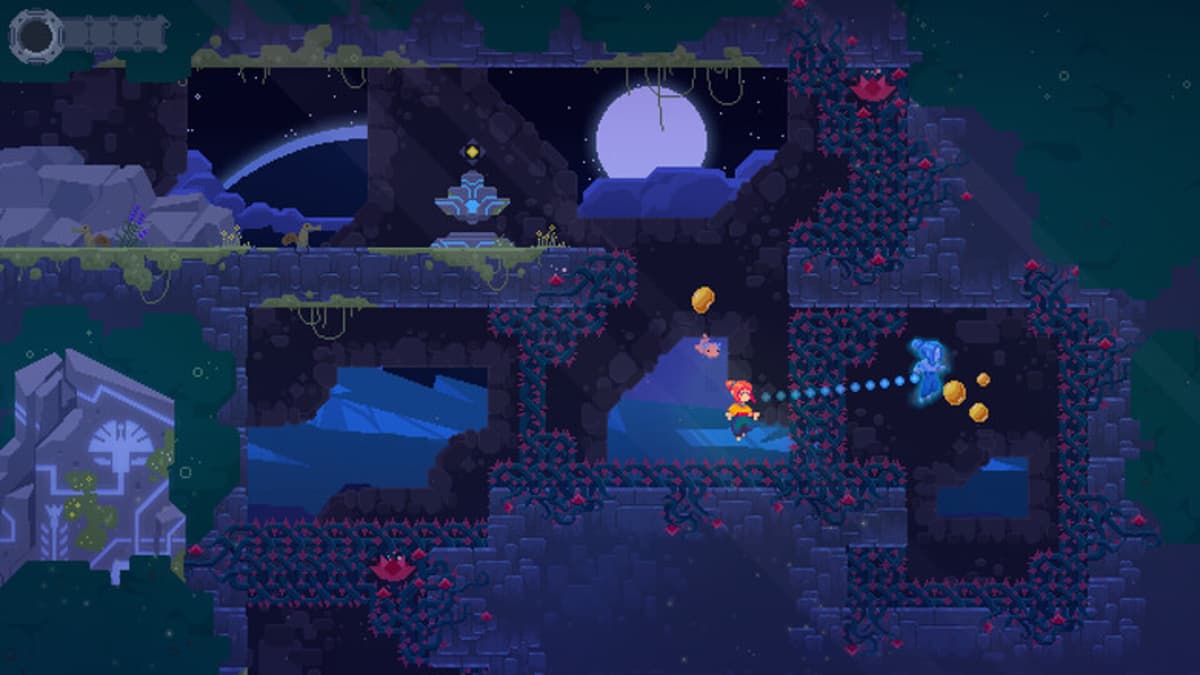
TetherGeist Devlog Gives a Behind-the-Scenes Look at the Switch Porting Process
Companies Mentioned
Why It Matters
TetherGeist expands the Switch’s indie catalog while championing disability representation, setting a benchmark for inclusive design in mainstream platforms.
Key Takeaways
- •TetherGeist launches on Switch May 7, 2026
- •Game spotlights protagonist with motor disability and chronic illness
- •Astral Projection mechanic drives combat‑free precision platforming
- •Frequent checkpoints encourage experimentation and low frustration
- •Inclusive narrative designed with Kickstarter backer input
Pulse Analysis
The upcoming Switch release of TetherGeist underscores a growing trend of indie developers targeting Nintendo’s hybrid console to reach a broader, family‑friendly audience. O. and Co. Games, a studio known for narrative‑driven experiences, leveraged the Switch’s portable nature to enhance the game’s accessibility, allowing players to engage with Mae’s journey in short, on‑the‑go sessions. By sharing a behind‑the‑scenes devlog, the studio not only builds anticipation but also provides transparency about the technical challenges of adapting a PC‑centric engine to Nintendo’s hardware constraints, a move that resonates with both developers and consumers seeking insight into the porting pipeline.
Representation matters, and TetherGeist places it at the core of its design. Featuring a protagonist with a motor disability and chronic illness, the title confronts a long‑standing gap in mainstream gaming where disabled characters are rare or tokenized. Mae’s challenges are woven into gameplay mechanics—her Astral Projection ability transforms perceived limitations into strategic tools, fostering empathy through interactive storytelling. This approach aligns with recent industry pushes for authentic diversity, offering players a nuanced perspective on disability that goes beyond visual cues to affect level design, pacing, and player agency.
From a gameplay standpoint, TetherGeist blends precision platforming with a forgiving checkpoint system, encouraging iterative learning without punitive penalties. The combat‑free focus shifts player attention to timing, momentum, and environmental puzzles, distinguishing it from action‑heavy titles on the Switch. Moreover, the involvement of Kickstarter backers in character and narrative development illustrates a collaborative model where community feedback directly shapes content. As the release date approaches, the game is poised to attract both platformer enthusiasts and advocates for inclusive media, potentially influencing future indie projects to prioritize accessibility and community‑driven design.
TetherGeist devlog gives a behind-the-scenes look at the Switch porting process
Comments
Want to join the conversation?
Loading comments...