Companies Mentioned


Why It Matters
London’s growing presence in open‑world games signals strong market demand for authentic urban environments, influencing licensing deals and development priorities across the industry.
Key Takeaways
- •GTA London introduced 1960s London sandbox
- •Midtown Madness 2 offered early dual‑city sandbox
- •Assassin’s Creed Syndicate delivers detailed Victorian London
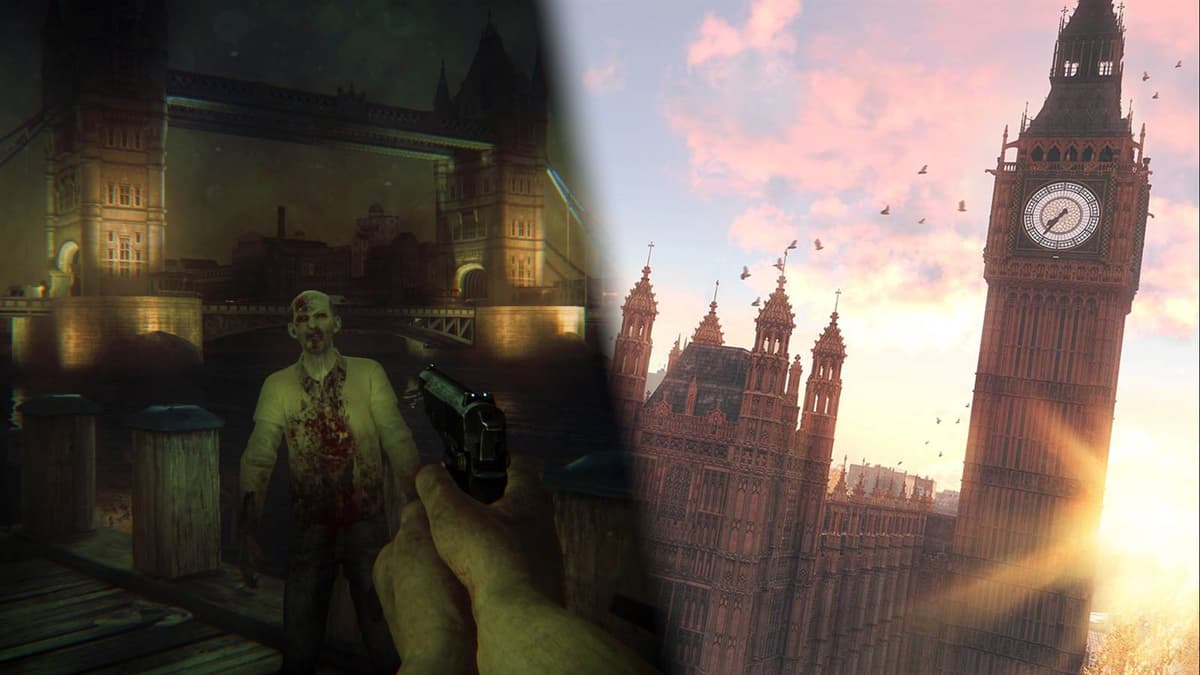
- •Watch Dogs Legion features contemporary London with full landmarks
- •The Getaway pioneered realistic licensed London vehicles
Pulse Analysis
London’s appeal as a gaming backdrop dates back to the late 1990s, when Rockstar’s GTA: London expansion gave players a top‑down glimpse of the capital’s 1960s streets. Those early attempts were modest, but they proved that gamers valued recognizable landmarks and cultural flavor. Subsequent titles like Midnight Club and Midtown Madness 2 expanded the concept, offering rudimentary sandbox experiences that hinted at the potential for more immersive city simulations.
The real breakthrough arrived with modern engines capable of rendering dense, historically accurate environments. Ubisoft’s Watch Dogs: Legion mapped contemporary London with near‑photographic precision, while Assassin’s Creed: Syndicate recreated Victorian London down to tube stations and iconic architecture. These games demonstrate how detailed urban design enhances narrative depth and player agency, driving higher engagement and longer play sessions—key metrics for publishers seeking sustained revenue streams through DLC and live‑service models.
Looking forward, the success of London‑centric open worlds points to lucrative opportunities in emerging technologies. Developers can leverage high‑resolution city scans, procedural generation, and cloud‑based streaming to deliver ever‑larger, more interactive versions of the capital. Partnerships with city authorities and heritage organizations may unlock exclusive data, while VR and AR experiences could transform London’s streets into immersive playgrounds for both gamers and tourists, expanding the market beyond traditional console audiences.
The Best Open-World Games Set In London
0
Comments
Want to join the conversation?
Loading comments...