Companies Mentioned
Why It Matters
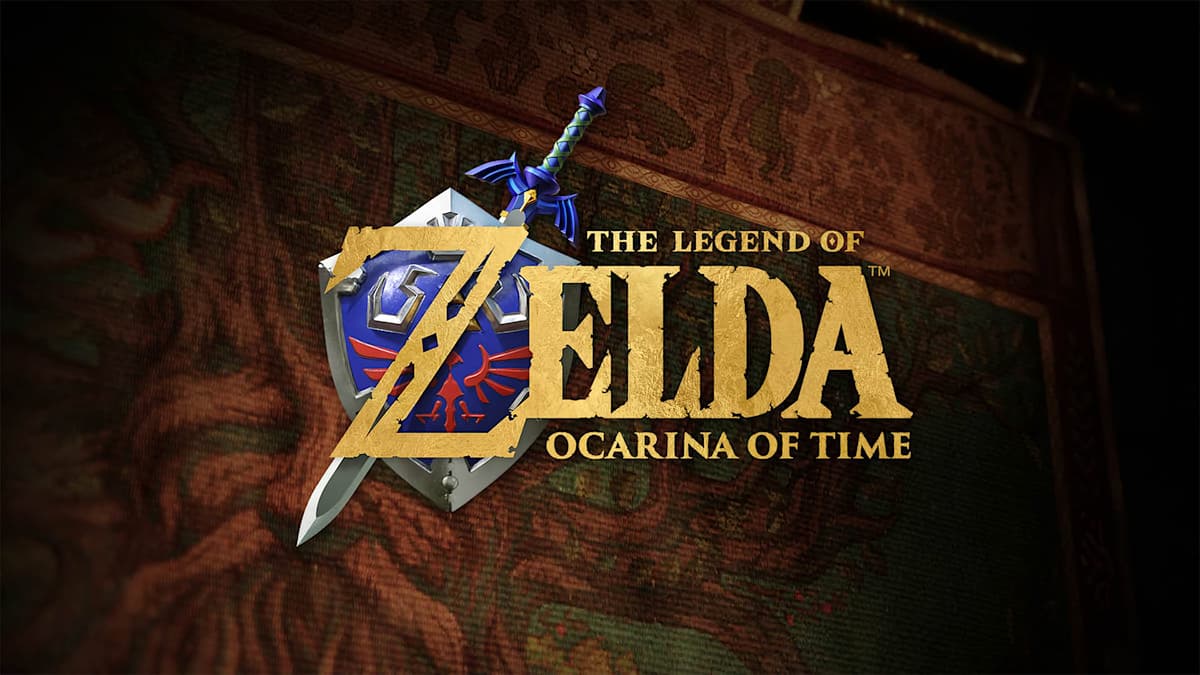
The remake leverages nostalgia to drive early Switch 2 adoption and expands Nintendo’s revenue pipeline, while reinforcing the brand’s iconic franchise in a competitive market.
Key Takeaways
- •Ocarina of Time remake confirmed for Switch 2
- •Teaser trailer released, no launch date announced
- •Remake expected to include visual and gameplay upgrades
- •Nintendo targets nostalgia to boost Switch 2 sales
Pulse Analysis
The Legend of Zelda remains Nintendo’s flagship adventure series, and Ocarina of Time is widely regarded as one of the most influential games of all time. Since its original 1998 release on the Nintendo 64, the title has been reissued on the GameCube, Wii Virtual Console, and as part of the Nintendo Switch Online classic library, each iteration extending its lifespan. The decision to produce a full‑scale remake for the next‑generation Switch 2 follows a successful pattern set by recent updates such as Tears of the Kingdom and the Skyward Sword HD, demonstrating Nintendo’s confidence in polishing legacy IP for modern audiences.
From a business perspective, the Ocarina of Time remake serves as a strategic anchor for the Switch 2 ecosystem. Early‑adopter hype can translate into pre‑order momentum, especially as the teaser highlights familiar melodies and iconic environments that resonate with both longtime fans and newcomers. Analysts project that legacy‑title remakes can contribute up to 10 percent of a console’s software revenue in its first year, a margin that helps offset hardware development costs. By bundling the remake with launch promotions or subscription tiers, Nintendo can further deepen its recurring revenue streams.
Consumer expectations will be high; the original’s pioneering 3D design set a benchmark that modern gamers compare against today’s photorealistic standards. Nintendo must balance faithful recreation with meaningful enhancements—such as refined combat, expanded side quests, and adaptive difficulty—to avoid criticism of a superficial facelift. If executed well, the remake could spark a wave of similar projects, reinforcing a broader industry trend of revitalizing classic catalogues. Ultimately, Ocarina of Time’s rebirth may not only boost Switch 2 sales but also cement Nintendo’s reputation for turning nostalgia into sustainable growth.
The Legend of Zelda: Ocarina of Time remake announced
Comments
Want to join the conversation?
Loading comments...