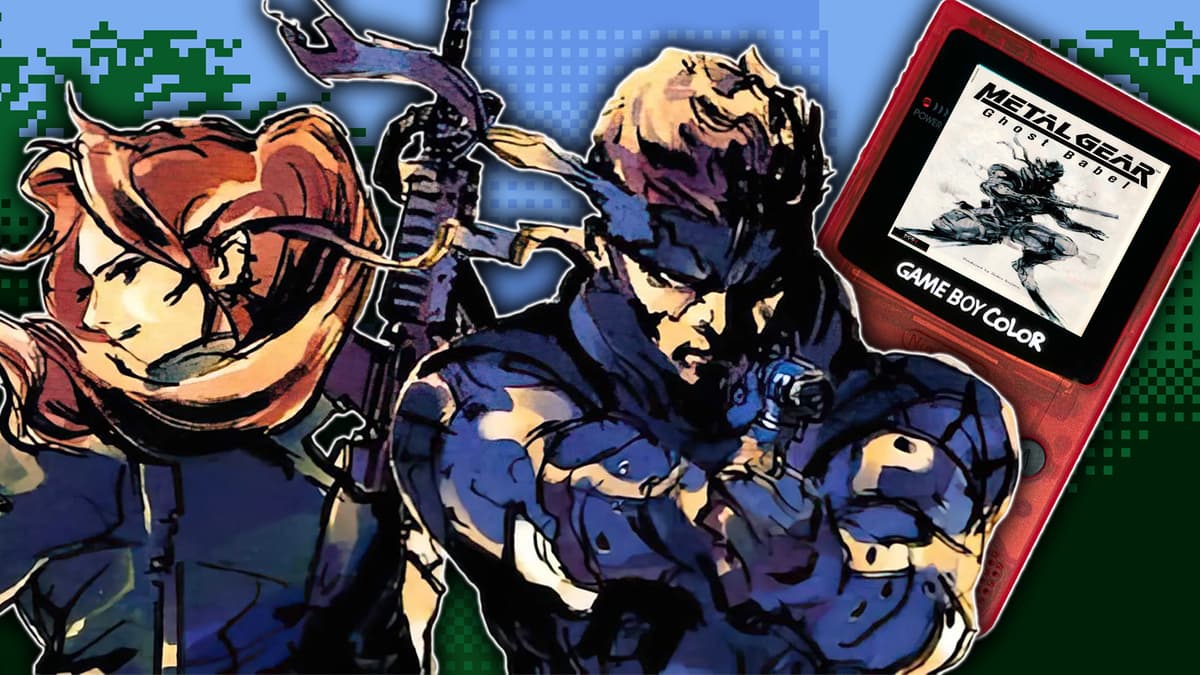
The Most Underrated Metal Gear Solid Game Turns 26, but You've Probably Never Played It
Companies Mentioned
Why It Matters
Ghost Babel’s revival highlights the growing demand for retro game preservation and expands the Metal Gear franchise’s reach on modern platforms, reinforcing Konami’s legacy stewardship.
Key Takeaways
- •Ghost Babel released 1999 for Game Boy Color, now 26 years old
- •Developed by Hideo Kojima's team, directed by Shinta Nojiri
- •Introduced diagonal movement and smooth scrolling, ahead of its era
- •Features music by Norihiko Hibino, praised for Game Boy sound
- •Launching on Switch via Metal Gear Solid: Master Collection Vol 2
Pulse Analysis
When Konami answered a European request for a portable Metal Gear experience, Hideo Kojima’s studio delivered Ghost Babel for the Game Boy Color in 1999. The title reimagined the original 1987 MSX2 adventure, positioning Solid Snake against a new iteration of Big Boss while abandoning the console’s polygonal expectations. By leveraging the handheld’s limited palette and processing power, the team crafted fluid diagonal movement and a scrolling engine that felt ahead of its time, setting a technical benchmark for handheld stealth games.
Beyond its mechanics, Ghost Babel’s audio design stands out. Composer Norihiko Hibino squeezed rich, atmospheric tracks from the Game Boy’s modest speaker, delivering melodies like “Intimidation” that still resonate with fans. The game’s visual identity, shaped by artist Ikuya Nakamura, echoed the texture work of the PlayStation 1 era, creating a bridge between early pixel art and later 3D aesthetics. Its experimental nature inspired subsequent spin‑offs such as Metal Gear Acid on the PSP, cementing its influence despite never being considered core canon.
The upcoming inclusion of Ghost Babel in the Metal Gear Solid: Master Collection Vol 2 for Nintendo Switch marks a pivotal moment for retro preservation. Modern features—remappable controls, visual enhancements, and a rewind function—address past accessibility hurdles while introducing the title to a generation accustomed to seamless digital distribution. For Konami, the release serves both as a goodwill gesture to longtime enthusiasts and a strategic move to monetize legacy IP in a crowded indie‑friendly marketplace. As the franchise looks toward future entries, revisiting its underrated roots may inform new design directions and reaffirm the brand’s enduring relevance.
The most underrated Metal Gear Solid game turns 26, but you've probably never played it
Comments
Want to join the conversation?
Loading comments...