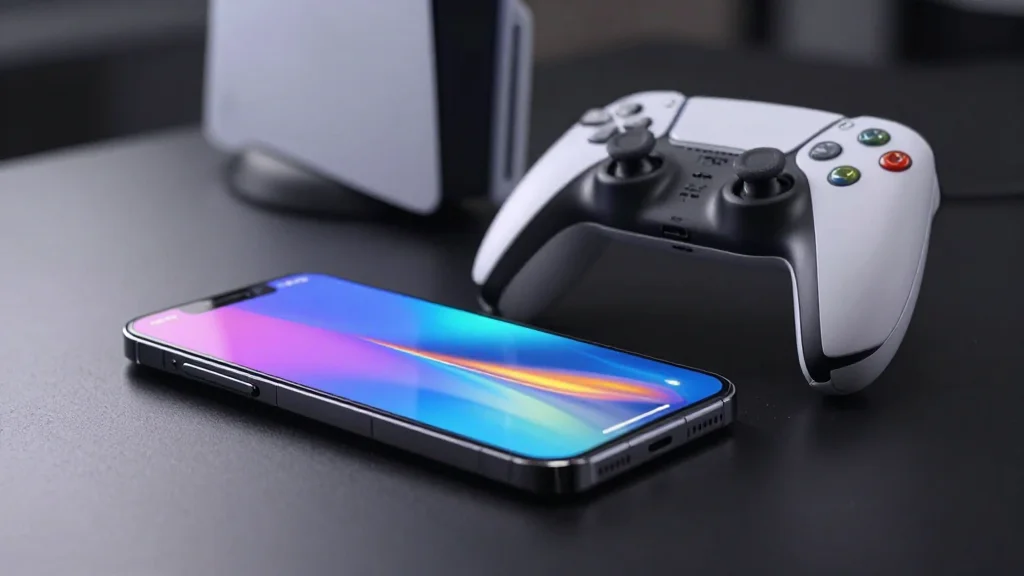
There Were No Mobile Games at Summer Game Fest, and for Good Reason
Companies Mentioned
Why It Matters
The omission highlights a strategic split between mobile’s performance‑marketing model and traditional showcase‑driven promotion, reshaping how the sector gains visibility and influences industry narratives.
Key Takeaways
- •Summer Game Fest featured only two mobile‑compatible titles: Wuthering Waves, Fortnite.
- •Mobile publishers deem costly showcase spots low ROI compared to user‑acquisition spend.
- •Supercell had to pay extra to place Squad Busters trailer at SGF.
- •Core SGF audience consists of hardcore console/PC gamers skeptical of mobile games.
- •Mobile firms prefer targeting events like GDC, Gamescom, TGS over SGF.
Pulse Analysis
The absence of dedicated mobile titles at Summer Game Fest isn’t accidental; it reflects a long‑standing tension between the event’s brand and the mobile market’s economics. Unlike console and PC developers who rely on high‑visibility launches to drive hype, mobile studios allocate the bulk of their budgets to data‑driven user‑acquisition (UA) campaigns that can be measured in real time. Paying hundreds of thousands for a trailer slot that reaches an audience largely uninterested in mobile experiences offers a poor return, prompting publishers like Supercell to negotiate extra fees just to secure a fleeting glimpse.
For mobile publishers, the trade‑off is clear: invest in scalable UA channels—social ads, influencer partnerships, and performance marketing—rather than gamble on a showcase that may not translate into installs. This pragmatic approach has propelled games such as Pokémon Go and Monopoly Go to billions of downloads without ever needing a marquee event debut. Meanwhile, the core SGF demographic—hardcore gamers who gravitate toward immersive, high‑budget titles—often views mobile games with skepticism, reinforcing the perception gap and limiting organic coverage from mainstream gaming media.
Looking ahead, mobile’s visibility will likely continue to thrive at industry gatherings that align with its performance focus, such as GDC, Gamescom, and TGS, where developers can network with UA partners and showcase innovative monetization models. Unless SGF repositions its audience or offers measurable ROI metrics for mobile, the sector will remain under‑represented, reinforcing a pragmatic divide that shapes both marketing spend and the broader narrative of what constitutes “gaming” in the mainstream.
There were no mobile games at Summer Game Fest, and for good reason
Comments
Want to join the conversation?
Loading comments...