"They Were Totally Game to Play Ball": How Zachtronics Almost Made a Star Trek Engineering Sim
Companies Mentioned

Why It Matters
The story highlights how licensing barriers can force indie studios to reinvent concepts, underscoring the commercial risk of relying on high‑profile IP and the creative upside of original titles. It also signals sustained demand for deep, systems‑focused puzzle games among a niche but dedicated audience.
Key Takeaways
- •Coincidence released U.V.S. Nirmana, a Zach‑like engineering puzzler.
- •Game began as a licensed Star Trek TNG engineering simulation.
- •Licensing costs and corporate politics blocked Star Trek and The Orville deals.
- •Developers pivoted to original monastic spacecraft narrative with philosophical puzzles.
- •The project illustrates indie studios’ reliance on original IP for creative freedom.
Pulse Analysis
Zachtronics built a reputation on intricate, systems‑driven games that reward optimization and logical creativity. When the studio’s founders left to form Coincidence, they revived an abandoned pitch for a Star Trek: The Next Generation engineering simulator, envisioning players as junior engineers fine‑tuning warp cores. The concept fit perfectly with Zachtronics’ design DNA, promising a niche yet passionate audience of puzzle enthusiasts who relish the minutiae of efficiency gains. However, the allure of a beloved franchise came with a steep price tag and a labyrinth of rights holders, from Paramount’s film division to CBS’s television catalog, complicating any straightforward deal.
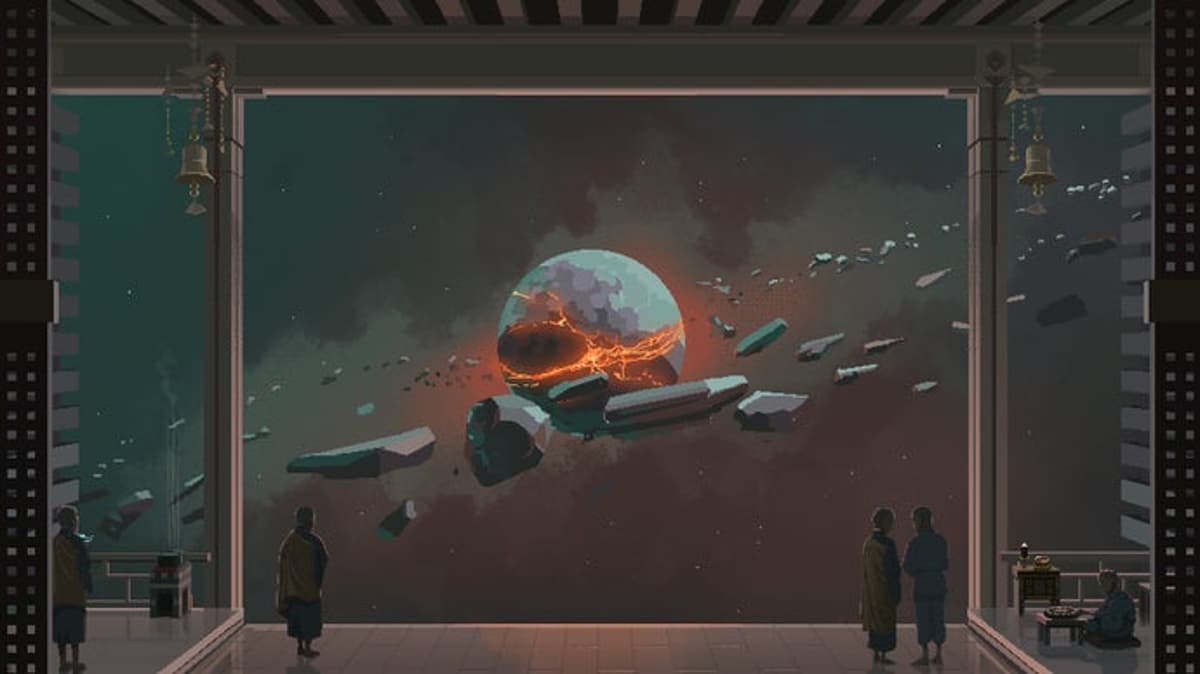
The licensing maze deepened after Disney’s acquisition of Fox, which held the rights to Seth Macfarlane’s The Orville. Disney’s internal restructuring meant the studio faced shifting priorities, inflated fees, and an ambiguous path to approval. Even a later offer to base the game on the animated series The Lower Decks fell flat, as the developers felt the tone clashed with their adult‑oriented puzzle focus. Confronted with these obstacles, Coincidence chose to abandon external IP altogether, channeling the engineering core into an original universe where a monastic starship navigates philosophical dilemmas through a music‑sequencer‑style reactor.
U.V.S. Nirmana emerges as a case study in indie resilience: by converting a blocked licensed concept into a wholly new intellectual property, the team retained the sophisticated gameplay that defines Zachtronics while sidestepping costly legal entanglements. The game’s release signals that there remains a viable market for high‑complexity, systems‑focused titles, especially when they offer fresh narrative hooks. For other studios eyeing licensed sci‑fi projects, the lesson is clear—secure rights early, budget for potentially prohibitive fees, and always have an original fallback that can preserve the core design vision.
"They were totally game to play ball": how Zachtronics almost made a Star Trek engineering sim
Comments
Want to join the conversation?
Loading comments...