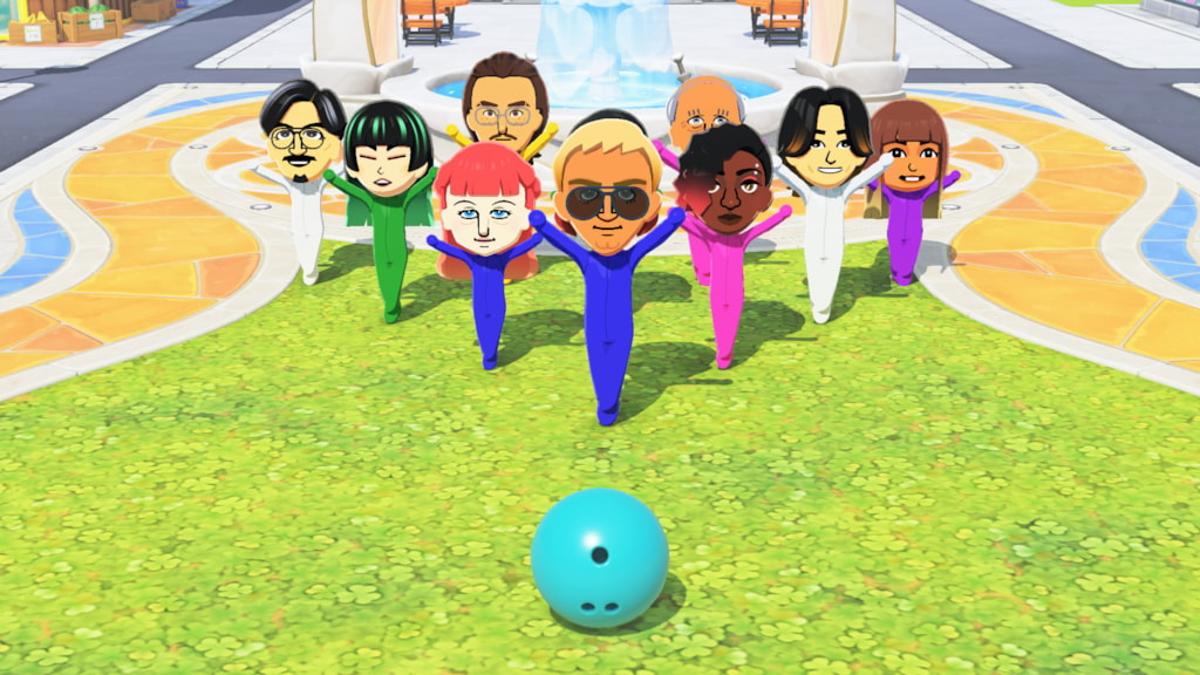
Tomodachi Life: Living the Dream Was in Development for Almost a Decade
Companies Mentioned
Why It Matters
The prolonged development underscores Nintendo's commitment to reinventing legacy IPs with modern, community‑driven features, potentially setting a new standard for social simulation games on the Switch.
Key Takeaways
- •Development began circa 2017, spanning nearly ten years.
- •Director Ryutaro Takahashi and producer Yoshio Sakamoto drove the project.
- •Focus shifted to user‑generated content rather than item expansion.
- •Game launches on Nintendo Switch April 16, 2026.
Pulse Analysis
The Tomodachi Life franchise, first introduced on the Nintendo 3DS in 2013, carved a niche by letting players simulate everyday life with whimsical Mii characters. While the original title enjoyed modest commercial success, it never reached the cultural ubiquity of titles like Animal Crossing. By reviving the series for the Switch, Nintendo is tapping into nostalgia while aiming to capture a broader audience that values casual, socially oriented gameplay. This strategic move reflects a broader industry trend of leveraging established IPs to fill gaps in the mid‑tier market.
A defining shift for Living the Dream is its emphasis on user‑generated content (UGC). Early development targeted a one‑and‑a‑half‑year rollout for creation tools, but the scope expanded dramatically, consuming six to seven years of engineering effort. This pivot mirrors the growing importance of community‑driven ecosystems, where player creativity sustains long‑term engagement and reduces the need for constant content patches. By prioritizing robust UGC, Nintendo hopes to differentiate the sequel from its predecessor’s item‑heavy approach and avoid the “quantity over quality” trap that can dilute brand value.
From a business perspective, the timing aligns with Nintendo’s push to diversify its Switch library beyond flagship franchises. A socially focused title with strong viral potential can drive eShop traffic, encourage cross‑title promotions, and generate ancillary revenue through downloadable content. Moreover, the game’s release positions Nintendo to compete more directly with Animal Crossing’s seasonal updates, offering an alternative that leans into humor and player agency. If the UGC framework proves successful, it could become a template for future Nintendo projects, reinforcing the company’s reputation for innovative, player‑first experiences.
Tomodachi Life: Living the Dream was in development for almost a decade
Comments
Want to join the conversation?
Loading comments...