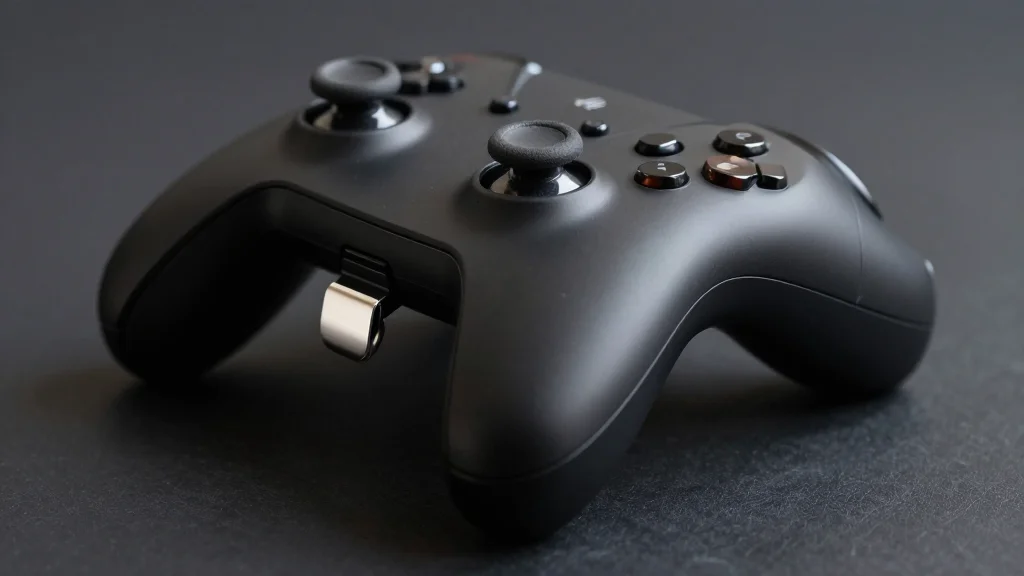
Valve Launches $99 Steam Controller and Revives Steam Machine Hardware

Companies Mentioned

Why It Matters
Valve’s hardware resurgence could reshape the PC gaming landscape by blurring the line between traditional consoles and PC setups. The Steam Controller’s integration with Steam Input offers a level of customization that most console controllers lack, potentially redefining how developers design control schemes for PC‑first titles. Moreover, the Steam Machine, if launched at a competitive price, would give gamers a single‑box solution for 4K/60 fps gaming without the need for a separate PC, challenging the dominance of console manufacturers and expanding Valve’s revenue beyond software sales. A successful hardware ecosystem would also reinforce Valve’s control over the Steam platform, giving it leverage in negotiations with developers and hardware partners. Conversely, delays or tepid consumer uptake could reaffirm the difficulty of hardware ventures for software‑centric companies, echoing the original Steam Machine’s failure. The outcome will influence how other software firms approach peripheral and console development in the coming years.
Key Takeaways
- •Valve releases the 2026 Steam Controller at $99, shipping May 4, 2026
- •Controller adds dual thumbsticks, two trackpads, gyro, and a magnetic charging puck
- •Steam Machine preview promises 4K/60 fps gaming, 512 GB‑2 TB SSD options
- •Valve positions the controller for couch‑friendly PC gaming, not competitive esports
- •Launch timing and pricing of the Steam Machine remain uncertain due to memory shortages
Pulse Analysis
Valve’s re‑entry into the peripheral market is a calculated gamble that leans on its unrivaled software distribution network. The Steam Controller’s design choices—dual sticks, trackpads, and a gyro—address the original’s most common criticisms while preserving the unique input paradigm that made the 2015 model a cult favorite. By pricing the controller at $99, Valve avoids the premium‑controller trap and instead targets power users who already own a Steam library and want a more ergonomic way to navigate it from the couch.
The broader strategic play hinges on the Steam Machine. If Valve can deliver a console‑style PC at a price comparable to a mid‑range gaming rig, it could carve out a niche between the Xbox Series X and high‑end gaming PCs, especially for users who value the flexibility of a full PC OS with a console form factor. However, the lingering supply‑chain constraints that have already delayed the Machine raise doubts about its market readiness. A delayed or overpriced Steam Machine could relegate the controller to a peripheral curiosity, limiting its impact on the broader controller market.
Competitors may respond by tightening their own controller ecosystems—Sony’s DualSense already offers haptic feedback and adaptive triggers, while Microsoft’s Xbox Series X controller continues to dominate PC gaming. Valve’s advantage lies in the depth of Steam Input, which lets developers create per‑game control profiles far beyond what consoles currently support. If developers embrace these capabilities, we could see a wave of PC‑first titles that assume the presence of trackpads and gyro, nudging the industry toward a more hybrid control model. In short, Valve’s hardware push could catalyze a subtle shift: from pure console‑style input toward a more versatile, PC‑centric control ecosystem, provided the Steam Machine materializes to complete the vision.
Valve launches $99 Steam Controller and revives Steam Machine hardware
Comments
Want to join the conversation?
Loading comments...