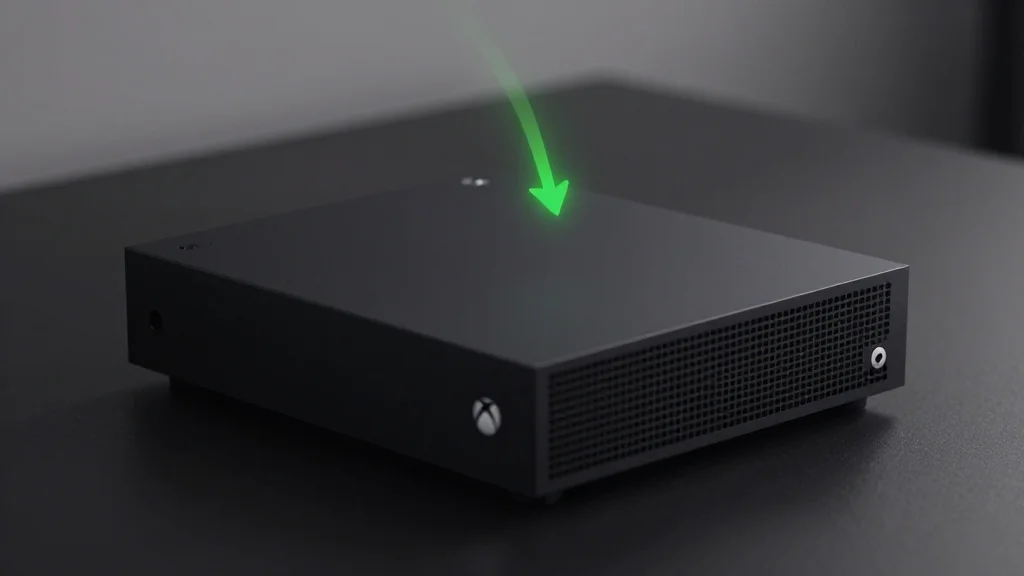
Xbox Hardware Revenue Plunges 33% as New Boss Asha Sharma Confronts Sales Slump

Companies Mentioned
Why It Matters
The 33% hardware revenue decline underscores a fundamental shift in the console market, where subscription services now generate a larger share of gaming income than traditional hardware sales. Microsoft’s response—price cuts, brand refocusing, and a promised next‑gen console—will influence how console manufacturers balance hardware cycles with recurring revenue streams. If Xbox can stabilize its subscriber base while delivering a compelling new console, it may set a template for other platform owners navigating similar macro‑economic headwinds. Furthermore, the leadership change to Asha Sharma highlights the importance of brand identity in a crowded ecosystem. By reverting to the Xbox name and emphasizing affordability, Microsoft is signaling a strategic retreat from the broader "Microsoft Gaming" umbrella, a move that could reshape developer partnerships, exclusivity negotiations, and cross‑platform initiatives such as the Discord‑Game Pass collaboration.
Key Takeaways
- •Xbox hardware revenue fell 33% YoY in Q3 FY2026, the steepest decline since the Series X launch.
- •New Xbox chief Asha Sharma pledged to "earn every player today and into the future" and announced a $7‑month Game Pass price cut.
- •Satya Nadella said Microsoft is doing "foundational work required to win back fans" across its consumer portfolio.
- •Analysts estimate Xbox shipments are now under 34 million units, far behind PlayStation 5's 100 million‑plus sales.
- •Project Helix, the next‑gen console slated for 2027, is positioned as the key catalyst to reverse the hardware slump.
Pulse Analysis
Microsoft’s Xbox division is at a pivotal inflection point. The 33% hardware revenue contraction is not merely a seasonal dip; it reflects a structural realignment where subscription services eclipse console sales as the primary profit driver. This mirrors broader industry trends, as evidenced by Sony’s continued reliance on the PlayStation brand and Nintendo’s focus on low‑cost hardware. Asha Sharma’s early tenure is marked by rapid tactical moves—price reductions, brand re‑centralization, and a clear signal that the next console will be a performance‑first offering under the Project Helix moniker. The success of these moves hinges on two variables: the ability to convert the growing Game Pass subscriber base into hardware demand, and the delivery of exclusive, system‑selling titles.
Historically, console cycles have been anchored by flagship exclusives that justify a hardware upgrade. Microsoft’s recent slate—Avowed, Halo remake, Fable, and Gears of War—has underperformed or faced delayed launches, eroding the traditional halo effect. Without a strong exclusive pipeline, the company must lean on its ecosystem strengths: cross‑play, cloud streaming, and the sheer scale of its services. The price cut to $22.99 for Game Pass Ultimate is a calculated gamble to boost subscriber churn, but it also compresses margins. If the subscriber growth outpaces the hardware decline, Microsoft could sustain profitability while buying time for Project Helix.
Looking forward, the 2027 console launch will be the litmus test for Sharma’s strategy. A successful hardware rollout could re‑energize the Xbox brand, attract new developers, and restore confidence among investors wary of the current revenue trajectory. Conversely, a tepid launch would cement the narrative that Microsoft’s gaming future is now service‑centric, potentially reshaping the competitive dynamics with Sony and Nintendo. The next quarter’s earnings, coupled with early consumer response to the Game Pass price cut, will provide the first concrete data points on whether Microsoft can reverse the hardware slide and re‑establish Xbox as a viable console contender.
Xbox hardware revenue plunges 33% as new boss Asha Sharma confronts sales slump
Comments
Want to join the conversation?
Loading comments...