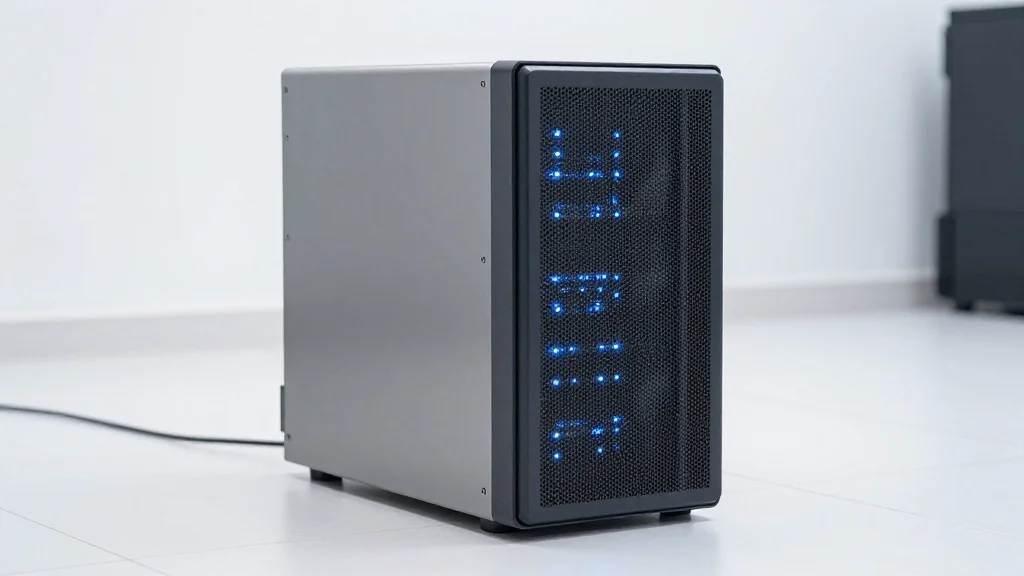
Alibaba Launches Zhenwu M890 AI Accelerator and Panjiu AL128 Supernode Server

Companies Mentioned

Why It Matters
Alibaba's entry into the AI accelerator market signals a shift toward domestic chip development in China, aiming to insulate its cloud services from U.S. export controls. The Zhenwu M890's claimed performance gains could narrow the gap with Nvidia's offerings, but limited production capacity may blunt its impact on the global AI hardware supply chain. If Alibaba can overcome manufacturing constraints, it could provide Chinese enterprises with a home‑grown alternative to Nvidia GPUs, reshaping competitive dynamics and potentially spurring further investment in indigenous semiconductor fabs. Conversely, failure to scale could reinforce reliance on foreign technology, sustaining the current geopolitical tension over AI hardware access.
Key Takeaways
- •Alibaba's T‑Head unveiled the Zhenwu M890 accelerator with 144 GB on‑chip memory and 800 GB/s inter‑chip bandwidth.
- •The M890 claims three‑fold performance over the Zhenwu 810E predecessor.
- •Only 560,000 Zhenwu chips have been fabricated to date, far below Nvidia's projected multi‑million GPU shipments.
- •The Panjiu AL128 Supernode packs 128 accelerators per rack and offers petabyte‑per‑second internal bandwidth.
- •T‑Head's ICN Switch 1.0 provides up to 25.6 Tbps aggregate bandwidth across 64 accelerators.
Pulse Analysis
Alibaba's hardware rollout reflects a broader Chinese policy to achieve self‑sufficiency in AI compute. By bundling the M890 accelerator with a purpose‑built supernode, the company is not just selling silicon but an integrated solution tailored for agentic AI workloads, a niche that demands ultra‑low latency and massive concurrency. This vertical integration mirrors strategies employed by Nvidia and Google, suggesting Alibaba aims to compete on both performance and system architecture.
However, the stark production figure—560,000 chips—highlights a structural bottleneck. Advanced node access remains the Achilles' heel for Chinese chipmakers, as U.S. sanctions limit their ability to tap TSMC or Samsung's leading fabs. Without a domestic fab capable of sub‑7nm processes, Alibaba's accelerators may lag in power efficiency and density, limiting their appeal beyond the Chinese market. The company's success will therefore depend on either breakthroughs in local manufacturing or strategic partnerships that can bridge the technology gap.
In the short term, Alibaba's announcement may boost investor confidence in its cloud division, offering a narrative of technological independence. Yet, the real test will be whether the M890 and Panjiu AL128 can be produced at scale and deliver the promised performance in real‑world AI workloads. If they do, we could see a new competitive tier emerge, forcing Nvidia and its allies to reassess pricing and supply strategies in Asia. If not, the hardware will remain a symbolic gesture, underscoring the difficulty of building a sovereign AI ecosystem under current geopolitical constraints.
Alibaba Launches Zhenwu M890 AI Accelerator and Panjiu AL128 Supernode Server
Comments
Want to join the conversation?
Loading comments...