Apple Names Its First Foldable iPhone Ultra, Targeting Premium Market

Companies Mentioned
Why It Matters
Apple’s decision to brand its first foldable as iPhone Ultra marks a strategic push into a market that has been dominated by Android manufacturers. By leveraging the Ultra moniker, Apple signals that the device will embody its most advanced hardware, potentially raising consumer expectations for durability and performance across the foldable segment. The move also tests Apple’s ability to command a $2,000+ price premium in a category where price sensitivity has historically limited mainstream adoption. If successful, the iPhone Ultra could accelerate the convergence of smartphones and tablets, prompting competitors to rethink form‑factor boundaries. It may also drive supply‑chain investments in hinge technology and flexible displays, influencing component pricing and availability for the broader industry.
Key Takeaways
- •Apple will market its first foldable phone as iPhone Ultra, a premium model above the Pro line.
- •The device is expected to launch a few weeks after the September iPhone Pro announcement, in limited quantities.
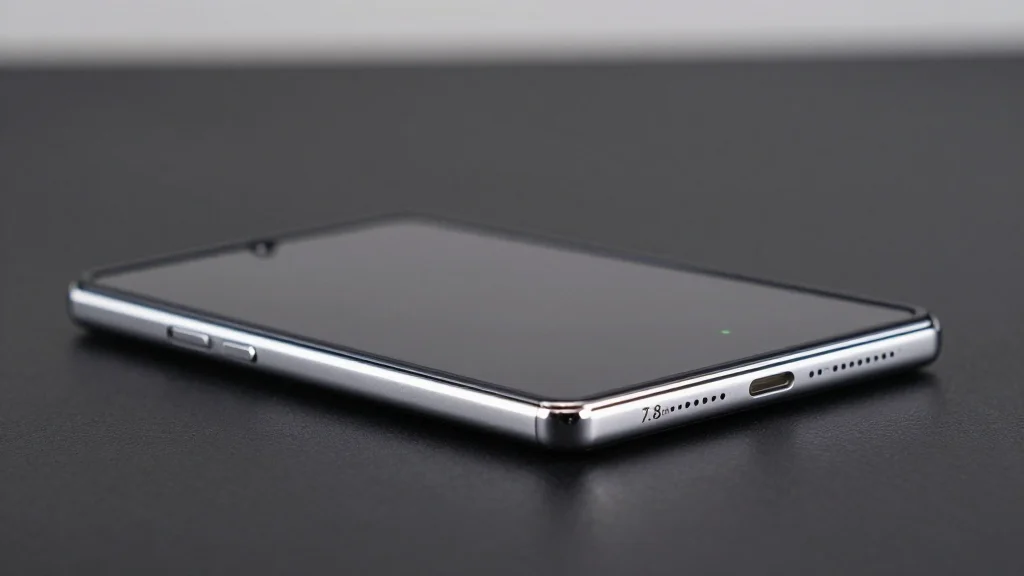
- •Four key selling points: durability, performance, crease‑free display, and a 7.8‑inch interior screen.
- •Price is projected to exceed $2,000, positioning the Ultra at the top of Apple’s pricing hierarchy.
- •Apple’s Ultra branding now spans phones, watches, chips and may soon include a MacBook.
Pulse Analysis
Apple’s entry into the foldable arena is less about catching up with Samsung’s head start and more about redefining the premium segment. By slapping the Ultra badge on its first foldable, Apple is not merely naming a product; it is creating a halo effect that elevates the entire category. Historically, Apple’s Ultra devices—like the Watch Ultra and M1 Ultra—have been differentiated by ruggedness, performance, and a willingness to command a price premium. Applying that same logic to a foldable suggests Apple believes it can overcome the durability stigma that has plagued early foldables and justify a $2,000 price tag.
The strategic timing also matters. Announcing the iPhone Ultra alongside the Pro models, yet shipping it later, allows Apple to gauge market reaction to its flagship lineup before committing large‑scale production. This staggered rollout mitigates risk while still capitalizing on the hype generated by the September event. For Samsung, Apple’s move could be a wake‑up call: the competition will now have to defend not just on hardware specs but on brand loyalty and ecosystem lock‑in. If Apple integrates features like Apple Pencil support, it could create a unique use case that Android foldables have not fully explored, potentially carving out a niche for creative professionals.
Looking ahead, the iPhone Ultra could set a new benchmark for what consumers expect from a foldable—seamless durability, flagship performance, and a truly tablet‑sized experience without sacrificing the iPhone’s core identity. Suppliers will likely see increased demand for high‑precision hinge components and ultra‑thin flexible OLED panels, which could drive down costs over time and make foldables more accessible. In the broader hardware landscape, Apple’s Ultra strategy may herald a wave of premium‑branded sub‑categories across its product lines, reinforcing a tiered ecosystem that extracts higher margins while delivering differentiated experiences.
Apple Names Its First Foldable iPhone Ultra, Targeting Premium Market
Comments
Want to join the conversation?
Loading comments...