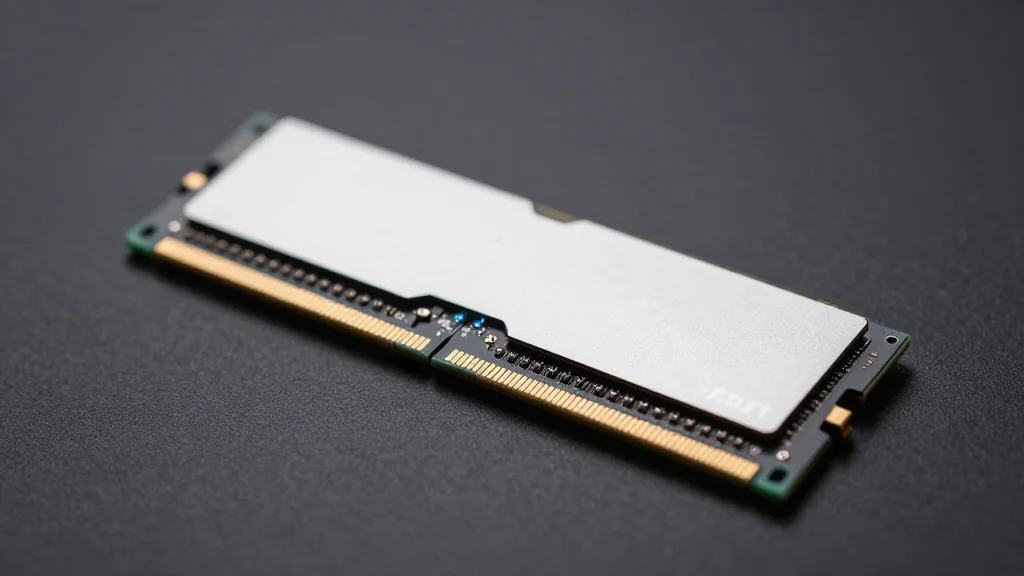
Corsair Samples DDR5 Modules with Chinese CXMT Chips, Signaling Supply Shift

Companies Mentioned
Why It Matters
Diversifying RAM sourcing to include Chinese manufacturers could relieve the bottleneck that has driven DDR5 prices to record highs and forced PC builders to delay launches. A successful partnership would also signal to other OEMs that Chinese silicon meets the performance and reliability standards required for high‑end systems, potentially reshaping the global supply chain that has been dominated by Micron, Samsung and SK Hynix for decades. For investors, the move introduces a new competitive variable that could affect the valuation of memory chipmakers and downstream hardware firms. Beyond pricing, the shift has geopolitical implications. By integrating Chinese‑made chips, Western hardware firms may reduce dependence on a narrow set of suppliers, but they also expose themselves to export controls and intellectual‑property concerns. The balance between supply security and regulatory risk will shape strategic decisions across the industry for years to come.
Key Takeaways
- •Corsair photographed with a 16 GB DDR5 stick using CXMT chips, a Chinese supplier.
- •CPU‑Z utility confirms CXMT branding on the memory chips.
- •Serial number ending in “CN” suggests the module is a sample for the Chinese market.
- •Ex‑Samsung semiconductor chief says CXMT is "aggressively expanding" its RAM capacity.
- •If adopted, Chinese chips could ease the DDR5 shortage and pressure incumbent suppliers.
Pulse Analysis
Corsair's tentative foray into Chinese memory silicon is more than a supply‑chain footnote; it is a litmus test for the broader industry's willingness to break the long‑standing tri‑opoly of Micron, Samsung and SK Hynix. Historically, Western OEMs have shunned Chinese fabs over concerns about yield consistency, latency, and geopolitical risk. However, the current RAM shortage—exacerbated by AI workloads that prioritize HBM and DDR5—has forced a reassessment of risk versus reward. By trialing CXMT chips, Corsair is effectively betting that the marginal cost savings and capacity relief outweigh the potential compliance headaches.
The move also dovetails with a macro trend: Chinese semiconductor policy is aggressively subsidizing domestic memory production to achieve self‑sufficiency. CXMT's rapid capacity build‑out, coupled with government incentives, could soon deliver chips that meet or exceed the performance envelope of their Korean and American counterparts. If Corsair validates these chips for mass production, it could trigger a cascade effect, prompting other memory vendors—G.Skill, Kingston, and even larger system integrators—to explore similar pathways. This would dilute the pricing power of the traditional trio and could compress DDR5 price premiums that have persisted since 2023.
Looking ahead, the key variables will be yield reliability and the regulatory environment. Western firms must navigate export‑control regimes that could restrict the flow of Chinese‑made components into certain markets, especially in defense and critical infrastructure. Simultaneously, the AI boom is projected to plateau, freeing fab capacity that Chinese players are eager to capture. The intersection of these forces creates a narrow window—perhaps within the next 12 months—where a successful CXMT‑Corsair partnership could reshape the memory market's supply dynamics and set a precedent for broader adoption of Chinese silicon in high‑performance computing.
Corsair Samples DDR5 Modules with Chinese CXMT Chips, Signaling Supply Shift
Comments
Want to join the conversation?
Loading comments...