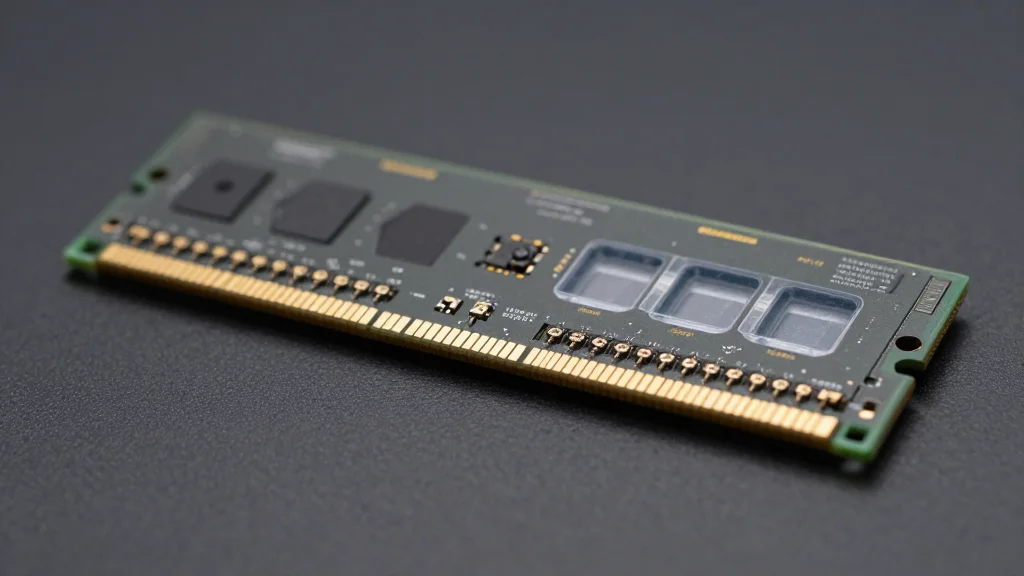
Fake DDR5 Sticks with Dummy Plastic Chips Are the Latest RAM Scam
Companies Mentioned
Why It Matters
The deception threatens enterprise and consumer upgrade cycles by introducing unreliable hardware that can cause system failures, eroding trust in the supply chain during a critical AI‑driven memory shortage.
Key Takeaways
- •Fake DDR5 modules contain plastic chips, no silicon.
- •Scams appear on Japanese second‑hand sites like Yahoo Auctions.
- •DDR5 price surge fuels counterfeit market worldwide.
- •Earlier scams swapped DDR2 or DDR4 parts for DDR5.
- •Corsair now uses sealed clamshell packaging to deter swaps.
Pulse Analysis
The AI boom has turned DDR5 memory into a strategic commodity, pushing average retail prices well above $200 per 16 GB stick. This price pressure squeezes both OEMs and end users, creating a fertile environment for fraudsters who can reap sizable margins by selling inert replicas. Counterfeit hardware not only inflates costs for unsuspecting buyers but also introduces hidden reliability risks that can cascade through data‑center deployments and high‑performance workstations.
The latest scheme involves modules that look authentic at a glance but house hollow plastic or fiberglass placeholders instead of functional DRAM. Because desktop DDR5 sticks are typically covered by a heat spreader, visual inspection is difficult, especially for buyers purchasing through secondary marketplaces where return policies are limited. The counterfeit chips often feature rounded edges, pale outlines, and mismatched gold contacts—subtle cues that only seasoned technicians may notice. When such modules are installed, systems may fail to POST, leading to costly troubleshooting and potential downtime for businesses that rely on rapid provisioning.
Manufacturers are responding by tightening packaging and authentication measures. Corsair, for example, has shifted to sealed plastic clamshells with tamper‑evident labels, making it harder to replace genuine modules with fakes after distribution. Industry observers recommend buyers record unboxing, verify serial numbers against vendor databases, and favor reputable retailers with clear return policies. As memory scarcity persists, robust verification protocols will become essential to safeguard supply‑chain integrity and maintain confidence in high‑value hardware purchases.
Fake DDR5 sticks with dummy plastic chips are the latest RAM scam
Comments
Want to join the conversation?
Loading comments...