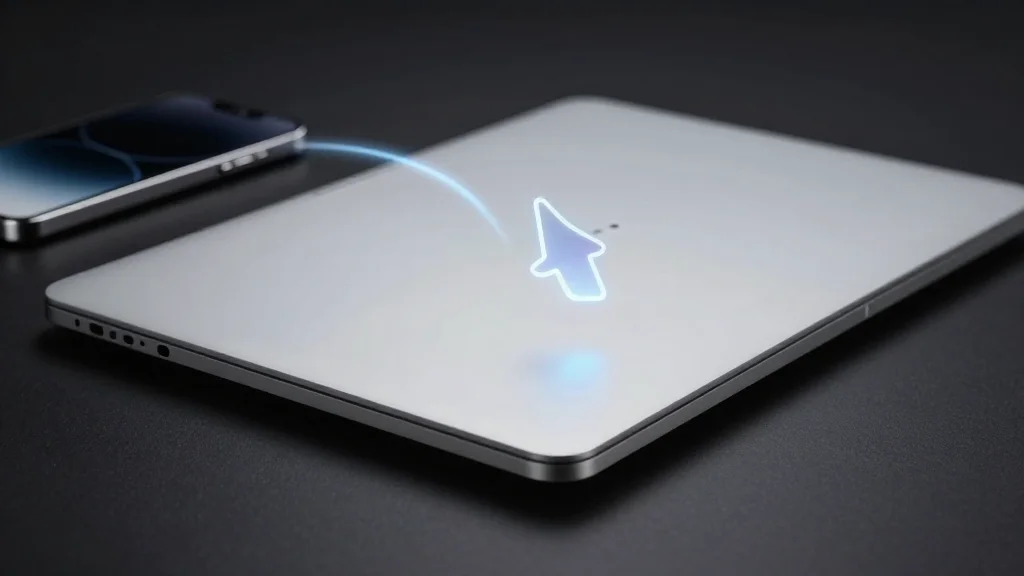
Google Launches Googlebook, a Gemini‑first Android‑ChromeOS Laptop

Companies Mentioned

Why It Matters
Googlebook represents the first major attempt to embed a conversational AI layer directly into the core of a consumer laptop, moving AI from a peripheral app to an operating‑system feature. By unifying Android and ChromeOS, Google gives developers a single platform to target both mobile and desktop users, potentially accelerating app adoption and creating new revenue streams for the ecosystem. The launch also raises the stakes in the premium laptop market, where AI capabilities have become a key differentiator. If Google can deliver a seamless, intent‑driven experience, it could force competitors to accelerate their own AI integration, reshaping how users interact with everyday computing tasks such as scheduling, shopping and content creation.
Key Takeaways
- •Googlebook is a hybrid Android‑ChromeOS laptop designed around Gemini Intelligence.
- •Launch scheduled for fall 2026 with OEM partners Acer, Asus, Dell, HP and Lenovo.
- •Features include Magic Pointer AI cursor, Cast My Apps, Quick Access file browser and custom widgets.
- •Mindy Brooks (VP, Gemini Intelligence) stressed user control and comprehensive AI integration.
- •Analysts view the move as a direct challenge to Apple’s MacBook dominance in the premium segment.
Pulse Analysis
Google's decision to anchor a new laptop line on Gemini Intelligence signals a strategic pivot from hardware‑centric differentiation to AI‑centric value. Historically, Google’s hardware efforts—Pixel phones, Pixelbooks, and the recent Pixel Tablet—have struggled to achieve mass‑market traction, often hampered by limited ecosystem lock‑in. By embedding Gemini at the OS level and partnering with a broad OEM base, Google mitigates the risk of a single‑vendor rollout and taps into established manufacturing and distribution channels.
The Magic Pointer concept could be a game‑changer if it delivers on the promise of intent‑aware interactions. Current AI assistants require explicit voice or text commands; a cursor that surfaces contextual actions based on visual cues could reduce friction and make AI feel like a natural extension of the user’s workflow. This aligns with Google’s broader vision of turning Android into an "intelligence system" rather than a traditional operating system, a narrative reinforced across the Android Show announcements.
From a market perspective, the premium laptop segment is ripe for disruption. Apple’s MacBook line commands a strong brand premium, largely due to its seamless hardware‑software integration and the M‑series chips’ performance. Google’s approach sidesteps the need for a custom silicon race by leveraging its existing AI stack and the flexibility of Android apps. If the user experience lives up to the hype, Google could carve out a niche among power users who prioritize AI productivity over raw CPU benchmarks. However, success will hinge on pricing, battery life, and the maturity of Gemini’s on‑device models—areas where Google has historically lagged behind Apple and Microsoft. The upcoming fall launch will be the first real test of whether AI‑first hardware can translate into consumer demand.
Google launches Googlebook, a Gemini‑first Android‑ChromeOS laptop
Comments
Want to join the conversation?
Loading comments...