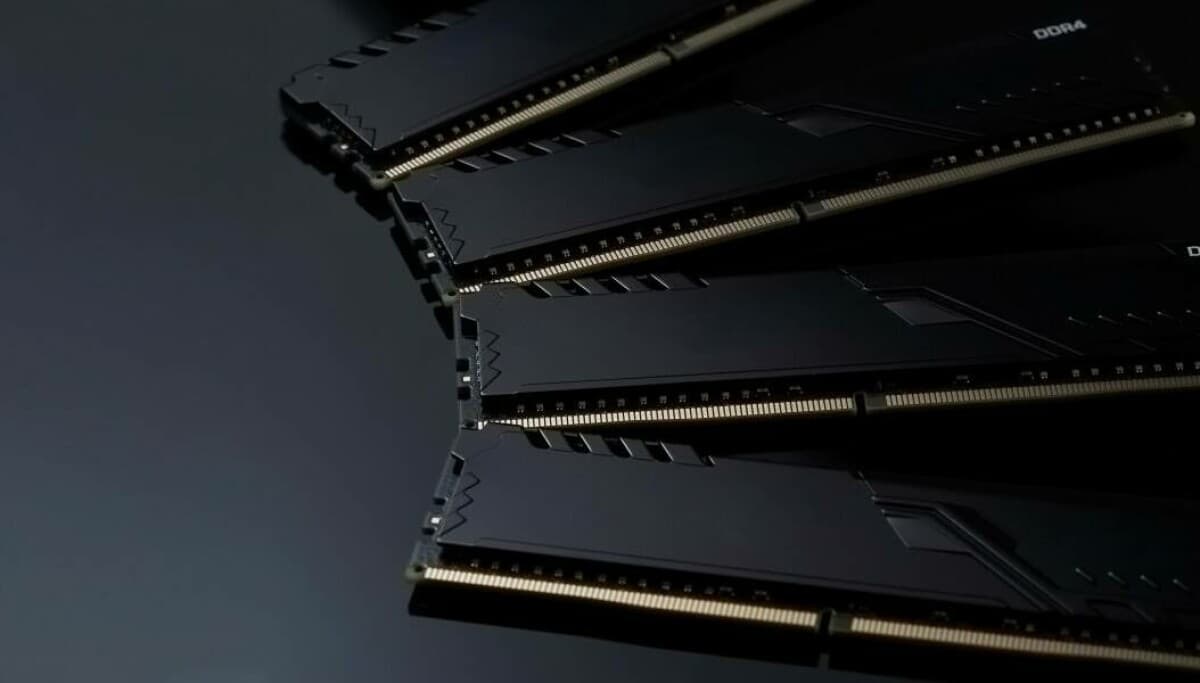
Memory Godboxes Could Offer Relief From the RAMpocalypse

Companies Mentioned
Why It Matters
By turning DRAM into a shared, on‑demand commodity, memory godboxes can lower capital costs and simplify scaling, but rising AI memory demand may keep pressure on the DRAM market.
Key Takeaways
- •CXL 3.0 enables memory sharing across multiple servers
- •512 GB/s bandwidth per CPU with 64‑lane CXL
- •Latency adds ~170‑250 ns, comparable to a NUMA hop
- •Panmnesia, Liqid, UnifabriX offer 100 TB‑plus pools
Pulse Analysis
The chronic DRAM shortage has forced enterprises to rethink how memory is provisioned. Traditional servers rely on locally attached DDR5 modules, but the high cost and limited capacity of these chips have spurred interest in disaggregated memory architectures. Compute Express Link, a PCIe‑based, cache‑coherent interface, has matured over seven years, moving from simple expansion modules in CXL 1.0 to pooled memory in CXL 2.0, and now to true memory sharing in CXL 3.0. This evolution aligns with the broader trend toward composable infrastructure, where compute, storage, and memory can be dynamically allocated to match workload demands.
CXL 3.0 brings two game‑changing capabilities: multi‑switch fabrics and shared memory pools. With up to 64 lanes per CPU, the spec delivers 512 GB/s of bidirectional bandwidth, while latency remains modest at 170‑250 ns—roughly the cost of a single NUMA hop. Security features introduced in CXL 3.1, such as confidential computing enclaves, ensure that shared memory can be isolated when needed. These technical advances mean that servers can offload large key‑value caches and inference state to remote memory without incurring prohibitive performance penalties, opening new possibilities for AI and high‑performance computing workloads.
Market adoption is already underway. Panmnesia’s PanSwitch provides a 256‑lane CXL fabric, while Liqid’s composable platform can pool up to 100 TB of DDR5 across 32 hosts. UnifabriX offers similar capabilities with CXL 1.1/2.0 and roadmaps to 3.2. As AMD and Intel roll out next‑gen Epyc and Xeon processors with native CXL 3.0 support—including Amazon’s Graviton 5—more vendors will introduce memory‑as‑a‑service appliances. However, AI’s voracious appetite for DRAM, especially for KV caches, may sustain demand for high‑capacity memory even as remote solutions mature. Enterprises must weigh the cost savings of pooled memory against the potential for continued DRAM scarcity driven by AI workloads.
Memory godboxes could offer relief from the RAMpocalypse
Comments
Want to join the conversation?
Loading comments...