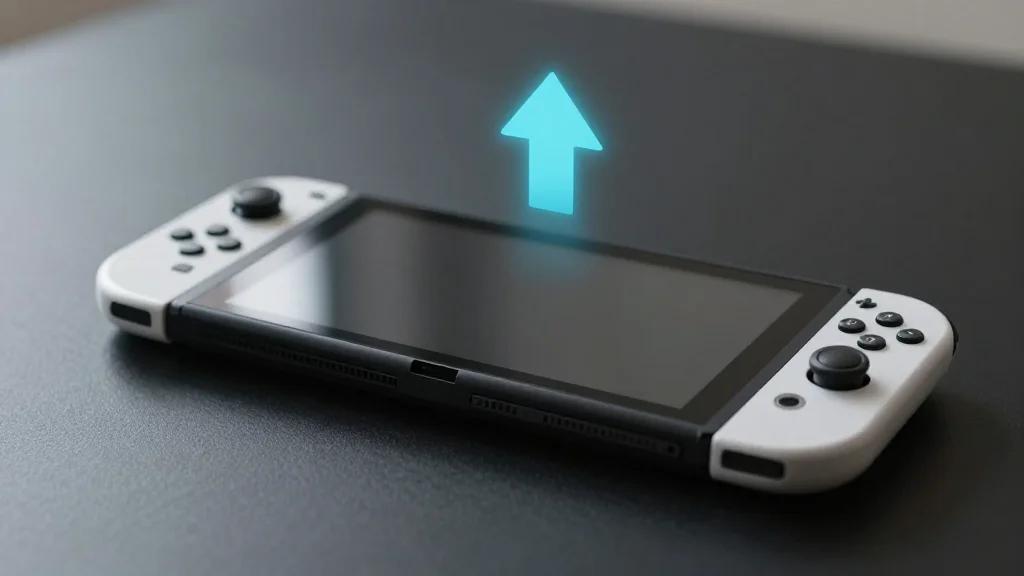
Nintendo Hikes Switch 2 Price Worldwide Amid Memory‑cost Surge, Tariffs

Companies Mentioned
Why It Matters
The Switch 2 price hike highlights how volatile component costs are reshaping the console market. By passing memory‑chip price increases onto consumers, Nintendo signals that even dominant hardware players are not immune to supply‑chain shocks. This could trigger a broader reassessment of pricing strategies across the gaming industry, prompting rivals to either absorb costs or follow suit with higher retail prices. For consumers, the adjustment may accelerate the shift toward subscription‑based gaming models, as players seek value beyond hardware ownership. For investors, Nintendo’s revised profit forecast and pricing decision provide a clearer view of the company’s margin management amid a tightening semiconductor landscape, influencing stock valuations and future earnings expectations.
Key Takeaways
- •Nintendo raises Switch 2 price to $499.99 in the US, ¥59,980 (≈$387) in Japan, €499.99 (≈$540) in Europe
- •Price hikes reflect 10% US, 20% Japan, 6% Europe increases due to memory‑chip cost spikes and tariffs
- •Projected FY2027 net profit to fall 27% to 310 billion yen (≈$1.98 billion)
- •FY2026 net profit rose 52% to 424 billion yen (≈$2.71 billion) on strong launch sales
- •Analysts warn other console makers may face similar pricing pressure as semiconductor costs stay high
Pulse Analysis
Nintendo’s decision to raise Switch 2 prices is a textbook case of a hardware firm navigating a supply‑chain squeeze while protecting its bottom line. Historically, Nintendo has leveraged first‑party exclusives to command premium pricing—think the original Switch’s $299 launch price despite modest specs. This time, the catalyst is external: memory‑chip shortages and tariff hikes that have inflated component bills across the board. By shifting a portion of those costs to consumers, Nintendo preserves gross margins but risks alienating price‑sensitive buyers, especially in markets where competition from Sony’s PlayStation 5 and Microsoft’s Xbox Series X remains fierce.
The move also reflects a strategic bet on the Switch 2’s software pipeline. Upcoming titles like the Star Fox remake and a high‑profile Zelda release are expected to drive continued hardware demand, allowing Nintendo to absorb a higher price point without a proportional drop in unit sales. If the software slate delivers, the price increase could be a net positive for revenue, offsetting the projected 27% profit dip caused by higher operating costs.
From an industry perspective, Nintendo’s price adjustment may set a precedent. As memory costs stay elevated, other console manufacturers could feel pressure to raise prices or find cost‑saving innovations in design and manufacturing. The broader hardware ecosystem—ranging from PC builders to smartphone makers—faces similar dilemmas. Nintendo’s transparent communication about the cost drivers provides a useful benchmark for peers evaluating whether to absorb or pass on such expenses.
In the short term, market reaction will hinge on consumer sentiment and the effectiveness of Nintendo’s promotional tactics. If bundled game offers or limited‑time discounts soften the impact, the price hike may prove a manageable correction. Long‑term, the episode underscores the importance of supply‑chain resilience and diversified component sourcing for hardware firms that wish to maintain pricing power in an increasingly volatile global market.
Nintendo hikes Switch 2 price worldwide amid memory‑cost surge, tariffs
Comments
Want to join the conversation?
Loading comments...