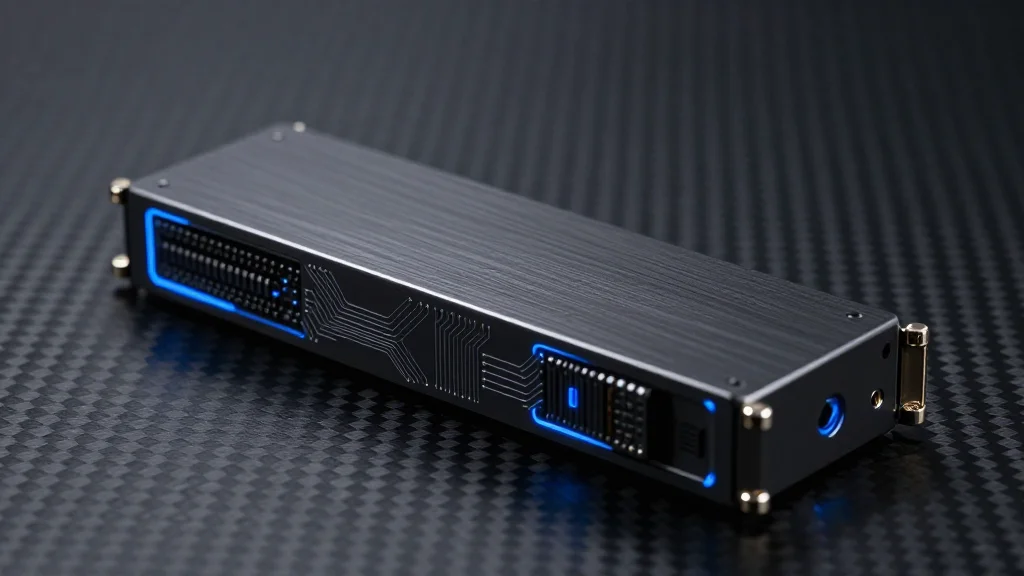
Nvidia Accelerates Vera Rubin AI Chip Rollout with July Shipments and 2026 Mass Production

Companies Mentioned

Why It Matters
The Vera Rubin platform represents the most powerful AI accelerator Nvidia has ever built, and its early deployment signals a rapid expansion of AI compute capacity across the cloud ecosystem. By locking in the biggest North American cloud providers, Nvidia ensures that the next wave of large‑language‑model training and inference will run on its hardware, reinforcing its market share and setting a high barrier to entry for rivals. The timing also aligns with a broader industry shift toward 3nm silicon and next‑generation memory technologies. Successful mass production at this node validates TSMC’s advanced process capabilities and demonstrates that the ecosystem—foundries, ODMs, and memory suppliers—can meet the aggressive schedules demanded by AI workloads. This coordination could accelerate the overall pace of AI innovation, as developers gain access to unprecedented compute density and bandwidth.
Key Takeaways
- •Trial production of Vera Rubin begins in June 2024, with first shipments in July 2024.
- •TSMC started 3nm chip mass production earlier in 2024, ahead of system‑level rollout.
- •Full system production by ODMs (Foxconn, Quanta, Wistron) slated for H2 2024.
- •Large‑scale shipments expected as early as Q3 2026; each rack costs ~ $180 million.
- •SK Hynix and Micron supply 192 GB SOCAMM2 LPDDR5X and HBM4 memory, boosting bandwidth >2×.
Pulse Analysis
Nvidia’s decision to accelerate Vera Rubin’s rollout reflects a strategic bet on the growing demand for ultra‑high‑performance AI infrastructure. By committing to a July 2024 shipment window, the company not only quells market speculation but also secures a revenue pipeline that can offset the massive capital expenditures tied to $180 million racks. This move also underscores Nvidia’s confidence in its supply chain—a critical advantage as competitors scramble to match the performance‑per‑watt gains offered by 3nm silicon and next‑gen HBM4 memory.
Historically, Nvidia’s AI hardware launches have set the tempo for the broader ecosystem, compelling memory vendors, server OEMs, and cloud operators to align their roadmaps. The Vera Rubin platform pushes that dynamic further: its seven‑chip design and NVLink6 interconnect promise an order‑of‑magnitude leap in compute density, which could reshape data‑center economics by reducing the number of physical racks needed for large‑scale model training. This efficiency gain may lower total cost of ownership for cloud providers, potentially translating into more competitive pricing for end‑users of AI services.
Looking forward, the real test will be how quickly Nvidia can translate the announced production capacity into deployed workloads. If the Q3 2026 mass‑shipment target is met without supply hiccups, Nvidia will solidify its position as the de‑facto supplier for the most demanding AI workloads. Conversely, any delay could open a window for AMD’s upcoming MI500 series or emerging Chinese AI chipmakers to capture market share. The upcoming Computex keynote will be a litmus test for Nvidia’s ability to maintain its performance lead while managing the logistical complexities of a $180 million rack ecosystem.
Nvidia Accelerates Vera Rubin AI Chip Rollout with July Shipments and 2026 Mass Production
Comments
Want to join the conversation?
Loading comments...