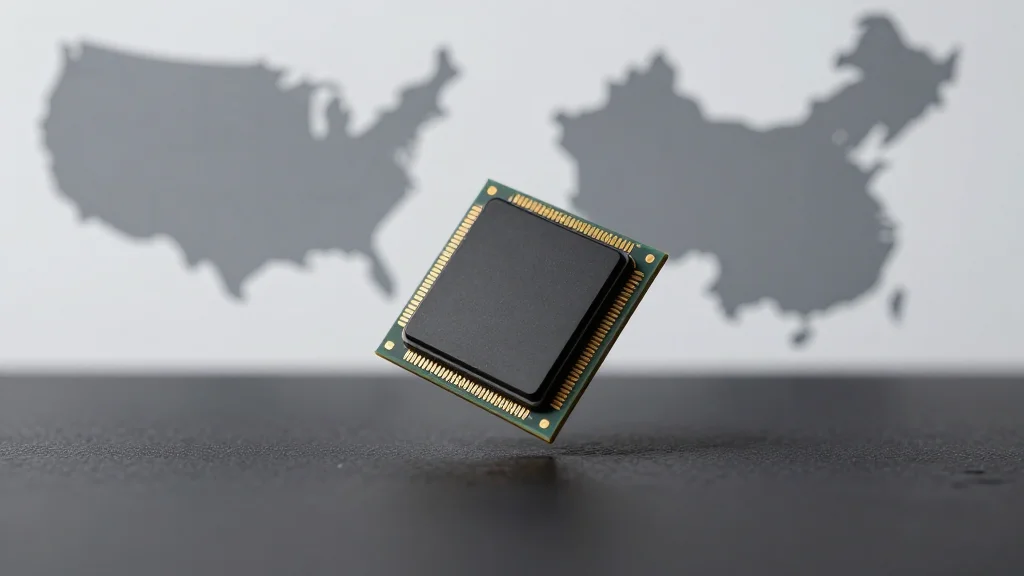
Nvidia’s Huang Wants to Sell Chips to China. Trump Has Other Priorities.
Companies Mentioned

Why It Matters
Huang’s absence underscores growing uncertainty around U.S. chip exports to China, potentially limiting Nvidia’s growth in the world’s largest AI hardware market. The shift could reshape competitive dynamics for all AI‑focused semiconductor makers.
Key Takeaways
- •Huang skips Trump’s China trip, signaling reduced US‑China chip cooperation
- •Nvidia’s AI chip demand fuels recent stock rally despite geopolitical tension
- •White House appears to deprioritize opening Chinese market for U.S. semiconductors
- •Potential Chinese sales restrictions could affect Nvidia’s revenue growth outlook
- •Investors remain bullish on Nvidia’s AI leadership amid policy uncertainty
Pulse Analysis
The United States has long used high‑level diplomatic trips to signal openness to Chinese technology partners, but President Trump’s upcoming visit appears to be losing that focus. Recent export‑control measures and a broader geopolitical tug‑of‑war have made Chinese access to advanced semiconductors a contentious policy issue. By leaving Jensen Huang out of the delegation, the administration is effectively signaling that opening the Chinese market for U.S. chip firms is no longer a top priority, even as it seeks other avenues for trade engagement.
Nvidia remains the poster child for AI‑driven chip demand, with its data‑center GPUs powering everything from large‑language models to autonomous‑vehicle platforms. The company’s revenue has surged, and its stock has rallied on expectations of continued AI adoption. However, China represents a sizable share of the global AI hardware market, and any curtailment of sales could shave billions off projected growth. While Nvidia can still serve Chinese customers through indirect channels, the lack of a direct sales pathway adds a layer of regulatory risk that investors must monitor.
The broader semiconductor ecosystem is watching closely. If the U.S. government deprioritizes market access, rivals such as AMD, Intel, and emerging Chinese firms may scramble to fill the gap, potentially reshaping the competitive landscape. Companies are also diversifying supply chains and seeking growth in regions like Europe and Southeast Asia to hedge against policy volatility. For investors, the key takeaway is that Nvidia’s AI leadership remains strong, but its long‑term upside now hinges more on domestic and allied‑market expansion than on the vast Chinese demand pool.
Nvidia’s Huang Wants to Sell Chips to China. Trump Has Other Priorities.
Comments
Want to join the conversation?
Loading comments...