Potential DLSS 5 References Have Been Found in the Latest Nvidia Driver, but It's All Gone Quiet on the AI Image Enhancement Front
Companies Mentioned
Why It Matters
DLSS 5 could reshape real‑time graphics quality, influencing game developers, hardware buyers, and Nvidia’s competitive edge against rival upscaling solutions.
Key Takeaways
- •Driver adds DLSS NR override options, not full DLSS 5
- •Initial DLSS 5 demo faced backlash over AI image changes
- •Nvidia emphasizes developer creative control for future releases
- •Possible DLSS 5 reveal may occur at Computex 2026
- •Technology may still require high‑end RTX 50 series hardware
Pulse Analysis
Nvidia’s Deep Learning Super Sampling (DLSS) has become a cornerstone of modern PC graphics, evolving from the frame‑generation tricks of DLSS 2 to the more sophisticated temporal and spatial techniques of DLSS 3 and 4. The promised DLSS 5 aims to push the envelope further by employing neural‑rendering to rewrite lighting, textures, and even character features in real time, potentially reducing the need for traditional ray tracing. If delivered, this could deliver photo‑realistic visuals at lower power budgets, a compelling proposition for both high‑end enthusiasts and the broader gaming market.
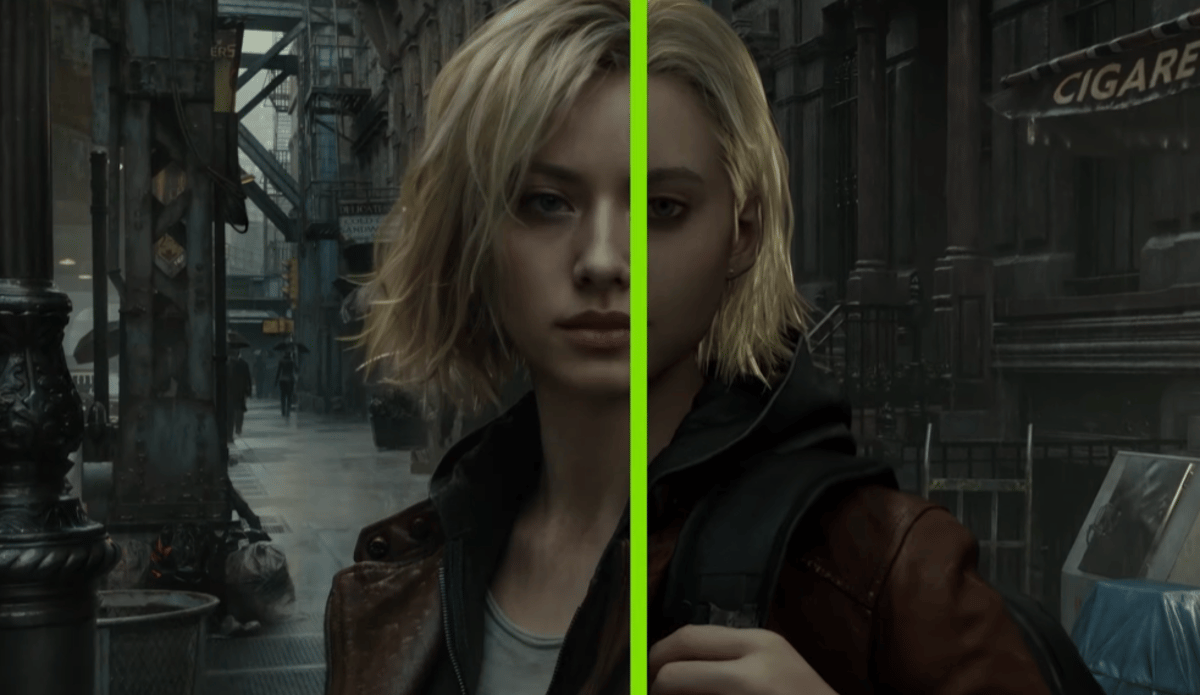
The initial DLSS 5 demonstration, however, ignited a firestorm. Critics argued that AI‑enhanced faces and environments risked erasing artistic intent, with some accusing Nvidia of imposing a homogenized aesthetic. Jensen Huang’s public reassurances—emphasizing developer‑level creative control—have done little to quell the controversy. The recent driver update, spotted by the Guru3D community, adds three profile toggles referencing “DLSS NR” (neural rendering) but does not unlock the full technology. This subtle move signals that Nvidia is quietly iterating on the feature while gauging market sentiment, keeping the conversation alive without committing to a public rollout.
Looking ahead, the timing of a DLSS 5 launch remains uncertain. Early demos required two RTX 5090 cards, hinting at steep hardware demands that could limit early adoption. As AMD’s FidelityFX Super Resolution (FSR) gains traction, Nvidia’s ability to deliver a polished, developer‑friendly version will be crucial for maintaining its dominance in AI‑upscaled graphics. With Computex 2026 on the horizon, industry watchers anticipate a more measured reveal—perhaps a scaled‑down implementation that balances visual ambition with practical performance. The outcome will shape not only the next generation of gaming experiences but also the broader trajectory of AI‑driven rendering across the PC ecosystem.
Potential DLSS 5 references have been found in the latest Nvidia driver, but it's all gone quiet on the AI image enhancement front
Comments
Want to join the conversation?
Loading comments...