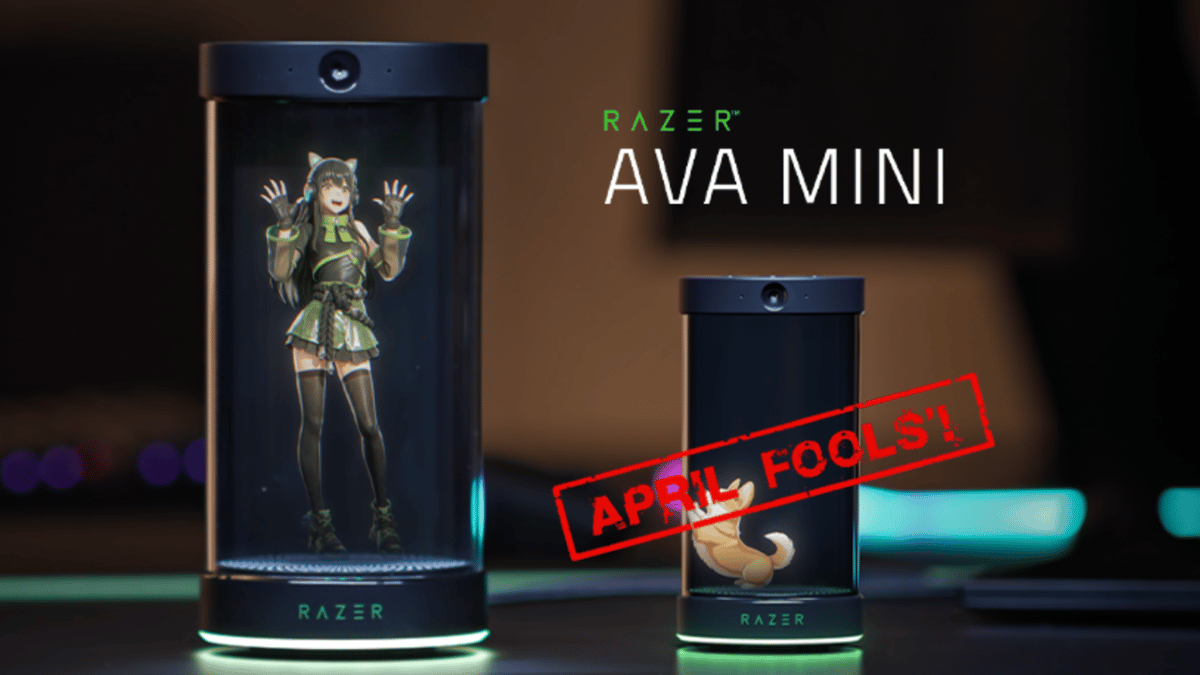
Razer Partners with 'P2P for AI' Network to Deliver over 11,000 Unique Images at Just $0.01 per Generation During Its April Fool's Viral 3D AI Companion Campaign — No Cloud Subscription Needed

Companies Mentioned

Why It Matters
The $0.01 per‑image cost makes large‑scale, free‑to‑use AI experiences financially viable, challenging traditional cloud pricing models. It also signals a shift toward decentralized compute for both consumer and enterprise AI workloads.
Key Takeaways
- •11,000 AI-generated pet companion images produced in five days
- •Image generation cost dropped to $0.01 using Akash’s P2P GPU marketplace
- •No hyperscale cloud subscription required; scaling handled automatically
- •Throughput hit 30 images per minute with 3.24‑second latency
- •Decentralized compute raises reliability questions for enterprise‑critical workloads
Pulse Analysis
The AVA Mini stunt turned a simple April Fool’s joke into a proof‑of‑concept for distributed AI inference. Razer’s users uploaded pet photographs, which were transformed into personalized 3‑D companions by a 4‑billion‑parameter Flux model running on individual RTX 4090 and RTX 5090 GPUs supplied through Akash Network’s peer‑to‑peer marketplace. 15 typical cloud rates. The system automatically provisioned additional AIKit containers as demand spiked, maintaining a steady 30‑image‑per‑minute throughput and sub‑4‑second latency.
This dramatic cost reduction reshapes the economics of consumer‑facing AI services. Brands that previously avoided image‑generation APIs due to expense can now experiment with free, high‑volume experiences, unlocking new engagement channels. The model also demonstrates that complex diffusion models can run on a single consumer‑grade GPU, eroding the perceived advantage of massive hyperscale data centers. As more developers adopt P2P compute marketplaces, we can expect a ripple effect: lower entry barriers, diversified revenue streams, and heightened competition for traditional cloud providers.
Despite the promise, decentralized GPU pools introduce operational uncertainties that matter for mission‑critical applications. Variable hardware performance, intermittent connectivity, and the lack of a single point of control can complicate service‑level guarantees required by enterprises. Razer’s campaign avoided these pitfalls by limiting the use case to a short‑lived marketing event, but scaling to production workloads will demand robust orchestration, monitoring, and fallback strategies. If the ecosystem matures, the blend of low‑cost inference and edge‑proximate compute could become a cornerstone of next‑generation AI deployments.
Razer partners with 'P2P for AI' network to deliver over 11,000 unique images at just $0.01 per generation during its April Fool's viral 3D AI companion campaign — no cloud subscription needed
Comments
Want to join the conversation?
Loading comments...