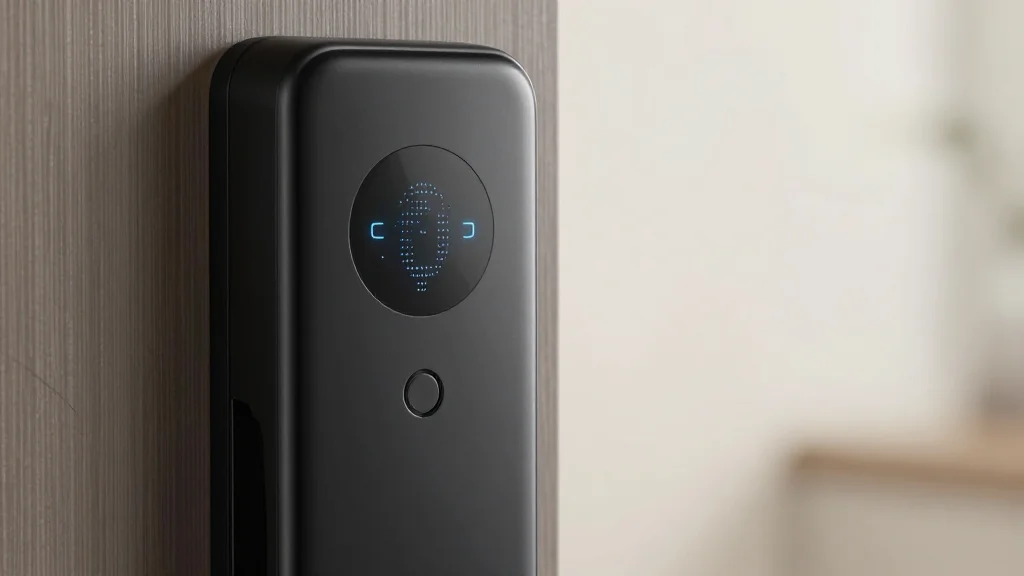
SwitchBot Unveils $170‑$230 Face‑ID Smart Lock with 3D Structured‑Light Recognition

Companies Mentioned
Why It Matters
The Lock Vision series pushes biometric authentication from niche high‑end products into the mass‑market smart‑home segment, potentially reshaping consumer expectations for convenience and security. By embedding 3D structured‑light facial mapping in a sub‑$200 device, SwitchBot challenges the notion that advanced biometrics require expensive hardware, prompting competitors to reconsider price‑performance trade‑offs. Moreover, the on‑device storage and AES‑128 encryption address growing privacy concerns around cloud‑based biometric data, a factor that could influence regulatory scrutiny and consumer trust. As Matter gains traction, the lock’s seamless ecosystem integration may accelerate broader adoption of secure, interoperable IoT devices, reinforcing the importance of hardware‑level security standards across the industry.
Key Takeaways
- •Lock Vision priced at $170; Lock Vision Pro at $230
- •Uses 20,000 infrared points for 3D facial maps with millimeter‑level accuracy
- •Unlocks in ~1 second and resists photo/video spoofing
- •10,000 mAh rechargeable battery lasts ~12 months; CR123A backup for 500 unlocks
- •Supports Matter over Wi‑Fi, palm‑vein, fingerprint, NFC, and geofencing
Pulse Analysis
SwitchBot’s entry into the biometric lock arena arrives at a pivotal moment when the smart‑home market is consolidating around open standards like Matter. The company’s aggressive pricing strategy could democratize high‑security access, forcing incumbents such as August, Yale, and Schlage to either lower prices or accelerate feature rollouts. Historically, biometric locks have suffered from high false‑reject rates and consumer wariness about data handling; SwitchBot’s on‑device encryption and local storage directly address those pain points, potentially setting a new industry baseline.
From a competitive dynamics perspective, the Lock Vision Pro’s multi‑modal approach—combining facial, palm‑vein, and fingerprint—creates a redundancy that may become a de‑facto requirement for premium models. This could spur a wave of hybrid biometric devices, pushing the market toward a "best‑of‑both‑worlds" security paradigm rather than a single‑method focus. However, the technology’s reliance on structured‑light sensors may raise manufacturing costs, and scaling production while maintaining sub‑$200 price points will test SwitchBot’s supply chain resilience.
Looking ahead, adoption will hinge on real‑world performance data. If the millimeter‑level recognition holds up across diverse lighting conditions and user demographics, SwitchBot could capture a sizable share of the projected $2.5 billion market. Conversely, any high‑profile false‑accept incidents could reinforce consumer hesitancy toward facial biometrics. The next six months—marked by firmware updates, Matter certification rollouts, and potential retail partnerships—will be decisive in determining whether SwitchBot’s Lock Vision series merely adds another option to the shelf or redefines the security expectations for everyday homeowners.
SwitchBot Unveils $170‑$230 Face‑ID Smart Lock with 3D Structured‑Light Recognition
Comments
Want to join the conversation?
Loading comments...