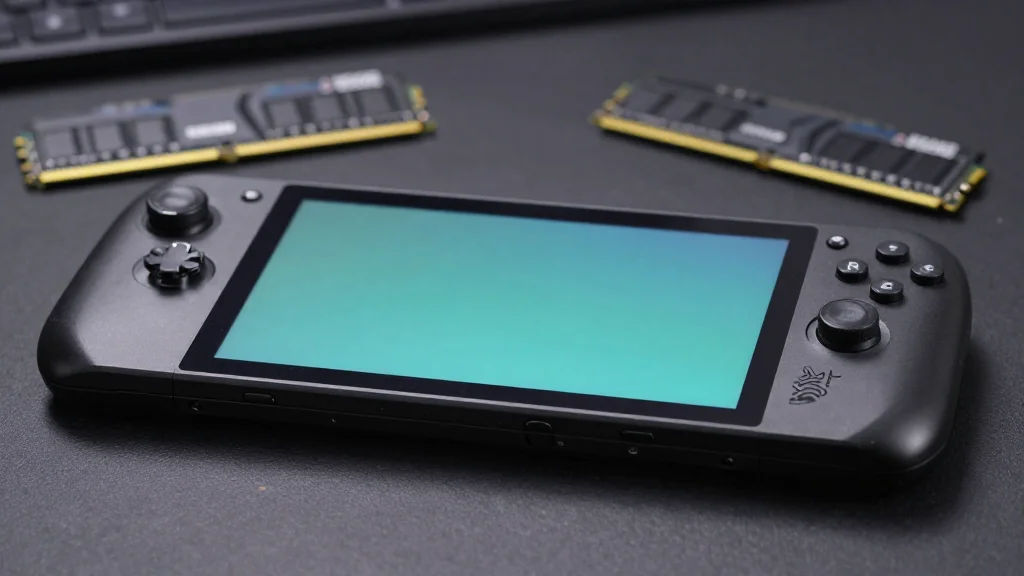
Valve Hikes Steam Deck OLED Price by up to 46% Amid Memory and Storage Shortages

Companies Mentioned

Why It Matters
The Steam Deck’s price surge illustrates how component scarcity, driven by AI‑centric data‑center demand, is reshaping the economics of consumer gaming hardware. As memory and storage costs remain volatile, manufacturers face a trade‑off between preserving margins and preserving the affordability that made handheld PC gaming mainstream. The hike could accelerate a shift toward higher‑priced, premium handhelds or push consumers back to traditional consoles, altering the competitive dynamics between Valve, Nintendo, Microsoft, and emerging Intel‑based devices. For developers, higher entry costs may shrink the pool of casual buyers, potentially reducing the audience for indie titles that rely on the Deck’s low‑cost accessibility. Conversely, the price pressure could spur innovation in cost‑effective component sourcing or drive the adoption of alternative architectures, such as Intel’s Arc G3 chips, which aim to balance performance with a different supply chain footprint.
Key Takeaways
- •Valve increased Steam Deck OLED prices by $240 (512 GB) and $300 (1 TB), a 43%‑46% rise.
- •The hike is attributed to soaring memory (DDR5) and storage (NAND) component costs.
- •Global inventory remains available, with 3‑5 day U.S. delivery estimates.
- •Competing handhelds like Lenovo Legion Go 2 and upcoming Intel‑based devices face similar price pressures.
- •The price jump narrows the Deck’s value gap with premium Windows handhelds and may shift consumer preference toward consoles.
Pulse Analysis
Valve’s decision to raise Steam Deck OLED prices marks a watershed moment for the handheld PC market, which has long relied on the Deck’s aggressive pricing to compete with console incumbents. Historically, Valve’s hardware strategy emphasized volume and ecosystem lock‑in, using low margins to drive Steam adoption on the go. The current component environment, however, forces a recalibration: memory and storage shortages have pushed the cost of the very chips that enable the Deck’s performance beyond the margins that made a $399 price point viable.
From a strategic standpoint, Valve now faces a dilemma. Maintaining price parity with rivals like the Nintendo Switch could preserve its market share but would erode profitability, especially as the company expands its hardware portfolio to include Steam Machines and potentially a next‑gen Deck. Conversely, embracing higher price points positions the Deck alongside premium Windows handhelds, potentially attracting power users but alienating the budget‑conscious segment that fuels indie game sales. The ripple effect may also influence developers’ platform priorities; a smaller install base could reduce the incentive to optimize titles for the Deck’s Linux‑based OS, nudging them toward Windows‑centric handhelds or traditional consoles.
Looking forward, the broader industry signal is clear: component scarcity is no longer a temporary blip but a structural challenge that will shape pricing across the consumer electronics spectrum. Companies that can diversify their supply chains—whether through alternative memory technologies, in‑house silicon, or strategic partnerships—will have a competitive edge. Valve’s next move, whether a new hardware iteration with a different component mix or a pricing strategy that balances cost recovery with market accessibility, will set the tone for the viability of affordable portable PC gaming in an AI‑driven semiconductor era.
Valve hikes Steam Deck OLED price by up to 46% amid memory and storage shortages
Comments
Want to join the conversation?
Loading comments...