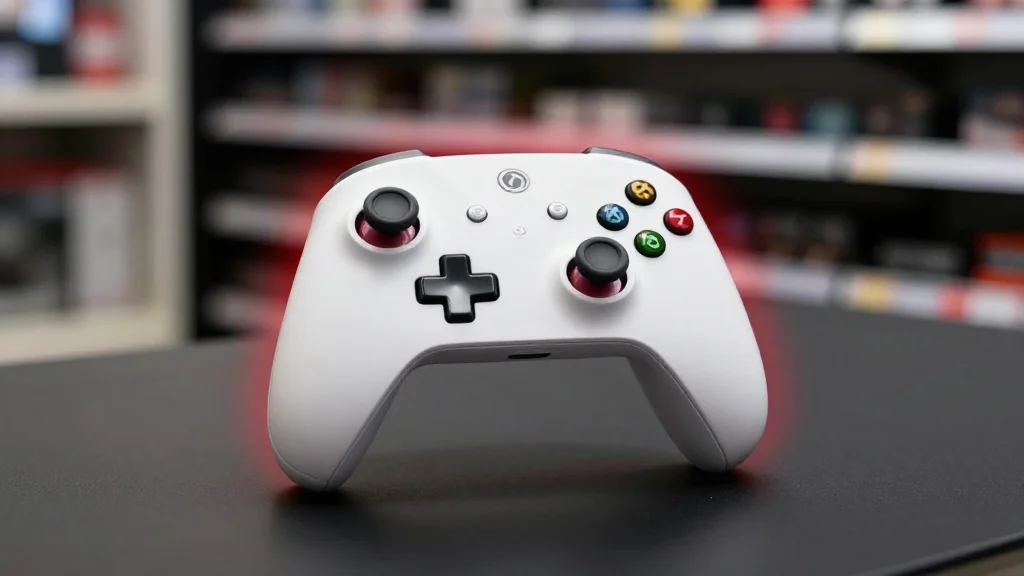
Valve's Steam Controller Sells Out in Minutes, Scalpers Flip at Double Price

Companies Mentioned

Why It Matters
The rapid sell‑out of the Steam Controller highlights the fragile equilibrium between demand forecasting and manufacturing capacity in the PC gaming hardware sector. A shortage not only frustrates end users but also fuels a lucrative secondary market that can erode brand loyalty. Valve’s handling of the restock—and any anti‑scalper mechanisms it adopts—will influence consumer confidence in its upcoming hardware lineup, including the Steam Machine and Steam Frame, and could pressure rivals to adopt similar safeguards. Moreover, the episode illustrates how even established companies with deep supply‑chain experience can be blindsided by enthusiastic communities. As gaming hardware becomes increasingly integrated with digital ecosystems, the ability to manage inventory, curb bot purchases, and communicate transparently will be a competitive differentiator.
Key Takeaways
- •Valve's $99 Steam Controller sold out within minutes of launch on May 5, 2026.
- •Resale listings on eBay are exceeding $200, a 100%‑200% markup.
- •Valve announced on Bluesky it is working to restock but gave no timeline.
- •Engineers Cardinali and Yang said production "knobs" can be turned to increase output.
- •Shipping estimates doubled from 3‑5 days to 6‑10 days as inventory ran dry.
Pulse Analysis
Valve’s miscalculation underscores a broader trend: hardware firms are increasingly vulnerable to demand spikes that outpace traditional forecasting models. The Steam Controller’s design—lacking complex components like RAM or storage—should, in theory, allow rapid scaling, yet the company’s admission of a finite production ceiling reveals hidden bottlenecks in supplier contracts and assembly line inertia. This suggests that even “simple” peripherals require a nuanced supply‑chain strategy, especially when a brand’s community is as vocal and eager as Steam’s.
The scalper phenomenon adds another layer of complexity. The immediate price inflation on secondary markets not only deprives genuine gamers but also creates a feedback loop that inflates perceived demand, potentially prompting over‑production later. Valve’s silence on anti‑bot measures may be strategic, avoiding the operational overhead of a priority‑queue system, but it also risks alienating its core user base. Competitors like Nintendo have already demonstrated that purchase‑gate mechanisms can mitigate scalping without alienating casual buyers, a playbook Valve might soon emulate.
Looking ahead, the controller’s shortage could serve as a litmus test for Valve’s upcoming hardware announcements. If the company can swiftly replenish stock and communicate a clear timeline, it may preserve momentum for the Steam Machine and Steam Frame launches. Failure to do so could erode trust and give rivals an opening to capture market share in the premium PC controller niche, a segment currently dominated by Xbox and PlayStation accessories. Valve’s next communication will be closely watched as an indicator of how agile the company can be when demand outstrips supply.
Valve's Steam Controller Sells Out in Minutes, Scalpers Flip at Double Price
Comments
Want to join the conversation?
Loading comments...