Department of Justice Officially Reschedules Marijuana: What Truckers Need to Know
Key Takeaways
- •DOJ moved marijuana to Schedule III, but only FDA‑approved products qualify
- •CDL drivers still face career‑ending consequences from any positive THC test
- •Federal tests detect THC metabolites up to 30 days, hindering driver compliance
- •Prescription access requires years of clinical trials and FDA approval
- •Marijuana arrests fell 75% since 2010, yet hiring shortages persist
Pulse Analysis
The Department of Justice’s decision to reclassify marijuana as a Schedule III substance marks a symbolic step toward federal acceptance of its medical uses. By limiting the change to FDA‑approved formulations and state‑licensed medical products, the administration avoids a blanket legalization that could disrupt existing drug‑control frameworks. This nuanced shift mirrors President Biden’s earlier calls for broader de‑criminalization while preserving the regulatory authority of agencies like the DEA and FDA. For businesses, the move opens a narrow corridor for research and potential pharmaceutical development, but it does not yet translate into market‑wide availability.
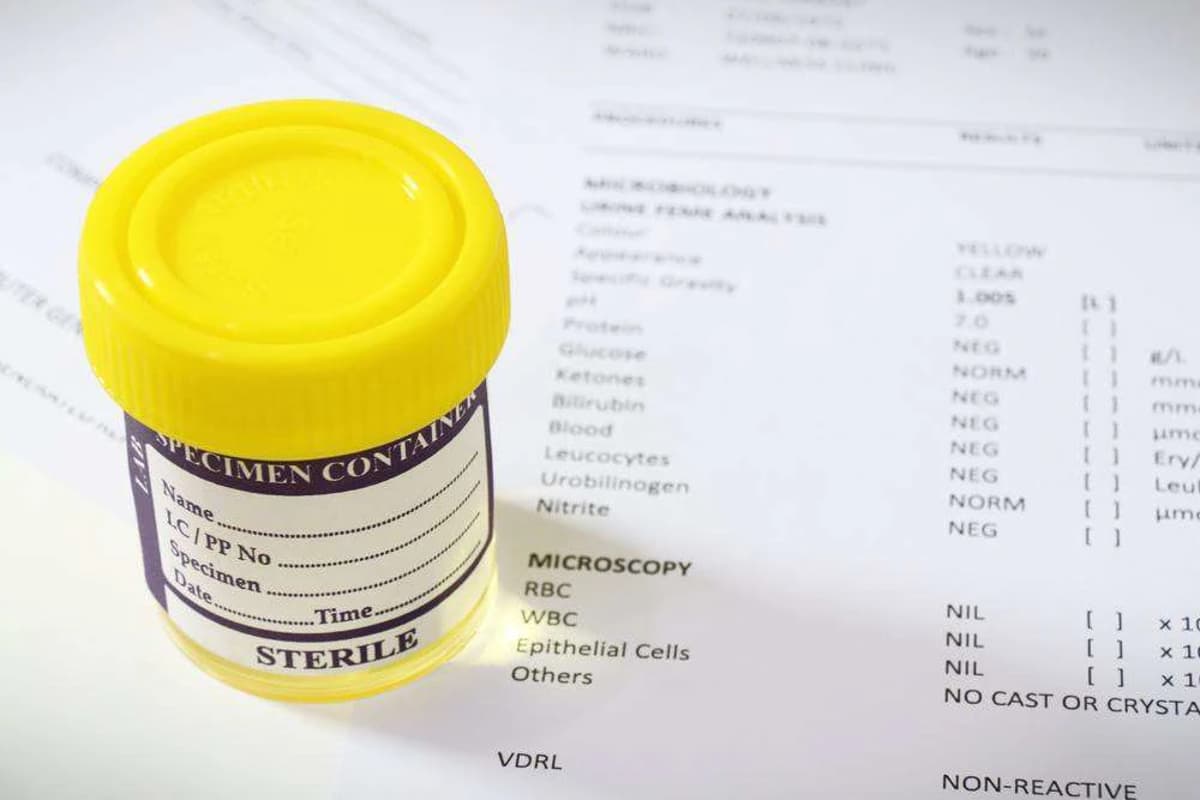
For the trucking industry, the practical implications are stark. Commercial drivers remain subject to the Federal Motor Carrier Safety Administration’s zero‑tolerance stance on THC, and standard urine tests can detect metabolites for up to a month. The inability of most testing methods to differentiate active impairment from residual presence means that even occasional, off‑duty use can trigger job‑ending consequences. As a result, carriers continue to grapple with high turnover and staffing shortages, with 144,000 drug‑and‑alcohol clearinghouse entries flagging marijuana as the leading positive result. Stakeholders are calling for more precise testing technologies, such as breathalyzers, to focus on real‑time impairment rather than historical use.
Looking ahead, the path to a usable prescription for drivers is long and uncertain. Clinical trials required for FDA approval can span several years, and any eventual product would likely be subject to strict prescribing guidelines, possibly including physician attestations that the drug does not affect driving ability. Meanwhile, the broader trend shows a dramatic decline in marijuana arrests—down 75% since 2010—indicating shifting public attitudes. However, until regulatory agencies provide clear guidance and testing methods evolve, truckers should treat the rescheduling as a symbolic gesture rather than an operational relief, maintaining vigilance to protect their careers.
Department of Justice officially reschedules marijuana: What truckers need to know
Comments
Want to join the conversation?