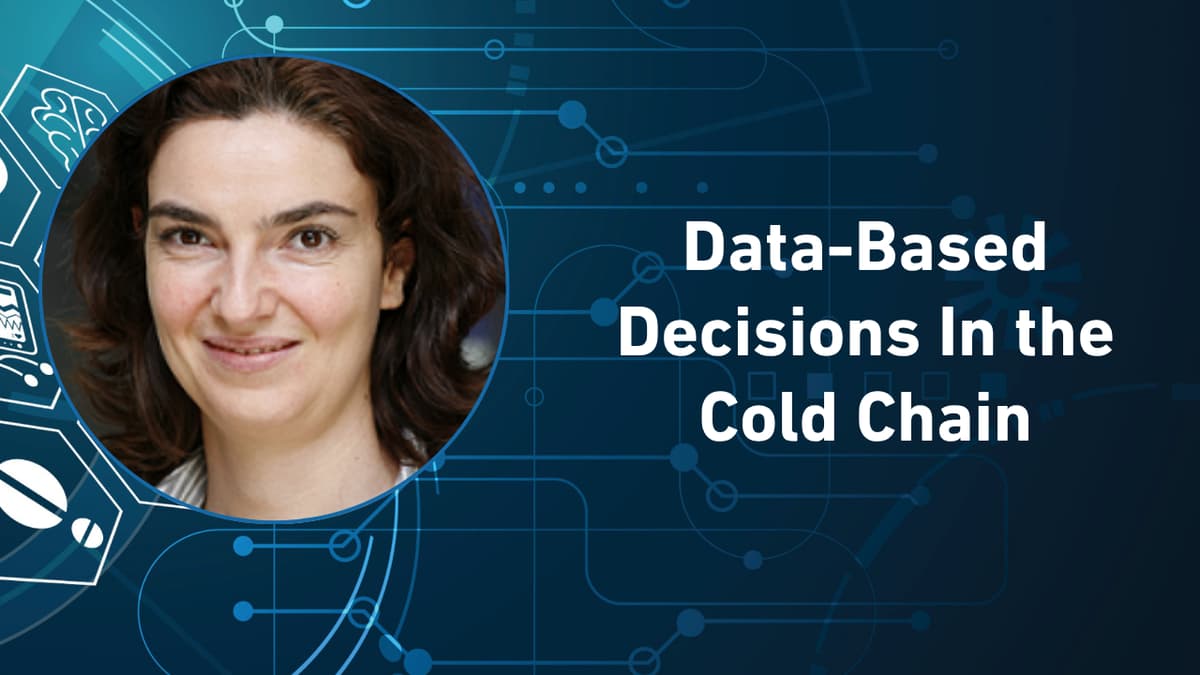
LogiPharma Europe: A New Model for Cold Chain Decision-Making
Key Takeaways
- •Roche uses data to match packaging to lane-specific thermal challenges.
- •Fragmented sensor data needs a unified contextual framework for decisions.
- •AI and digital twins will enable predictive, automated container selection.
- •Human oversight stays essential for strategic governance of decision‑intelligence.
- •Optimizing packaging cuts CO₂ emissions, lowers costs, protects biologics.
Pulse Analysis
The pharmaceutical cold‑chain is under pressure as biologics, cell and gene therapies multiply and demand tighter temperature control. Traditional reliance on static packaging specifications no longer suffices; a single temperature excursion can render a multimillion‑dollar batch unusable. Consequently, shippers are turning to sensor‑driven visibility and analytics to align packaging performance with the unique thermal profile of each route. This data‑first mindset is reshaping logistics networks, where speed of insight is becoming as critical as the physical infrastructure that moves the product.
Roche’s Raquel Vazquez argues that the bottleneck is not data availability but its integration across a fragmented ecosystem of logistics partners, sensor types and standards. By consolidating real‑time temperature, geolocation and weather forecasts into a unified data lake, and layering lane‑specific risk models, companies can calculate an “unprotected time” metric that drives packaging selection. The framework also ties product stability profiles to environmental exposure, allowing a shift from heavy active containers to lighter, more sustainable solutions when conditions permit. Early‑warning alerts and performance qualification data further tighten control.
Looking ahead, AI and digital‑twin simulations will move the cold‑chain from reactive monitoring to predictive intervention. Machine‑learning models can forecast stability budgets and automatically suggest the optimal thermal system—active, passive or hybrid—for any given shipment. While automation will handle routine decisions, human experts will still define strategic parameters and validate outcomes, preserving regulatory compliance. The payoff includes significant CO₂ reductions, lower logistics costs, and higher confidence that life‑saving medicines reach patients intact, positioning data‑centric firms at the forefront of the next wave of pharma logistics innovation.
LogiPharma Europe: A New Model for Cold Chain Decision-Making
Comments
Want to join the conversation?