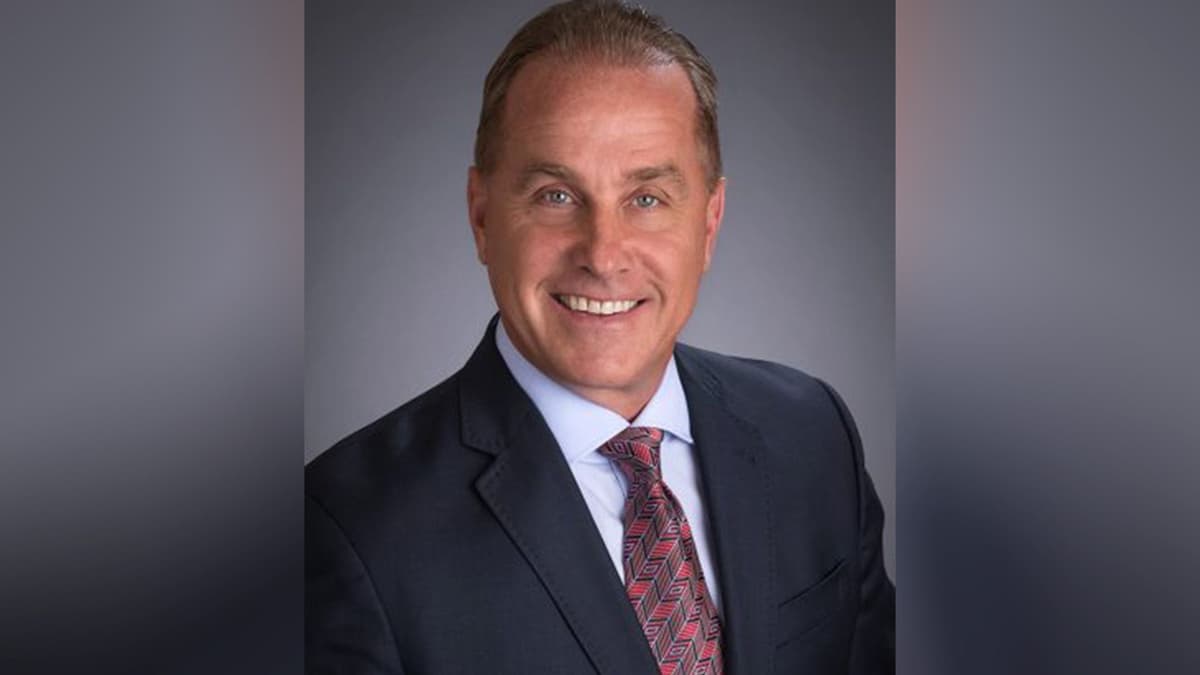
Modern Communication Between FDA, Biotech, and Investors: Q&A with David Crean
Key Takeaways
- •FDA variance up; faster approvals for favored assets, slower for others
- •Biotech firms seek early IND meetings for regulatory commitment
- •Investors demand contingent value rights and lower entry valuations
- •Companies build backup pathways in Europe/Asia‑Pacific amid US uncertainty
- •FDA AI guidance lags, creating future regulatory gaps for innovators
Pulse Analysis
The FDA’s accelerated pace and staffing turnover have created a dual‑track environment where favored assets receive rapid review while others face prolonged scrutiny. This variance erodes the predictability that biotech companies rely on for pipeline planning, prompting them to engage the agency earlier through free IND meetings and to secure written confirmations for special protocol assessments. By front‑loading regulatory dialogue, firms aim to lock in guidance before costly Phase II trials, reducing the risk of surprise CRLs and preserving development timelines.
Investors are responding to the regulatory turbulence by tightening deal terms and demanding more concrete milestones. Contingent value rights, lower entry valuations, and structured earn‑outs are becoming standard in partnership agreements, reflecting a desire to hedge against FDA delays. Capital remains available, but generalist investors are pulling back, leaving specialist funds to dominate biotech financing. Companies are also diversifying geographically, establishing parallel pathways in Europe and the Asia‑Pacific to mitigate US‑centric regulatory risk and preserve valuation.
Looking ahead, the FDA’s integration of artificial‑intelligence tools promises to reshape the approval process, yet guidance on AI‑driven submissions remains nascent. This lag creates a strategic gap for innovators seeking to leverage machine‑learning data in their dossiers. As the agency refines its AI framework, biotech firms must balance early adoption with the uncertainty of evolving regulatory expectations. Ultimately, the interplay between faster‑track initiatives, AI integration, and investor demand for certainty will dictate the next wave of drug‑development economics.
Modern Communication Between FDA, Biotech, and Investors: Q&A with David Crean
Comments
Want to join the conversation?