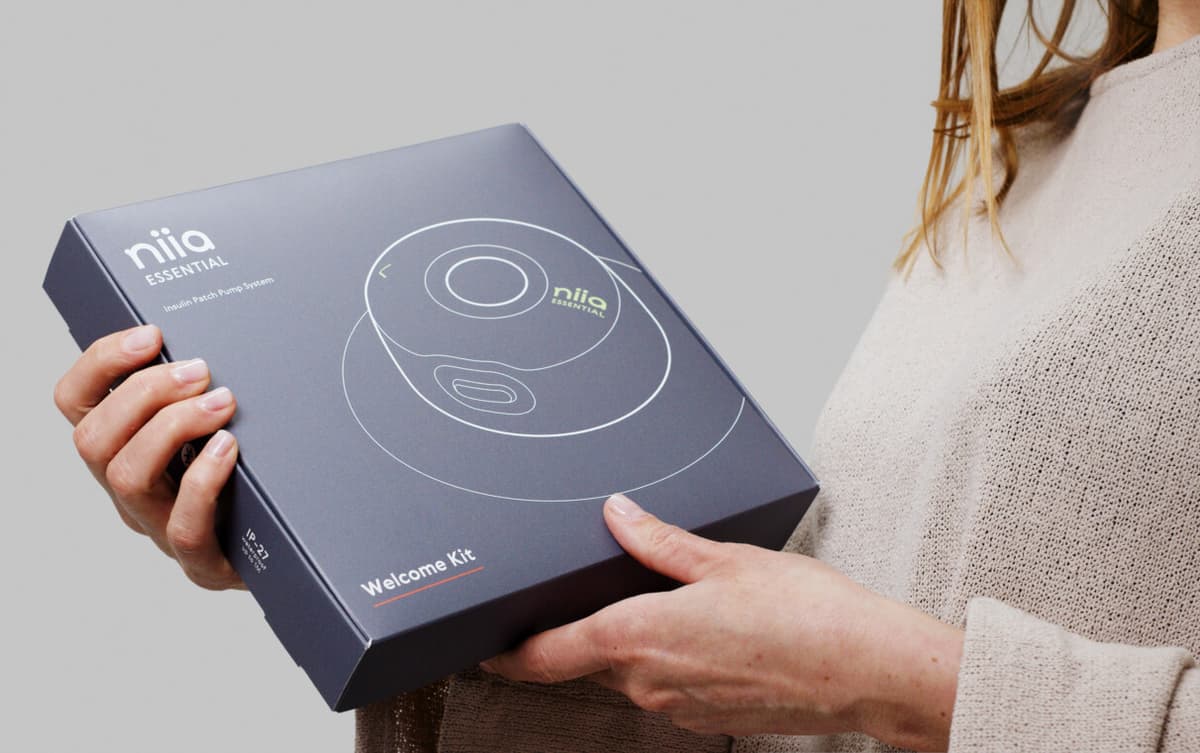
New Study Published Evaluating PharmaSens All-in-One Insulin Patch Pump
Key Takeaways
- •Study enrolled 18 adults with type 1 diabetes, 15 completed 72‑hour wear
- •Integrated device achieved 11.6% MARD versus YSI reference across 594 readings
- •83% of glucose readings fell in Zone A; 100% within Zones A‑B
- •No insulin‑delivery failures or adverse events reported in feasibility trial
- •PharmaSens to start next‑gen study with SiBionics in Q2 2026
Pulse Analysis
The diabetes technology market has been dominated by separate insulin pumps, continuous glucose monitors and cloud‑based algorithms, creating a fragmented user experience that hampers broader adoption. While automated insulin delivery (AID) systems are clinically superior to multiple daily injections, only about 13% of the 11 million intensive insulin users in the U.S. and Europe have embraced them, largely due to device complexity, Bluetooth reliability issues, and high costs. An integrated patch that houses both delivery and sensing components promises to streamline therapy, reduce the learning curve, and potentially lower the total cost of ownership for patients and payers.
PharmaSens’s feasibility trial provides the first real‑world evidence that such integration is technically viable. Across 594 paired measurements, the niia patch achieved an 11.6% mean absolute relative difference (MARD) compared with a laboratory‑grade YSI analyzer—close to the <10% benchmark that defines high‑accuracy CGM devices. Moreover, 83% of readings fell within the clinically optimal Zone A, and the study reported zero insulin‑delivery failures or adverse events, underscoring both safety and reliability. These performance metrics, while preliminary, suggest the device can meet the stringent accuracy expectations of clinicians and regulators.
Looking ahead, PharmaSens’s partnership with SiBionics to incorporate next‑generation CGM technology positions the company to iterate quickly and address any residual accuracy gaps. A second feasibility study slated for Q2 2026 will test the upgraded platform, potentially paving the way for regulatory submissions in major markets. If successful, the all‑in‑one patch could disrupt the current AID ecosystem, offering a lower‑cost, environmentally friendlier alternative that may accelerate adoption among the millions of patients still reliant on multiple devices or injections. The industry will be watching closely as the device moves from feasibility to pivotal trials and, ultimately, commercial launch.
New study published evaluating PharmaSens all-in-one insulin patch pump
Comments
Want to join the conversation?