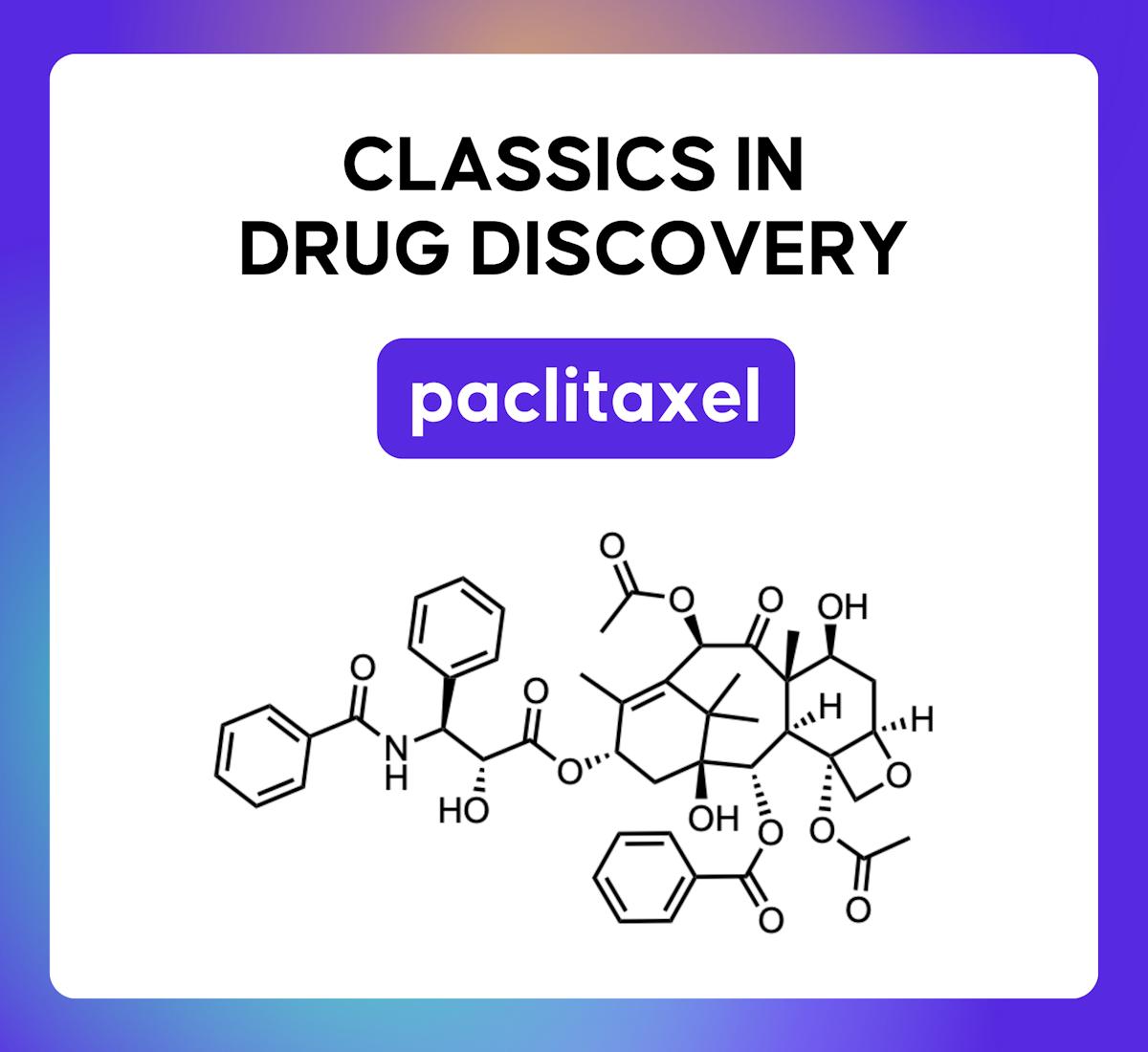

Key Takeaways
- •First FDA approval in 1992 for ovarian cancer
- •Stabilizes microtubules, halting mitosis in cancer cells
- •Semi‑synthetic route from 10‑deacetylbaccatin III solved supply issues
- •Now backbone therapy for breast, lung and multiple solid tumors
Pulse Analysis
The discovery of paclitaxel highlighted the therapeutic potential hidden in nature’s chemical diversity. Isolated from the Pacific yew (Taxus brevifolia), the compound’s unique ability to lock microtubules in place offered a novel mechanism that differed from traditional alkylating agents. Its early clinical success in ovarian cancer sparked intense interest across oncology, prompting trials that quickly expanded its indications to breast and non‑small cell lung cancers, where it now forms a core component of combination regimens.
Production challenges initially threatened paclitaxel’s commercial viability. Harvesting bark from mature yew trees yielded only a few milligrams per kilogram, raising both cost and sustainability concerns. Researchers responded by identifying 10‑deacetylbaccatin III, a more abundant precursor found in the needles of related yew species. By coupling this semi‑synthetic intermediate with a series of chemical steps, manufacturers achieved scalable, cost‑effective synthesis without depleting wild yew populations. This breakthrough not only secured a reliable supply chain but also set a precedent for leveraging semi‑synthetic routes to commercialize other complex natural products.
Today, paclitaxel remains a multi‑billion‑dollar oncology staple, influencing both clinical practice and drug‑development strategies. Its success encouraged pharmaceutical firms to invest in natural‑product libraries and to explore hybrid manufacturing models that blend biotechnological extraction with synthetic chemistry. Moreover, the drug’s legacy continues through next‑generation formulations—such as albumin‑bound paclitaxel and nanoparticle delivery systems—that aim to improve efficacy and reduce toxicity. As precision medicine advances, paclitaxel’s story serves as a reminder that breakthroughs often arise from marrying nature’s chemistry with innovative engineering.
paclitaxel
Comments
Want to join the conversation?